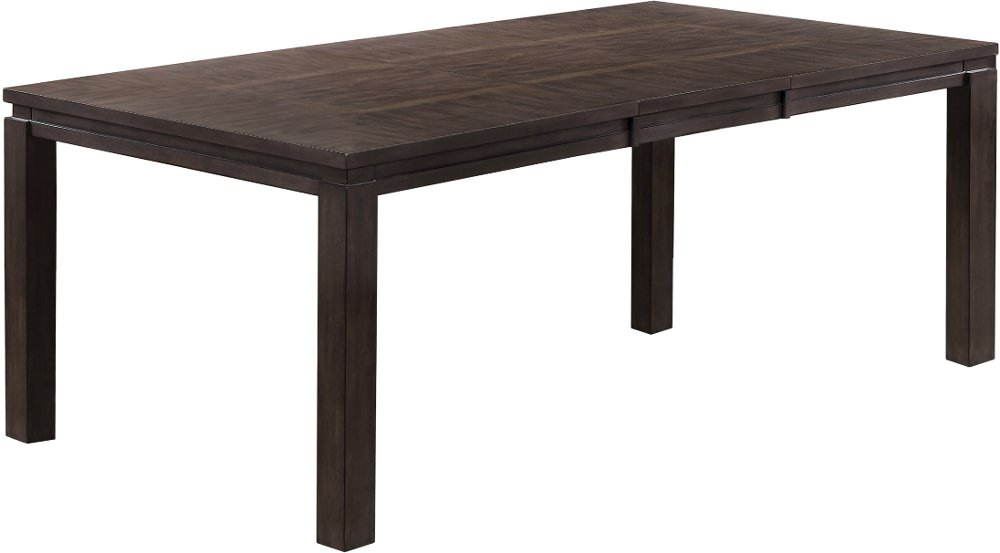
A round walnut dining table brings rich wood tones and an inviting shape to the place where everyday meals happen. Without a distinct head of the table, everyone shares the same easy connection, whether dinner means two plates of pasta or a full spread passed among friends. The curved edge softens a room filled with straight lines, from kitchen cabinets to sideboards, and makes a natural gathering spot in a breakfast nook, an apartment dining area, or a separate dining room. Walnut’s brown tones can range from lighter, honeyed shades to deep chocolate, often with subtle variations that give the surface character. That warmth works comfortably with cream upholstery, black metal, muted paint colors, and textured rugs. A streamlined round walnut dining table can suit a contemporary space, while tapered legs and a simple edge feel at home alongside midcentury-inspired furniture. A substantial pedestal or sculpted base brings a different presence, giving the table visual weight without relying on an oversized top. The right fit depends on more than diameter. A table around 42 to 48 inches across often works well for four people, though chair width, base design, and place settings all affect usable seating space. Larger diameters can accommodate more guests, but they also need more room for chairs to pull out comfortably. About 36 inches between the table edge and a wall or nearby furniture is a useful starting point; a busy walkway benefits from additional clearance. In an open kitchen, that means considering the route to the refrigerator as well as the distance to the island. A round top can make movement around corners feel easier, but its chairs still need space. Keeping those everyday paths comfortable helps the table feel like part of the room rather than an obstacle between the kitchen and the couch.
The appeal of round walnut dining tables comes partly from the wood itself and partly from how each table is built. Natural walnut often shows flowing grain, occasional knots, and differences in color between boards. Those details create a surface that feels individual rather than perfectly uniform. Solid walnut construction uses the wood through the thickness of the components identified as solid walnut, while walnut veneer uses a thin layer of real walnut over a supporting core. A well-made veneer top can deliver natural grain and a consistent surface, and an engineered core can help limit some movement caused by changes in indoor humidity. Solid wood also makes a durable dining surface when properly constructed and cared for, though it naturally expands and contracts as humidity changes. Neither construction alone tells the whole story: sturdy joinery, a stable base, and a finish suited to everyday dining matter just as much. A walnut-colored finish is different from walnut wood or walnut veneer, so material descriptions help clarify whether the brown tone comes from the wood species or an applied finish over another material. Walnut is a hardwood, but it can still dent or scratch, especially under heavy objects or sharp edges. For a table that doubles as a homework spot, a protective writing pad keeps pencil pressure from leaving marks. For regular meals, placemats provide a practical buffer between dinnerware and the tabletop. Base style deserves equal attention. A central pedestal can leave more room around the perimeter for chair placement, although a broad pedestal foot may affect where diners rest their feet. Four-legged designs have a familiar look, but the space between legs can limit how closely chairs sit together. An apron beneath the tabletop can add structure while reducing knee clearance or preventing taller chair arms from sliding underneath. These details matter most during daily use, when someone scoots closer to dinner, crosses their legs, or settles in for a long conversation after the plates are cleared.
Chairs help determine how a round walnut dining table looks and how comfortably it serves your household. A close wood-tone match creates a cohesive arrangement, while a deliberate contrast can make the tabletop’s grain stand out. Pairing the table with dark walnut dining chairs can create a rich, coordinated look, especially when the undertones feel compatible. Two finishes labeled walnut may still differ in depth, sheen, or reddish tones, so looking beyond the finish name helps keep the pairing intentional. Upholstered seats bring softness to a wood-heavy room and can make lingering at the table more comfortable. For households with frequent spills, wipeable surfaces or upholstery with clearly stated cleaning instructions can simplify everyday care. Chair proportions matter, too: wide arms and curved backs take up more space around a circular edge than compact, armless frames. Standard dining tables are commonly about 28 to 30 inches high, and many dining chairs have seats around 17 to 19 inches high, but checking the actual dimensions and clearance beneath the apron gives a better picture of the fit. An extendable round table may offer flexibility for additional guests, often becoming oval when a leaf is added; its expanded footprint needs room for both the extra seating and surrounding walkways. Whatever the configuration, simple care helps preserve the walnut surface. Wipe spills promptly with a soft cloth, follow the finish manufacturer’s cleaning directions, and dry the surface after cleaning rather than leaving moisture behind. Coasters protect against condensation, and trivets keep hot serving dishes from resting directly on the finish. Avoid abrasive scrubbers and cleaning products that aren’t recommended for the surface. Strong, prolonged sunlight can change wood color, sometimes unevenly, so placement and window coverings are worth considering. A round walnut dining table can become a familiar backdrop for quick breakfasts, shared takeout, board games, and unhurried dinners. Comfortable seating, sound construction, and a little routine care help it support all those moments while keeping its natural character at the center of the room.
Read More