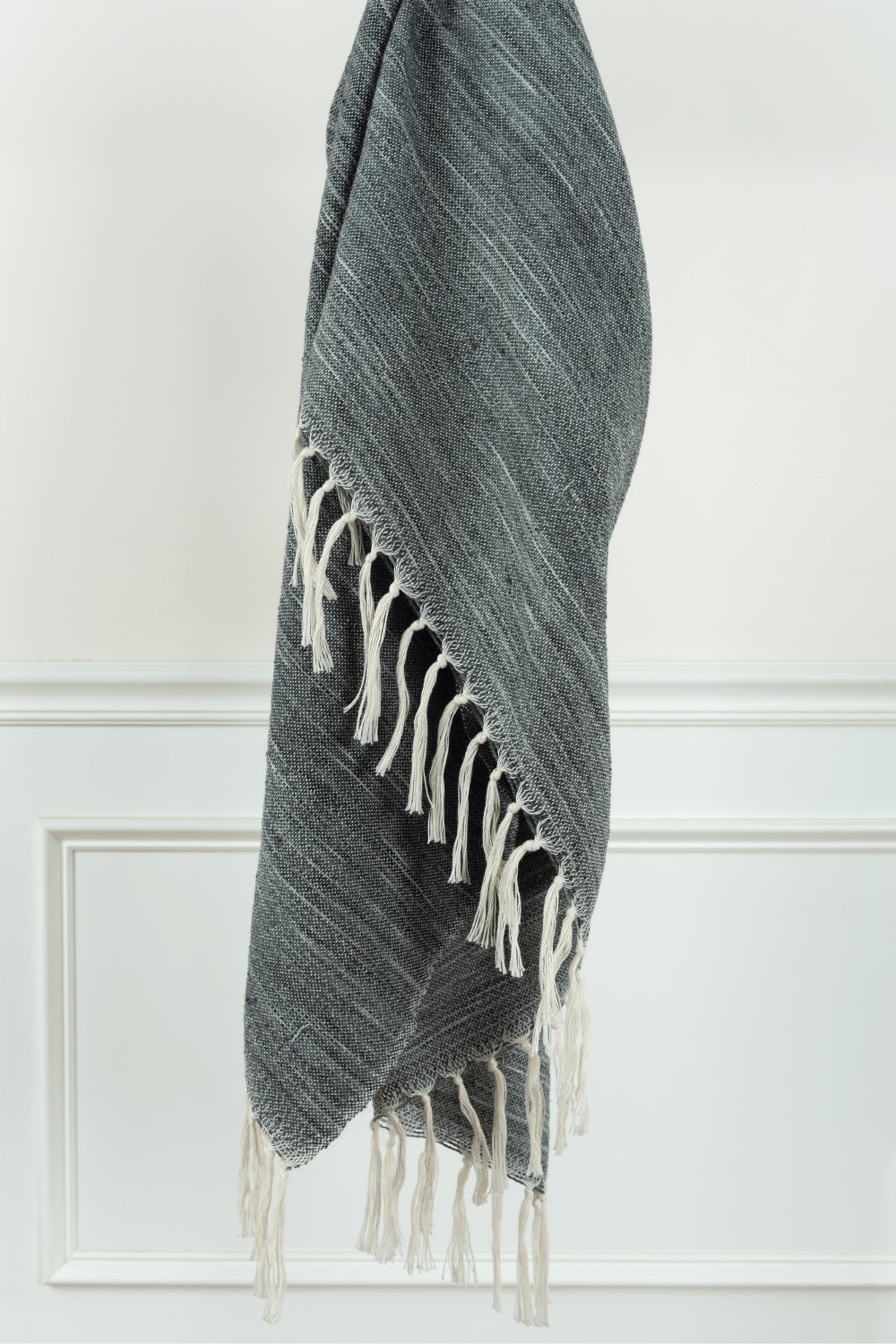
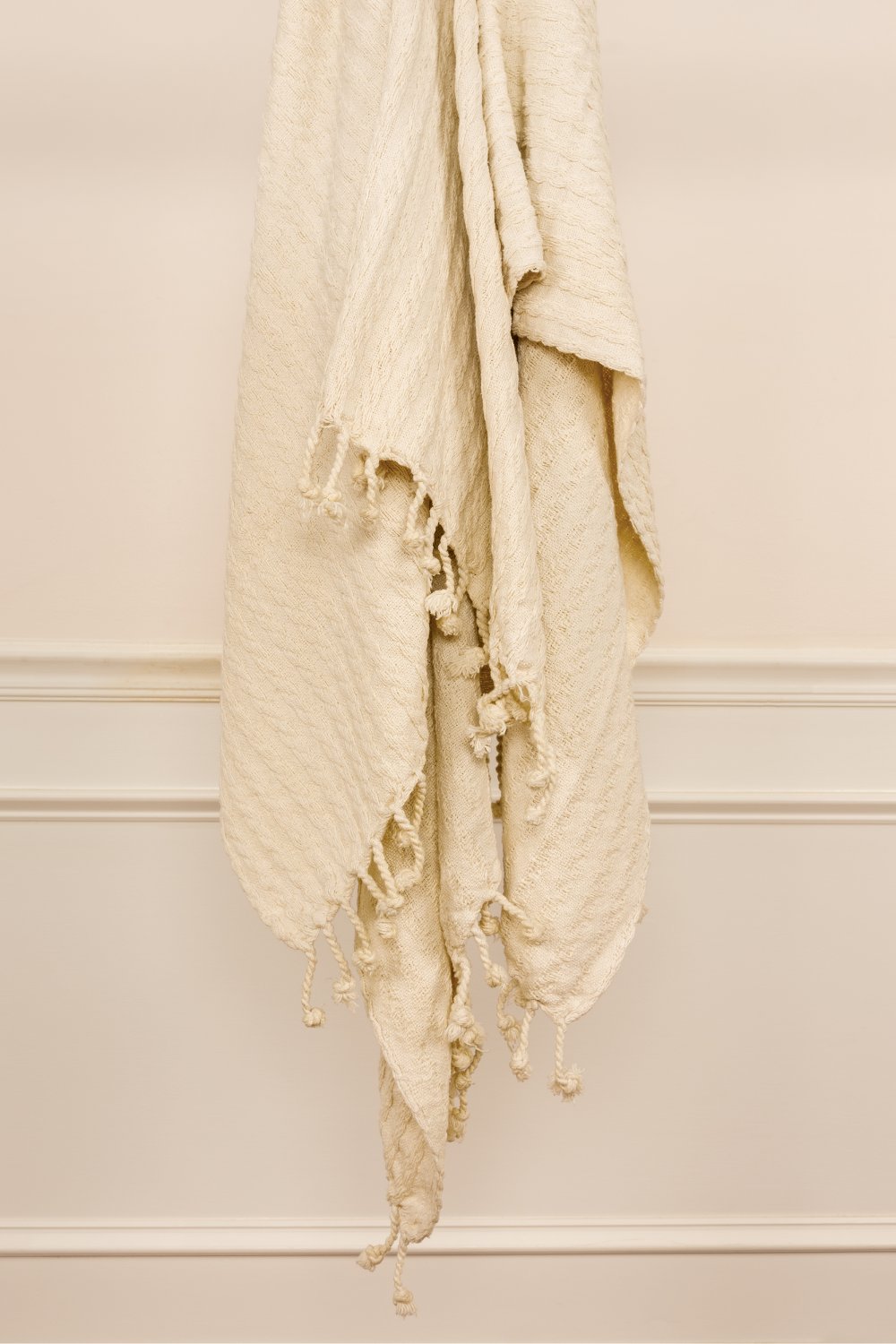
Rustic throw blankets bring easygoing texture and everyday comfort to spaces that feel collected rather than carefully matched. Their appeal often comes from simple details: a woven surface with visible variation, a soft brushed finish, a generous fringe, or a pattern that recalls familiar cabin and farmhouse textiles. Earthy shades such as oatmeal, tobacco brown, clay, charcoal, and muted green sit comfortably beside wood furniture, leather upholstery, stone accents, and natural-fiber rugs. Plaids, broad stripes, and subtle geometric designs can add definition without making a room feel busy, while solid colors let the fabric’s texture take the lead. Rustic doesn’t have to mean a room full of distressed finishes, either. A textured throw can soften the straight lines of a modern sofa or make a streamlined reading chair feel more inviting. The best fit depends as much on how you’ll use the blanket as on how it looks. For a favorite chair, a smaller throw can cover your lap without leaving excess fabric gathered on the floor. For stretching out on the sofa, check the dimensions against your height and preferred lounging position; a throw that works neatly over an armrest may not cover both shoulders and feet. Many throws measure around 50 by 60 inches, but dimensions vary, so the measurements deserve a closer look than the word “throw” alone. Larger sizes offer more room to settle in, though they also take up more space in a basket or across a seat. On a bed, a throw usually works as a decorative layer or an extra covering for one person rather than a substitute for a full-size blanket. Think about the room’s daily routine, too. A blanket that moves from a reading nook to the family sofa should feel comfortable against your skin, fold without much fuss, and suit the way the space actually gets used.
Material and construction shape that experience. Cotton throws often have a familiar, breathable feel, and their weight can range from light woven layers to substantial textured designs. Wool can offer insulating comfort and a springy feel, although softness varies with the fiber and finish; anyone sensitive to wool may prefer to feel the fabric before choosing it for direct skin contact. Acrylic and polyester can provide softness, color variety, and a wool-like or plush appearance, depending on how they’re made. Blended fibers combine different characteristics, so the fiber percentages and care label tell you more than appearance alone. A chunky knit has a different personality from a flat weave: it adds pronounced texture and may stretch or catch more easily, while a closely woven surface generally has fewer openings for jewelry, buckles, or pet claws to snag. Neither construction guarantees durability, but each suggests a different fit for daily life. A household with pets might favor a compact weave and a color that makes stray fur less noticeable. A lightly used accent chair may be a comfortable home for more delicate fringe or an open knit. Look at the edges as well as the center of the blanket. Even stitching, secure binding, and firmly attached trim are useful details when a throw will be folded, carried, and washed often. Care requirements should match your routine. Some throws allow machine washing, while others call for hand washing or professional cleaning, and even washable fabrics may need a gentle cycle or air drying. Follow the attached instructions rather than assuming that similar-looking blankets need the same treatment. Excessive heat or agitation can shrink, felt, stretch, or otherwise change certain fabrics. Deal with spills promptly according to the care directions, and avoid pulling loose yarns, which can make a small snag worse. For storage, make sure the blanket is clean and completely dry, then choose a shelf or basket that won’t catch its fibers. Those small habits help preserve the texture and shape that made the throw appealing in the first place.
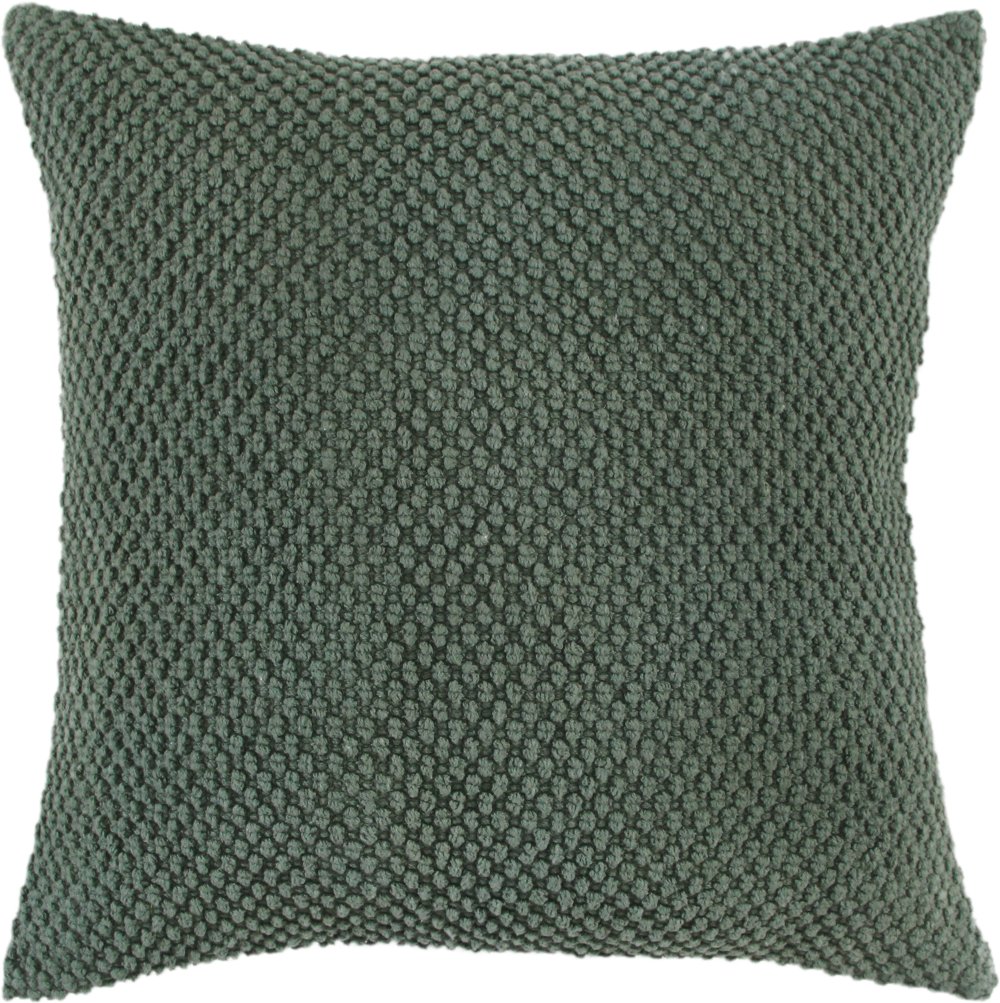
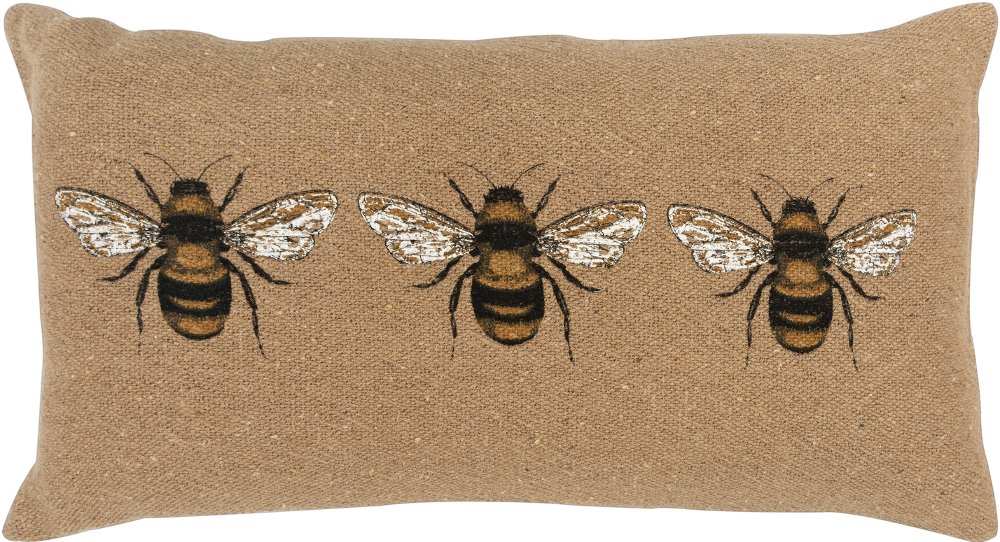
Choosing colors and patterns becomes easier when you connect the throw to something already in the room. A stripe that echoes the brown of a coffee table, a cream weave that picks up a rug’s background, or a muted rust accent beside a tan sofa can make the space feel connected without matching every surface. If the upholstery already has a strong pattern, a solid or softly mottled blanket gives the eye a place to rest. On plain upholstery, a plaid or geometric weave can become the detail that brings the seating area together. Pair a textured throw with rustic brown throw pillows for a grounded look, varying the scale of the textures so the arrangement feels comfortable rather than crowded. A smooth pillow cover beside a nubby blanket offers contrast; several equally bulky textures can overwhelm a smaller chair. Placement can stay simple. Fold the throw lengthwise over a sofa arm when you want a tidy finish, drape it across one end of a bench to soften the seat visually, or keep it loosely folded in an open basket within reach of the people who use it. Leave enough seating space clear so the blanket feels like an invitation to relax, not something that needs moving before anyone sits down. Rustic throws also make thoughtful gifts for housewarmings, weddings, or someone setting up a first apartment, especially when you consider the recipient’s habits rather than choosing on looks alone. An easy-care fabric may suit a busy household, a generous size may better serve someone who reads stretched out, and a restrained pattern can work well when you’re unsure of the room’s colors. Whether it’s intended for a shared living room, a guest space, or a personal reading corner, the right throw earns its place through useful comfort as much as appearance. A pleasing texture, practical dimensions, and manageable care needs make it a natural part of home.
Read More