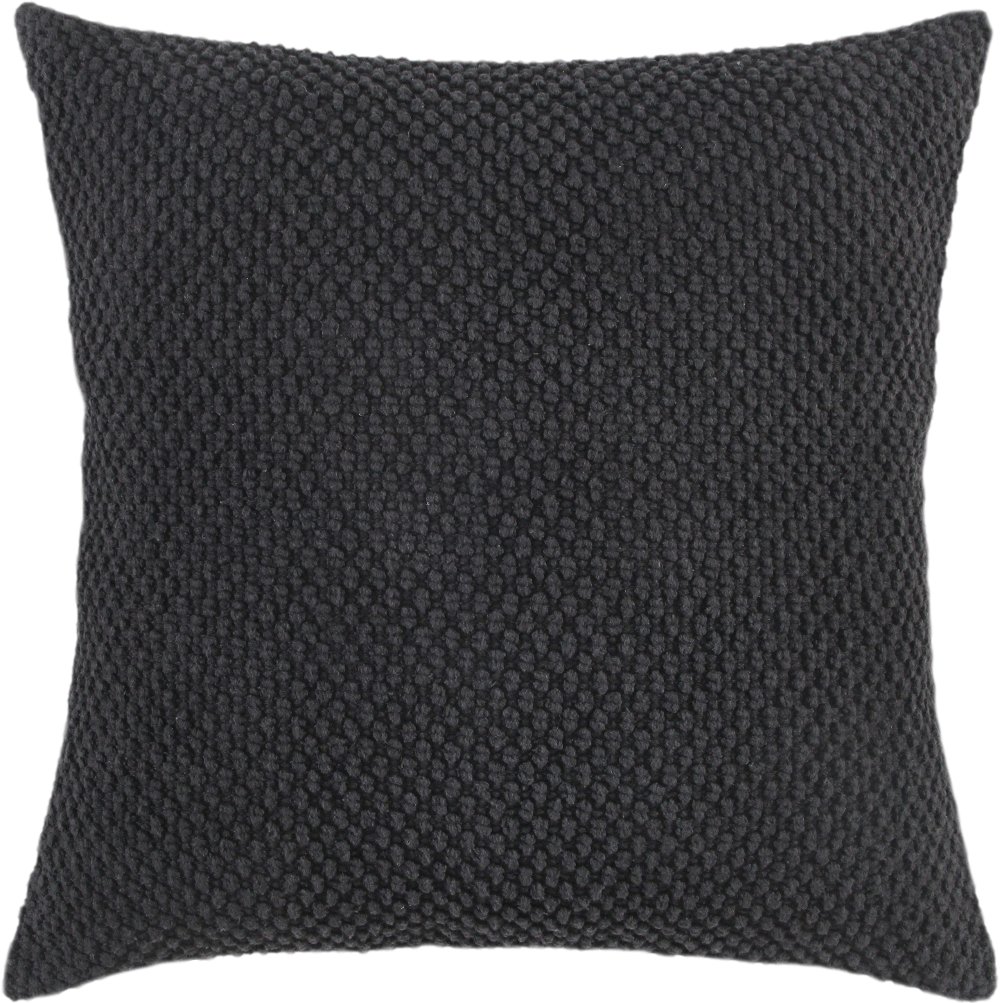
Decorative throw blankets add color, texture, and comfortable coverage to sofas, chairs, and beds without taking over the room. Smaller than most bed blankets, throws work as both everyday accents and easy-to-reach layers for reading, watching a movie, or settling into a favorite chair. A common throw blanket size is approximately 50 by 60 inches, which suits an armchair, a folded accent on a sofa, or coverage for one person’s lap and legs. Oversized throws measuring around 60 by 80 inches offer more room to stretch out and a longer drape across furniture. Dimensions vary, so the relationship between the blanket and the furniture matters more than the size name alone. A compact throw can look balanced on a small accent chair, while a deep sectional often benefits from a larger blanket that doesn’t disappear among the cushions. At the foot of a bed, the blanket’s width determines whether it rests within the mattress edges or hangs over the sides; a standard throw usually serves as an accent rather than full-bed coverage. Color and pattern bring another layer of personality. An ivory or oatmeal throw can soften the appearance of a dark sofa, while rust, olive, or navy can add depth to a neutral seating area. Stripes, checks, and geometric patterns introduce definition, especially when the surrounding upholstery is solid. In a room with patterned rugs or curtains, a solid throw with a visible weave can add interest without competing for attention. Draped over one corner of a sofa, a blanket creates a relaxed look; folded along an armrest, it feels more orderly. A throw paired with decorative white throw pillows can connect different accent colors while keeping the seating area visually calm. The most useful decorative blankets look at home on the furniture and feel inviting enough to pick up, rather than staying untouched as display pieces.
Materials and construction shape how a throw blanket feels, falls, and holds up to regular use. Cotton throws often have a breathable, familiar feel, with woven versions offering definition and knitted versions providing more stretch. A cotton waffle weave adds small pockets of texture without the bulk of a thick cable knit, making it a good fit for someone who prefers a less substantial layer. Wool offers natural insulation and a springy feel, though softness varies with the fiber and construction; some people enjoy its substantial texture, while others prefer a smoother material against bare skin. Acrylic and polyester can create soft knits, plush fleece, and other finishes, with care requirements that depend on the individual blanket. Chenille has a velvety surface and can give a solid color extra depth. Faux fur brings a fuller, plush appearance, but its pile can also make the blanket feel heavier and require more space when folded. Blended fibers may balance softness, structure, and ease of care, so fiber content is worth considering alongside the blanket’s feel. Construction makes just as much difference as material. Tight weaves and compact knits generally offer fewer places for jewelry, pet claws, or small fingers to catch than open, loose-knit designs. Chunky stitches and long fringe create a distinctive look, but they can need more careful handling in a busy family room. A neatly finished hem or securely attached trim helps a blanket keep its shape through repeated use. Texture also changes the way color appears: a brushed surface softens it, while raised stitching creates highlights and shadows. For a chair used every evening, a smooth, manageable throw may be more practical than a bulky decorative knit. For a bedroom bench or a sofa used mainly for conversation, a richly textured blanket can provide the finishing detail. Households with pets or children may place greater importance on washable materials, secure edges, and a surface that’s easy to inspect for snags.
Care requirements help determine whether a decorative throw suits your routine. The care label is the best source for washing and drying instructions because similar-looking blankets can need different treatment. Some cotton and synthetic throws allow machine washing, while wool, delicate knits, embellished fabrics, or certain faux-fur finishes may call for hand washing or professional cleaning. When machine washing is permitted, the recommended cycle, detergent, and drying method help protect the fabric’s texture and shape. High heat can shrink some fibers or affect a plush surface, and fabric softener isn’t suitable for every material. A knit blanket may need to dry flat rather than hang, since the weight of wet fibers can stretch it out. Prompt attention to spills, following the care instructions, can keep small accidents from becoming lasting marks. Between cleanings, folding a throw over an armrest or storing it in a clean basket keeps it within reach without leaving it underfoot. A basket with a smooth interior is a better match for loose knits and fringe than one with rough edges that might catch the fabric. Practical details matter when a throw becomes part of daily life: enough length to cover your feet, a weight that feels comfortable on your lap, and a fold that fits the storage space nearby. These qualities also make throw blankets thoughtful gifts for a housewarming, a wedding, or someone setting up a first apartment. A neutral shade can settle easily into an unfamiliar room, while a favorite color makes the gift feel personal. For a frequent reader, softness and lap coverage may matter most; for someone who enjoys decorating, a distinctive weave or well-chosen pattern may be the appeal. A throw for a guest room can offer visitors an extra layer they can use without rearranging the bedding. Whether it rests on a reading chair, crosses the end of a bed, or stays beside the family sofa, a decorative throw works best when its appearance, feel, and care needs fit the people who use it.
Read More