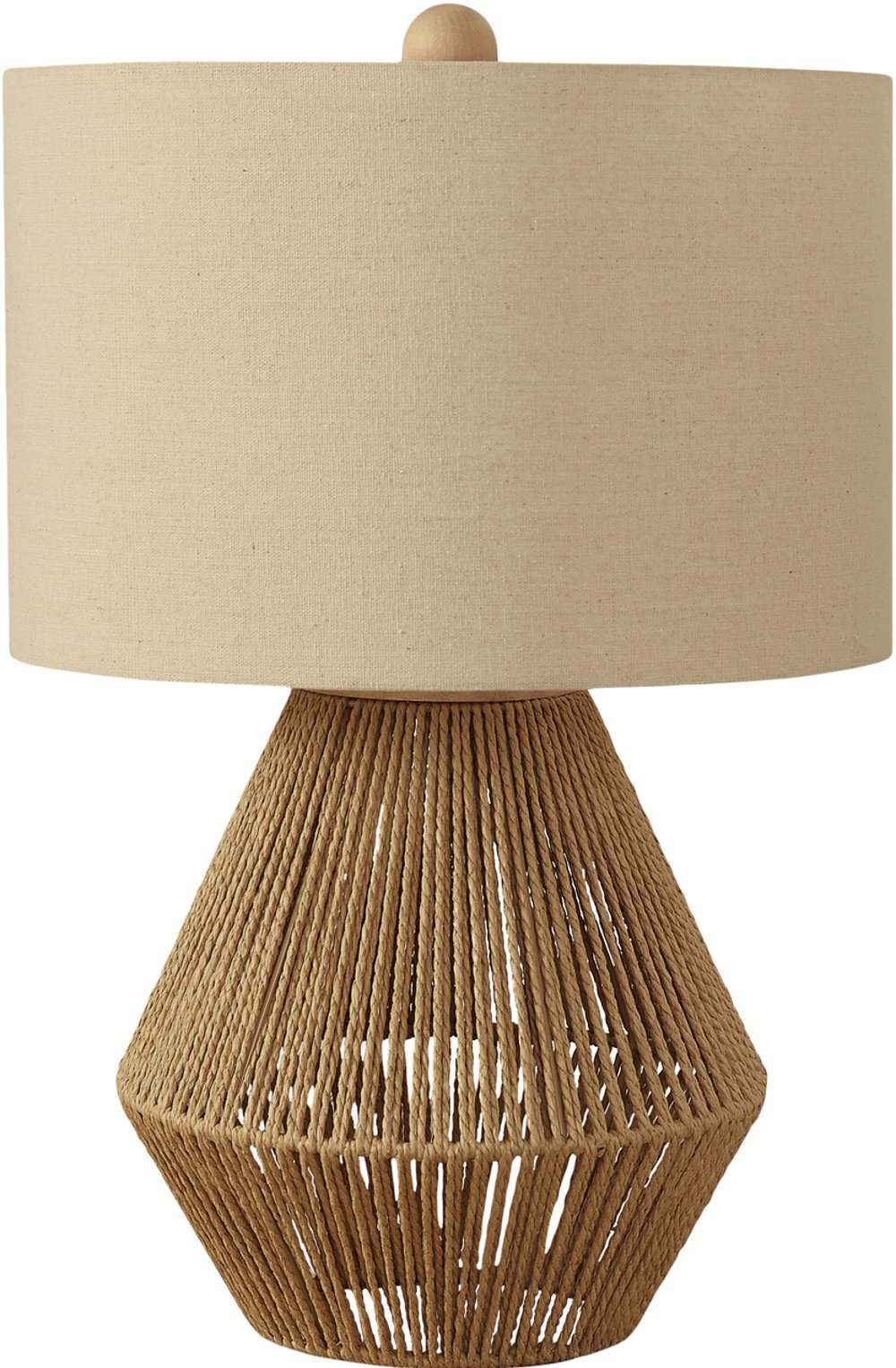
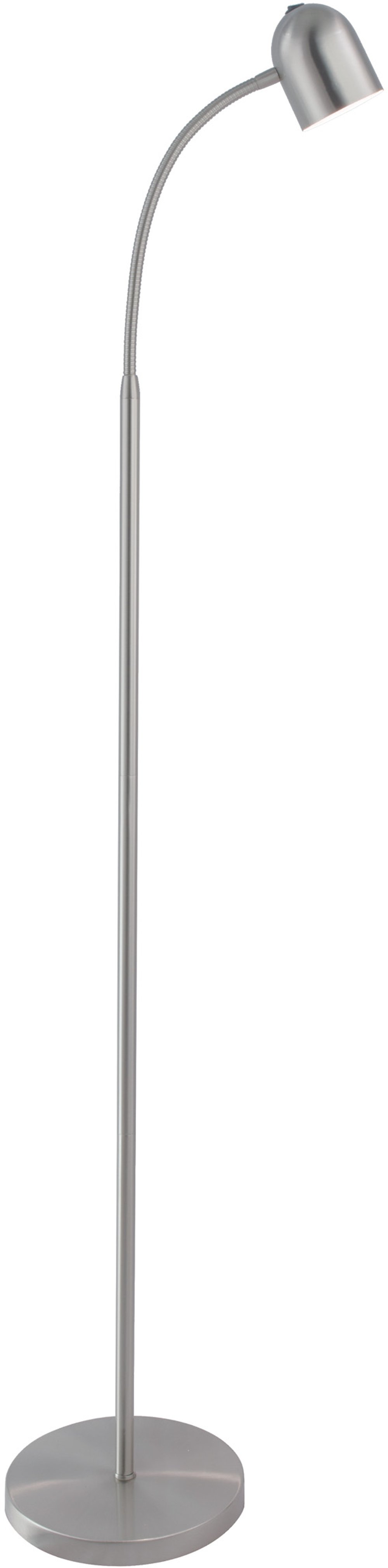
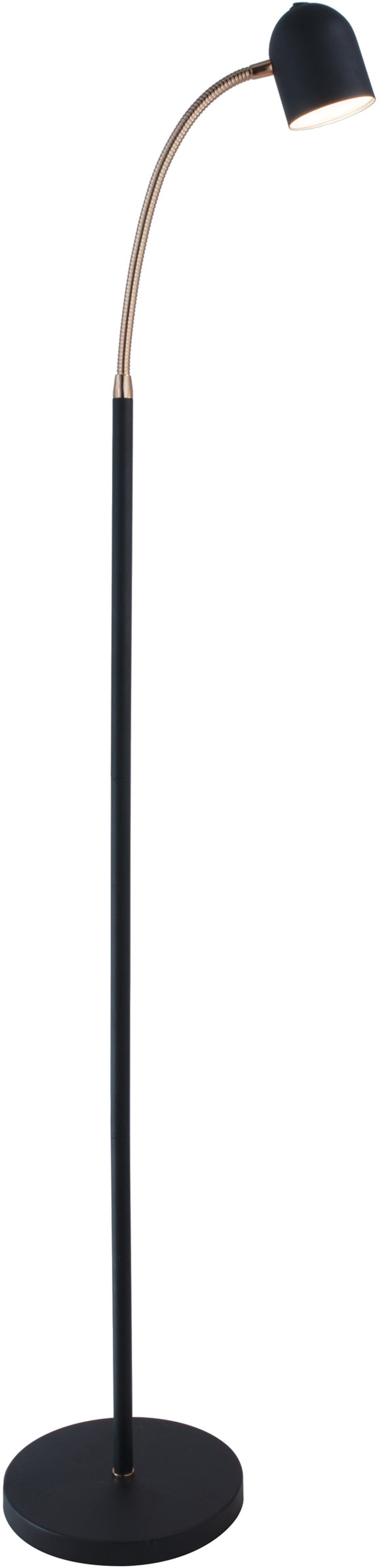
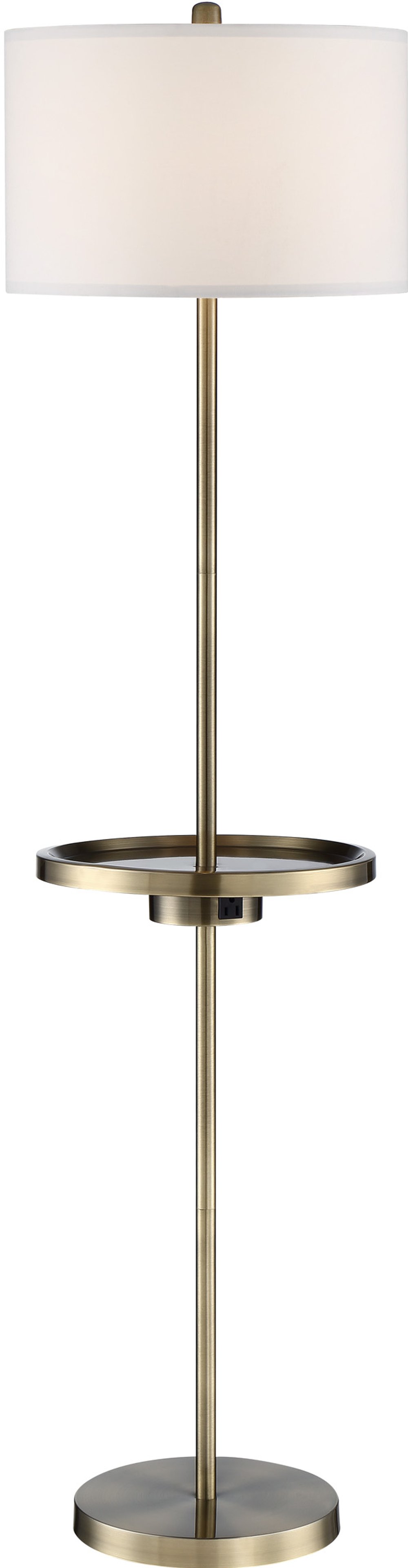
Small space lighting brings useful brightness to compact rooms without taking over the surfaces and walkways that make them comfortable. The most effective options combine a modest footprint with light directed where it’s needed: across a reading chair, onto a kitchen counter, or toward a wall that otherwise disappears into shadow. Flush mount ceiling lights, wall sconces, narrow floor lamps, and compact table lamps each serve a different purpose, so a small room doesn’t have to depend on one bright overhead fixture. Ceiling lighting provides general illumination, task lighting supports close-up activities, and accent lighting gives shelves and corners a softer presence. Together, these layers can help a studio apartment, small bedroom, or cozy living room feel balanced rather than brightly lit in the center and dim around the edges. Flush mounts sit close to the ceiling to preserve headroom, while semi-flush designs hang slightly lower and need enough clearance for the room’s ceiling height and traffic patterns. Wall sconces leave more space on nightstands and end tables for a glass of water, a book, or a charging phone. Plug-in sconces can offer flexibility where hardwiring isn’t practical, although they still need secure mounting, access to an outlet, and permission for installation when required by a lease. Slim floor lamps make use of vertical space beside a sofa or behind a chair, provided the base and shade stay clear of the walking path. Under-cabinet and shelf lighting add illumination without occupying a work surface, making them useful for compact kitchens and multipurpose storage areas. Rather than crowding a room with fixtures, small space lighting works best when each source has a clear job. A shaded lamp beside the sofa and a ceiling fixture with broad light distribution may suit a tiny sitting area better than several decorative lights that leave the reading spot dark.
Fit involves more than the width of a lamp base. Shade diameter, overall height, cord placement, and the space needed to reach a switch all affect how comfortably lighting fits into everyday life. A narrow base may look right on a petite nightstand, but an oversized shade can still overlap the bed or bump the wall. Beside a reading chair, the light should reach the page without shining directly into seated eyes; adjustable arms and pivoting shades make that positioning easier. For a desk tucked into a bedroom corner, a compact task lamp can illuminate paperwork while leaving room for a keyboard and notebook. Positioning the light to reduce hand shadows and screen reflections matters as much as its size. For workspaces that share room with daily living, Office Lighting Solutions offers another way to explore lighting suited to focused tasks. Brightness is measured in lumens, while watts describe energy use, so comparing lumen output is more useful than choosing bulbs by wattage alone. The amount of light needed depends on the room’s size, surface colors, shade material, and intended activities. A dark reading nook generally calls for more directed illumination than a small entryway used mainly for passing through. Warm white light around 2700K to 3000K often suits bedrooms and seating areas, while a more neutral white can suit detailed desk or kitchen tasks. Keeping nearby light sources similar in color temperature helps a compact room feel visually consistent. Dimmable lighting adds flexibility when the same space needs to support reading, conversation, and watching television, but the fixture, bulb, and dimmer must be compatible. Upward-directed light and softly illuminated walls can make a room feel more open by reducing heavy shadows. Mirrors and lighter finishes can help reflect that brightness, though placement should keep reflected bulbs and glare out of direct view.
Materials and construction influence both the look of small space lighting and the way it performs. Linen and other fabric shades diffuse light for a gentler glow, although darker or tightly woven fabrics may let less light through. Opal or frosted glass softens the visible light source, while clear glass leaves the bulb more exposed and can produce uncomfortable glare if placed at eye level. Metal shades direct light toward a specific area, making them useful for reading and work surfaces rather than broad, all-around illumination. Metal bases can bring a slim profile and sturdy feel, while wood and ceramic add texture to rooms with simple furnishings. Stability depends on the whole design, not just the material: a well-balanced base, secure shade attachment, and firm adjustment points are especially important where a lamp sits near an active walkway. In homes with children or pets, placement should keep cords and fixtures out of easy reach and reduce the chance of tipping. Accessible switches, touch controls, or compatible smart controls can also make a difference when reaching behind furniture is difficult. Cord length should accommodate the intended location without stretching across a doorway, and cords shouldn’t run beneath rugs. Hardwired fixtures need installation that follows the manufacturer’s directions and local electrical requirements, with a qualified electrician handling the work when appropriate. For routine care, turn lighting off, unplug portable lamps, and let bulbs cool before cleaning. A soft, dry cloth suits many bases, while shades may need gentle dusting or a manufacturer-approved cleaning method; abrasive cleaners can damage finishes. Replaceable bulbs offer straightforward maintenance, while integrated LED fixtures call for attention to the stated lifespan, warranty, and service options. Compact lighting can also make a thoughtful housewarming gift for someone furnishing a first apartment, especially when the size and style suit the recipient’s space. Whether it supports a favorite reading spot or keeps a small dining area welcoming, well-chosen lighting earns its place through comfort, proportion, and everyday usefulness.
Read More