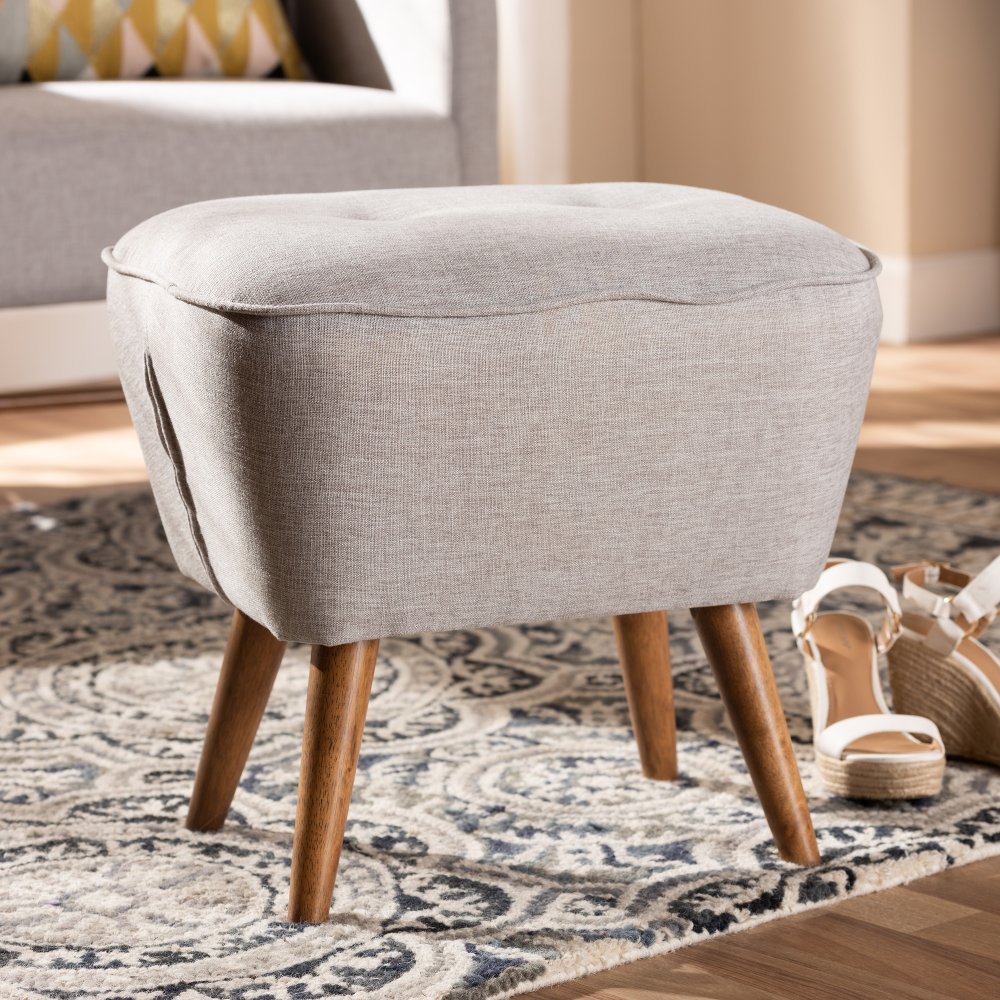
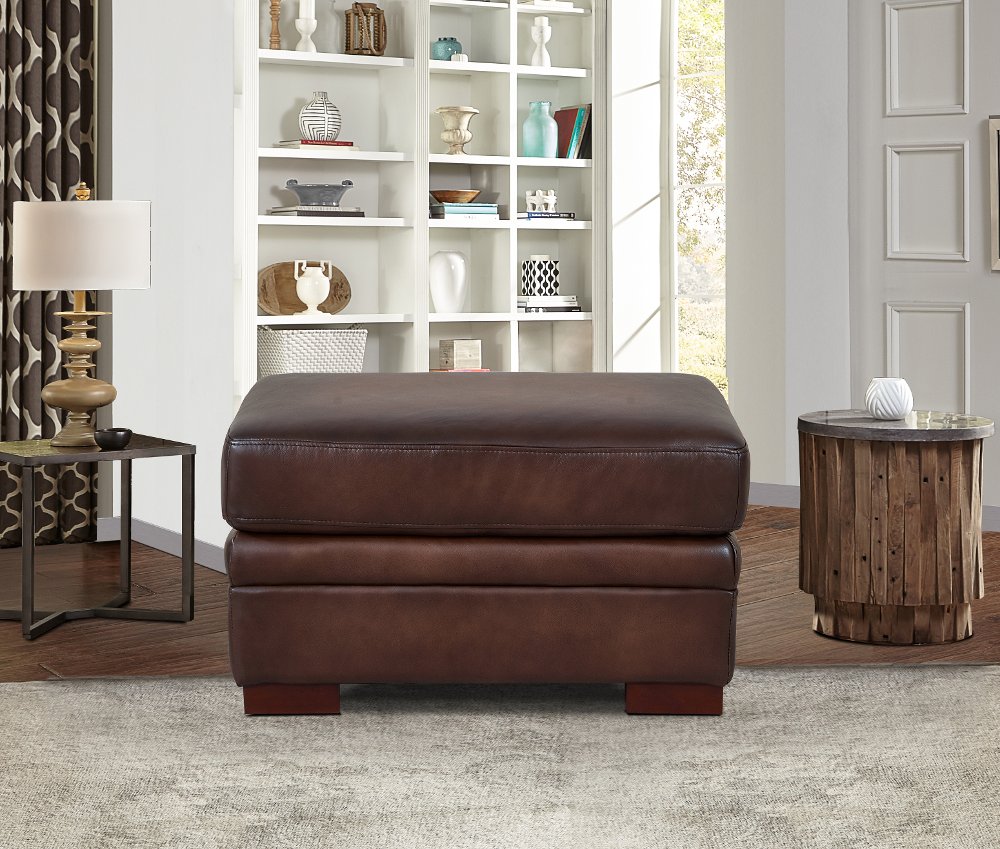
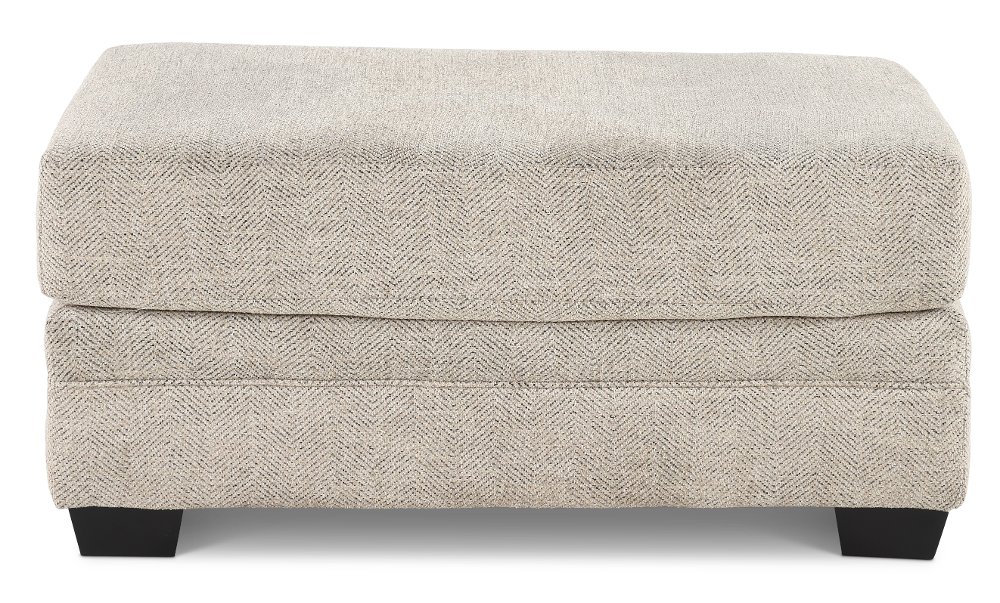
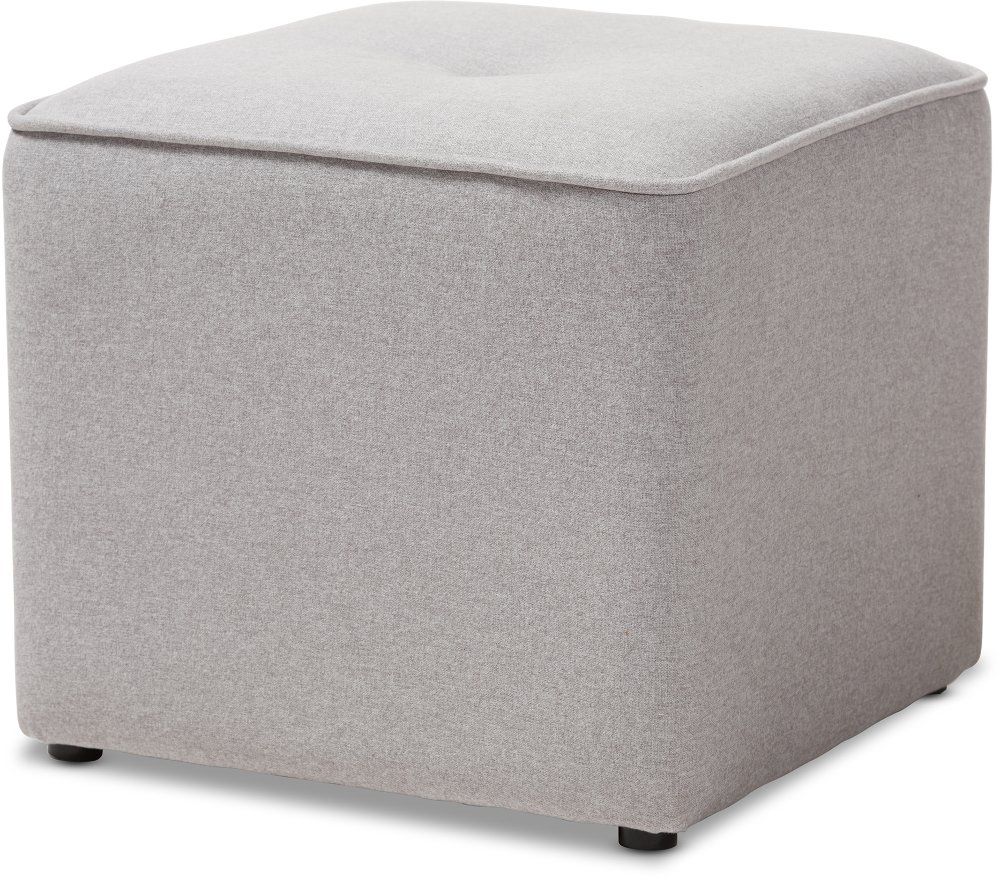
Solid ottomans bring practical comfort and a polished finishing touch to living rooms, bedrooms, family rooms, entryways, and home offices. Their clean, substantial look works with many decorating styles, while their flexible design lets you use one in more ways than a traditional footrest. Place a cushioned ottoman in front of a sofa to support tired feet after a long day, position one beside a reading chair, or use a pair to create balanced seating around a coffee table. A solid-color ottoman can quietly anchor a room when you want the rest of your furnishings to stand out, or it can add a rich layer of texture to a neutral space. Square and cube ottomans make efficient use of smaller rooms and can tuck neatly beneath a console or desk when they’re not in use. Round ottomans soften rooms with lots of straight lines, while rectangular designs can span the width of a sectional or provide generous space for stretching out. If your room has limited floor space, explore Small Ottomans for compact options that still add comfort and function. When you’re choosing a size, measure the open area around your seating and leave enough room to walk comfortably. An ottoman usually looks most intentional when its height sits close to the seat height of the nearby sofa or chair, though a slightly lower design can feel especially relaxed as a footrest.
The materials and construction of a solid ottoman help determine how it will feel, look, and perform over time. A solid wood base can provide a sturdy foundation and a warm, furniture-like appearance, especially when visible legs or a wood frame complement tables, shelving, or flooring nearby. Upholstered ottomans may feature polyester, chenille, faux leather, or performance-oriented fabrics, each offering a different combination of softness, texture, and maintenance needs. In a busy household, look for upholstery that suits everyday use and is simple to care for; homes with children, pets, or frequent guests may benefit from durable fabrics and easy-to-clean surfaces. If you plan to set trays, books, or drinks on the ottoman, a firmer, flatter top can make it a useful coffee table alternative. A soft, deeply cushioned top feels more inviting for putting your feet up, but it may be less convenient for balancing delicate items. Construction matters, too. A well-supported frame helps an ottoman hold its shape, while quality cushioning can make the difference between a piece that remains comfortable and one that quickly feels flat. Check the listed dimensions and weight capacity before using an ottoman as extra seating, particularly in a high-traffic room. Some ottomans have a hollow interior with a lift-off or hinged lid, creating hidden storage for throw blankets, toys, books, pillows, or remote controls. Storage ottomans are helpful in family rooms where small items tend to gather, while non-storage designs may offer a lighter profile and a simpler silhouette. Solid wood-based styles and upholstered styles can both be dependable choices; the right fit depends on whether you value visible natural detail, a softer appearance, concealed storage, or easy movement around the room.
Solid ottomans also make thoughtful gifts for someone settling into a new home, refreshing a guest room, or creating a more comfortable space for relaxing during the cooler months. A neutral shade can blend easily with existing furniture, making it a practical choice when you’re unsure of the recipient’s exact decorating style. For a more personal look, consider the atmosphere they enjoy at home: a textured fabric may suit a cozy reading nook, a structured faux-leather finish may complement a streamlined office or apartment, and a warm wood accent may fit a room filled with natural materials. In a bedroom, an ottoman at the foot of the bed can provide a convenient place to sit while getting ready, fold laundry, or set down a stack of extra blankets. In an entryway, a sturdy design can offer a spot to change shoes, although a narrow profile may be best for keeping the walkway open. In a nursery or playroom, a cushioned ottoman can support quiet story time and provide discreet storage for soft toys, provided the piece is used as intended and placed securely. For everyday comfort, keep the ottoman close enough to reach without crowding the seating arrangement, and use a tray when placing items on a fabric-covered top. Neutral solid colors can transition easily as your room changes with rugs, pillows, and seasonal accents, while deeper tones add visual weight and a sense of coziness. Whether you need a simple footrest, flexible extra seating, a coffee table alternative, or storage for the things that make a room feel lived-in, a solid ottoman can help your home work harder while still feeling welcoming.
Read More