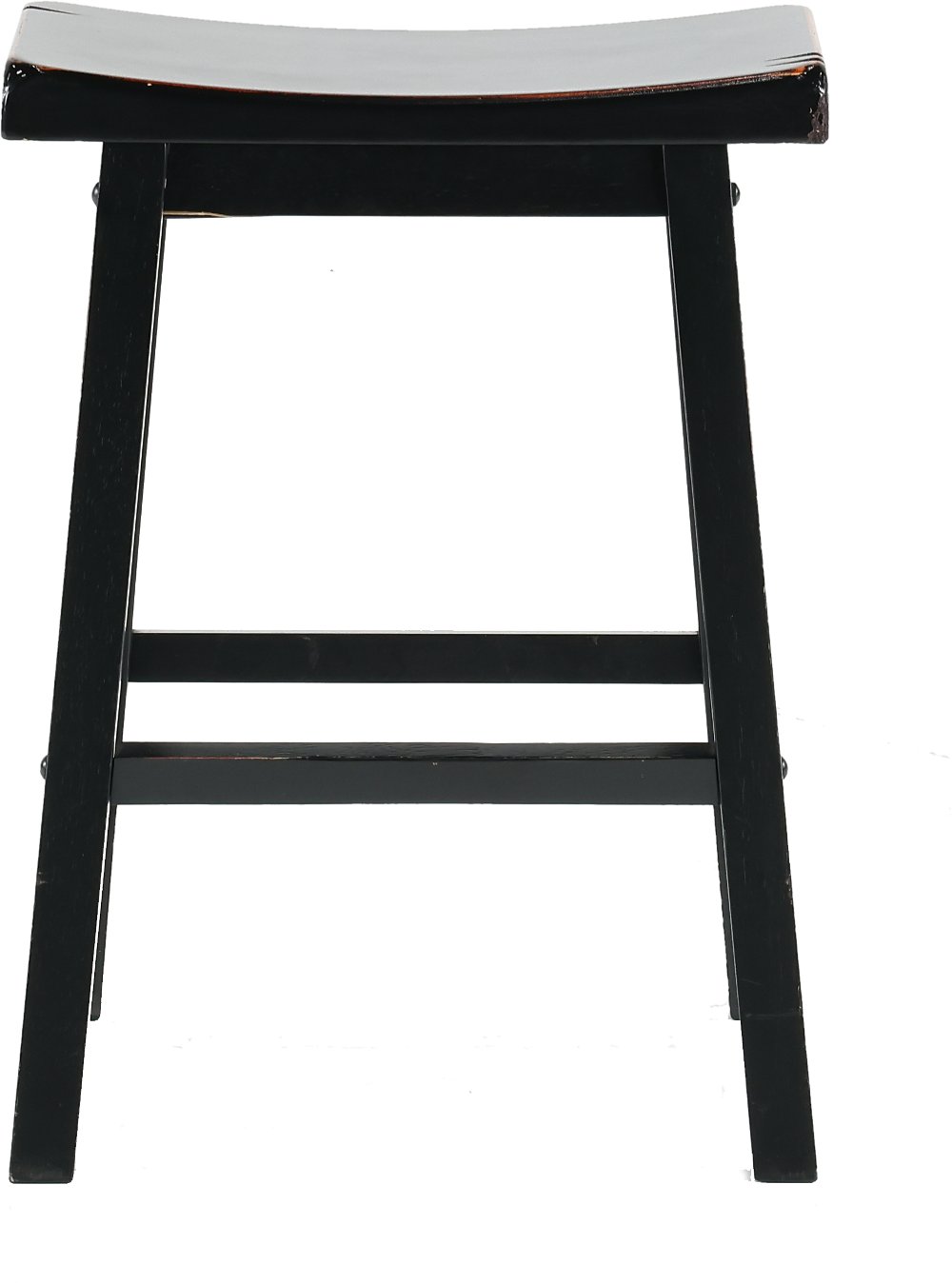
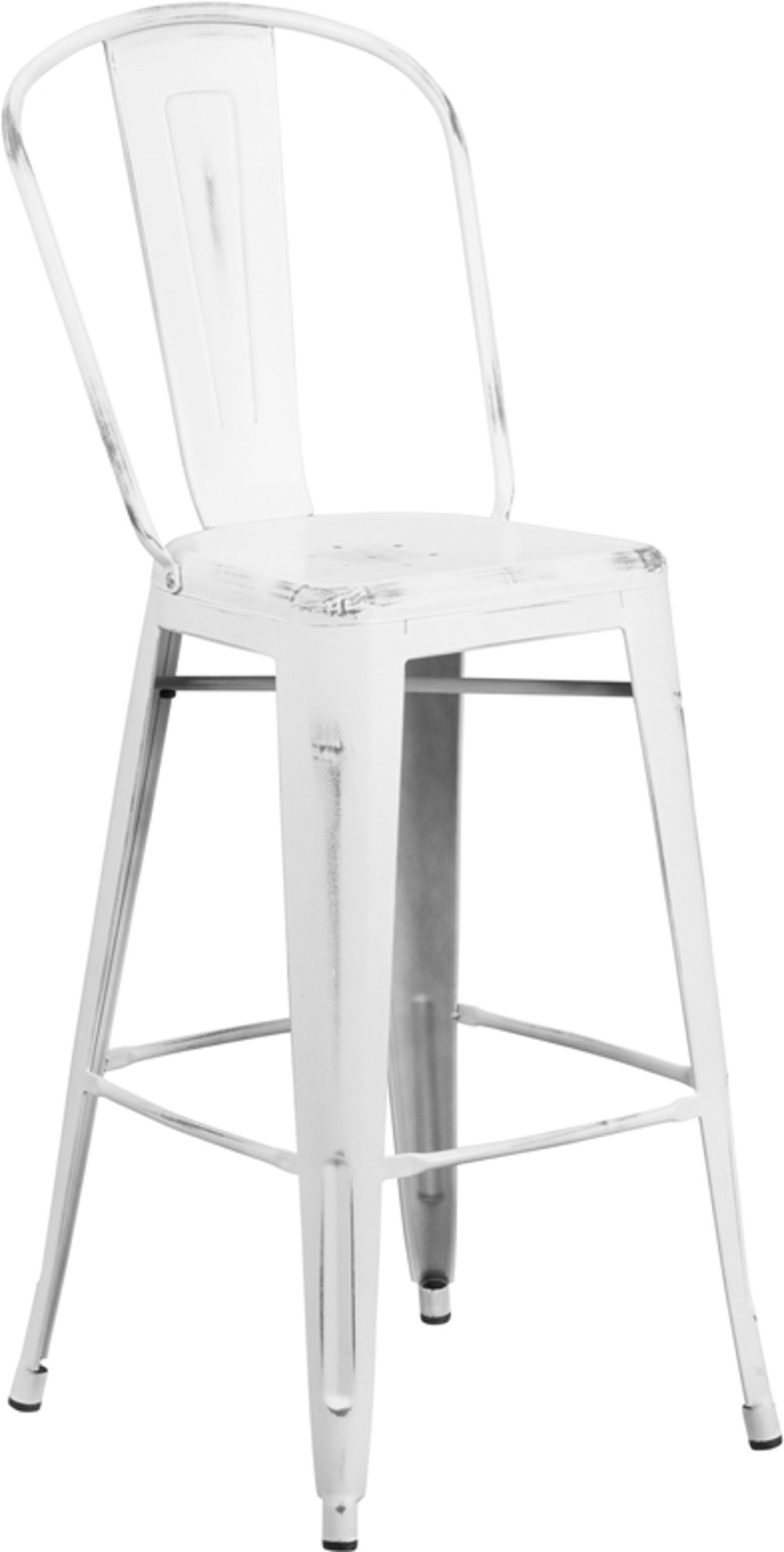
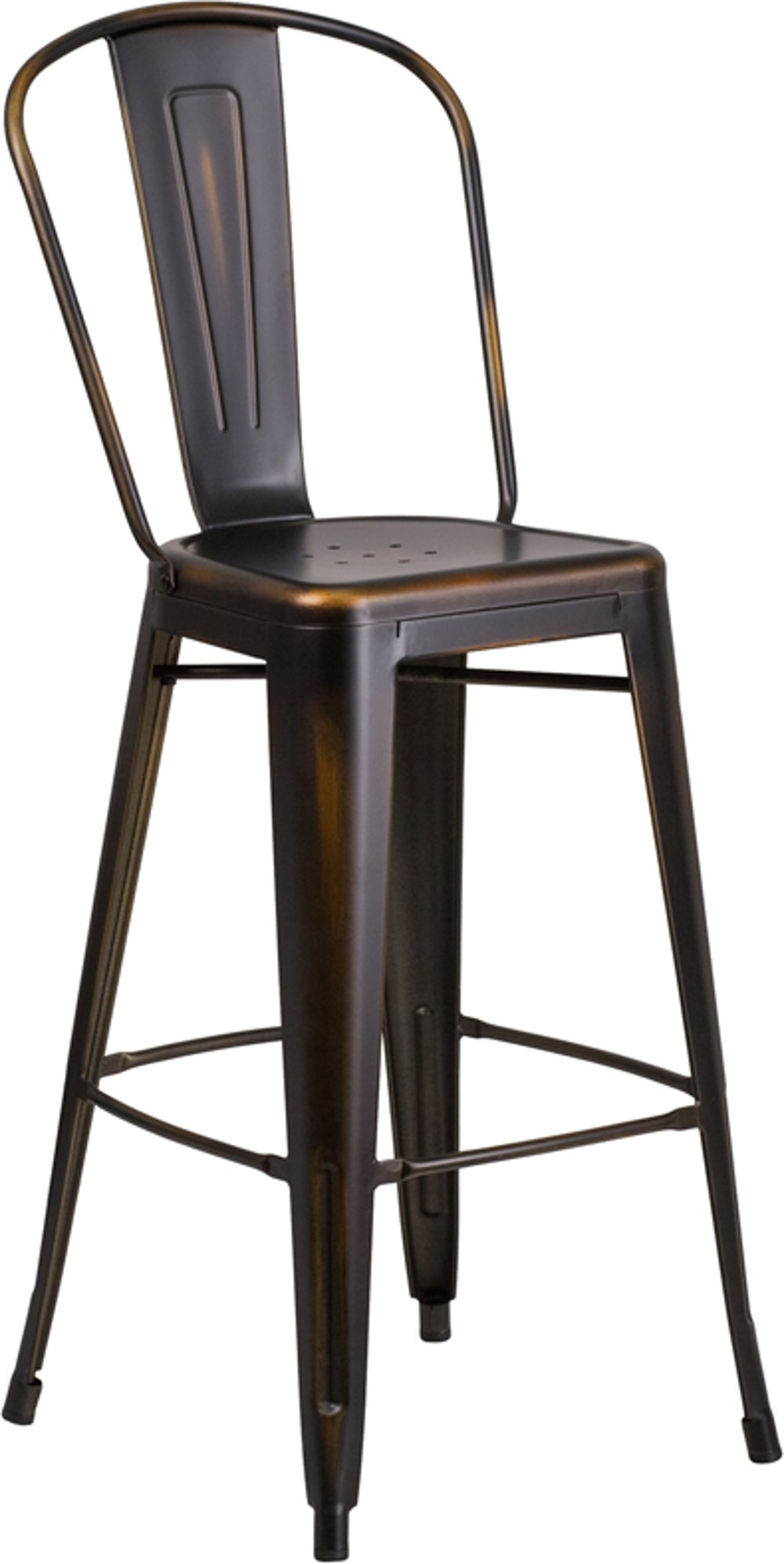
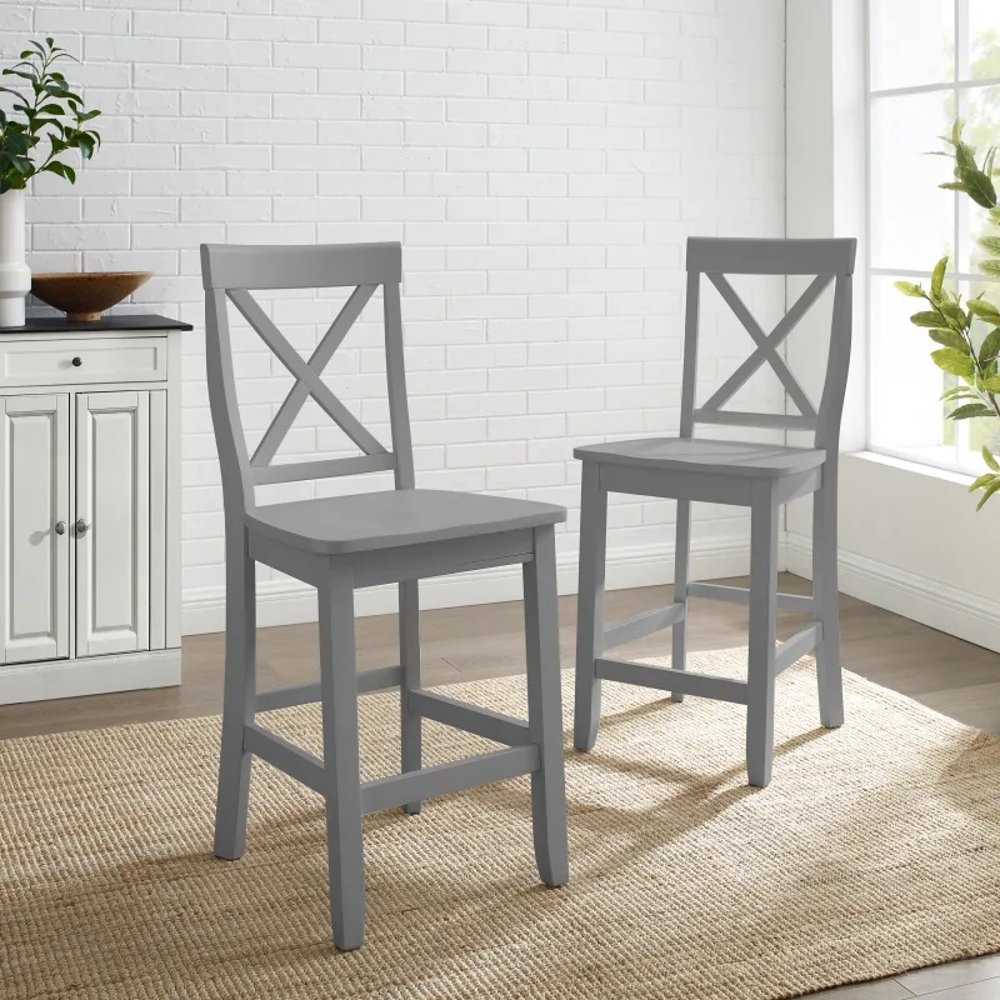
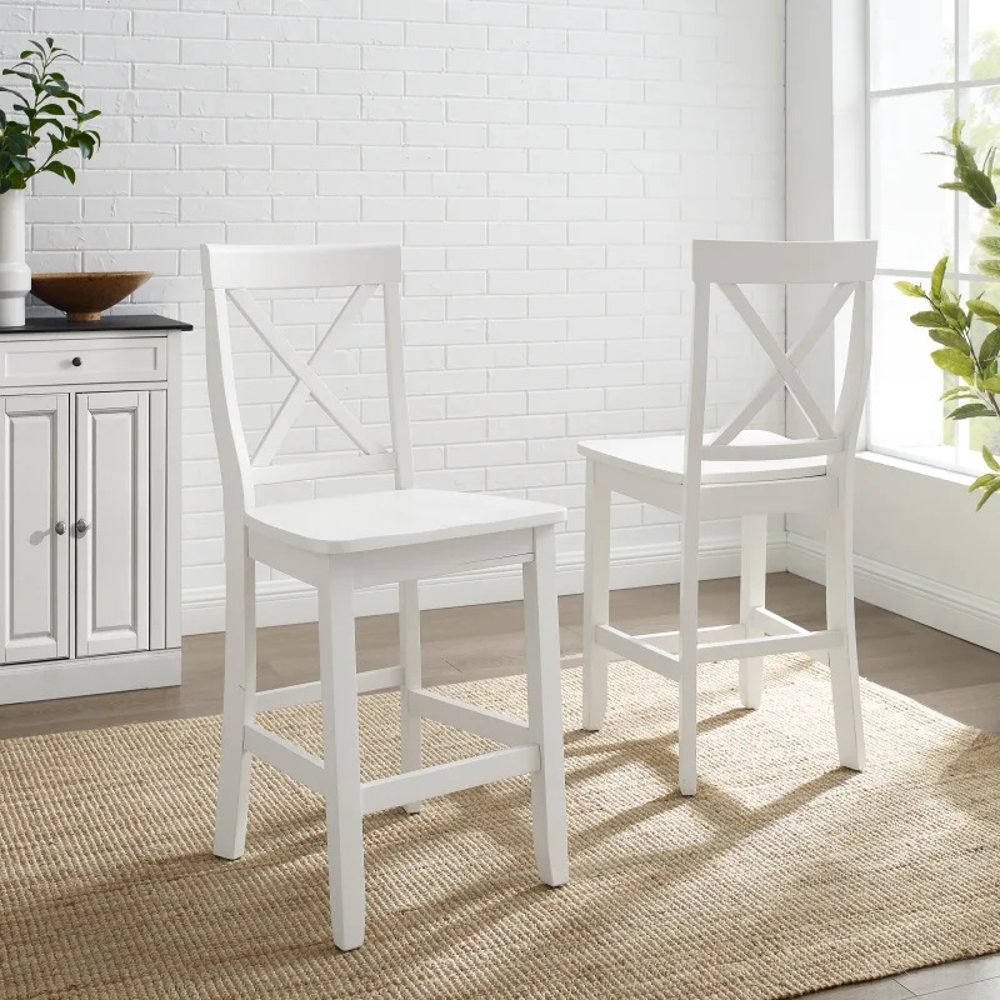
Solid wood saddle stools are backless seats with a gently curved sitting surface, typically supported by four legs and connecting stretchers. The saddle-shaped seat dips through the center, creating a more defined place to sit than a flat plank while keeping the profile simple and compact. That combination makes these stools a natural fit for kitchen islands, breakfast counters, and casual dining spaces where seating needs to tuck out of the way. Without tall backs rising above the counter, they leave sightlines open between the kitchen and the rest of the room. A pair beside a small island can create a comfortable spot for coffee and conversation; a longer row can give family and friends a place to gather while dinner comes together. Solid wood brings grain, texture, and subtle color variation to that everyday setting. Oak often shows a pronounced grain pattern, acacia can display noticeable shifts in color, and rubberwood commonly has a more understated appearance. The finish influences the final look just as much as the species. A clear or lightly tinted finish highlights the wood’s character, while a painted finish creates a more uniform color. Stained finishes can connect the stools to nearby cabinetry, a dining table, or wood flooring without requiring an exact match. Repeating a warm or cool undertone often looks more intentional than trying to make different woods appear identical. A natural wood seat can soften a kitchen with painted cabinets, while a darker finish can give a light-colored island a stronger visual anchor. Leg shape matters, too: straight, square legs tend to feel clean and structured, while gently tapered or turned details introduce a different character. When comparing materials, check descriptions for both the seat and the frame rather than relying on the finish name alone. A wood-look surface doesn’t establish solid wood construction, and solid wood furniture can include carefully joined boards rather than a single uninterrupted piece.
The right fit starts with the relationship between the stool and the surface above it. Counter-height saddle stools generally have seats around 24 to 26 inches high and commonly suit counters about 36 inches tall. Bar-height stools typically have seats around 28 to 30 inches high for surfaces about 40 to 42 inches tall. These are starting points, not substitutes for measuring the actual space. Allow roughly 10 to 12 inches between the top of the seat and the top of the counter, then check the underside for an apron, support brackets, drawers, or other features that could reduce thigh and knee room. A thick countertop or a low apron can change how comfortably a stool fits even when the overall counter height seems right. Measure from the finished floor, especially if the stools will sit on a rug or a different flooring level from the surrounding room. Seat width and spacing deserve the same attention as height. A useful starting point is about 6 inches between the edges of neighboring seats, with more room for broad seats or people who prefer extra elbow space. At a busy island, allow enough space to pull a stool out without blocking a nearby cabinet, dishwasher, or main walkway. The seat may slide beneath the counter while the legs or footrest remain outside it, so compare the full stool depth with the counter overhang. Comfort also depends on details that measurements alone won’t capture. A deeper contour, a rounded front edge, and a conveniently placed footrest can all affect how the seat feels during a meal. Backless seating works especially well for casual use, though someone who spends hours at the counter may prefer back support. Comparing shapes within the Solid Wood Kitchen Stools category can help clarify which seating style best supports the way a kitchen gets used.
Solid wood saddle stools suit households that appreciate straightforward furniture with a useful role in daily life. They can provide a perch for sorting the mail, chatting with the cook, or enjoying a quick breakfast without adding much visual weight to the room. For an open floor plan, that understated shape helps the kitchen remain connected to the dining and living areas. In a smaller home, the ability to tuck seating beneath a counter can preserve valuable floor space, provided the stool’s dimensions and the overhang work together. Durability depends on construction, finish, and use—not simply on how heavy a stool feels. Well-fitted joints, an even stance, and sturdy stretchers are useful details to evaluate, along with the manufacturer’s stated weight capacity. Footrests receive repeated pressure and contact from shoes, so their attachment and finish deserve a close look. Children may need help getting onto a taller seat, and a backless stool isn’t a substitute for age-appropriate child seating. For any household, stools belong on a level surface and should be used for sitting rather than standing or climbing. Everyday care is usually simple: remove crumbs and dust with a soft cloth, wipe spills promptly, and dry the surface after cleaning. Follow the manufacturer’s instructions before using soap, polish, or other cleaners, since finishes respond differently to cleaning products. Avoid soaking the wood or leaving a wet cloth draped over the seat. Prolonged moisture can affect the finish and wood beneath it, while abrasive pads can leave visible scratches. Felt pads or other floor protectors suited to the flooring can help reduce marks and scraping sounds; check them periodically because trapped grit can scratch floors. Inspect fasteners occasionally and tighten them as directed, without overtightening. Wood naturally responds to changes in indoor humidity, so consistent indoor conditions and distance from direct heat sources help limit unnecessary movement. With thoughtful sizing, supportive construction, and routine care, solid wood saddle stools can become an easy part of the kitchen’s rhythm, ready for everything from a quiet snack to a lively conversation across the counter.
Read More