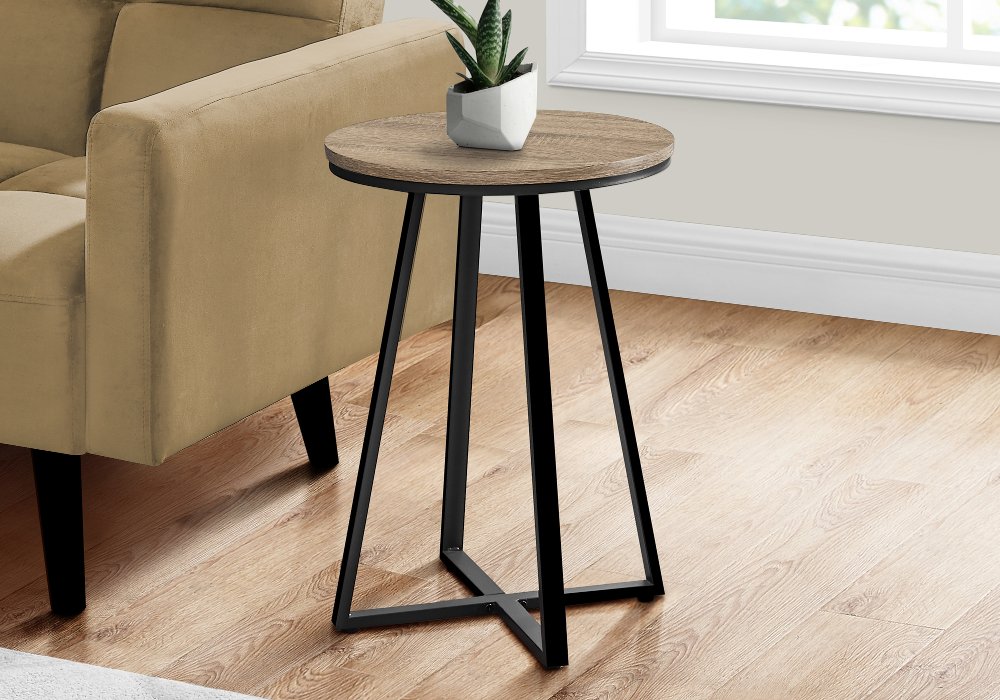
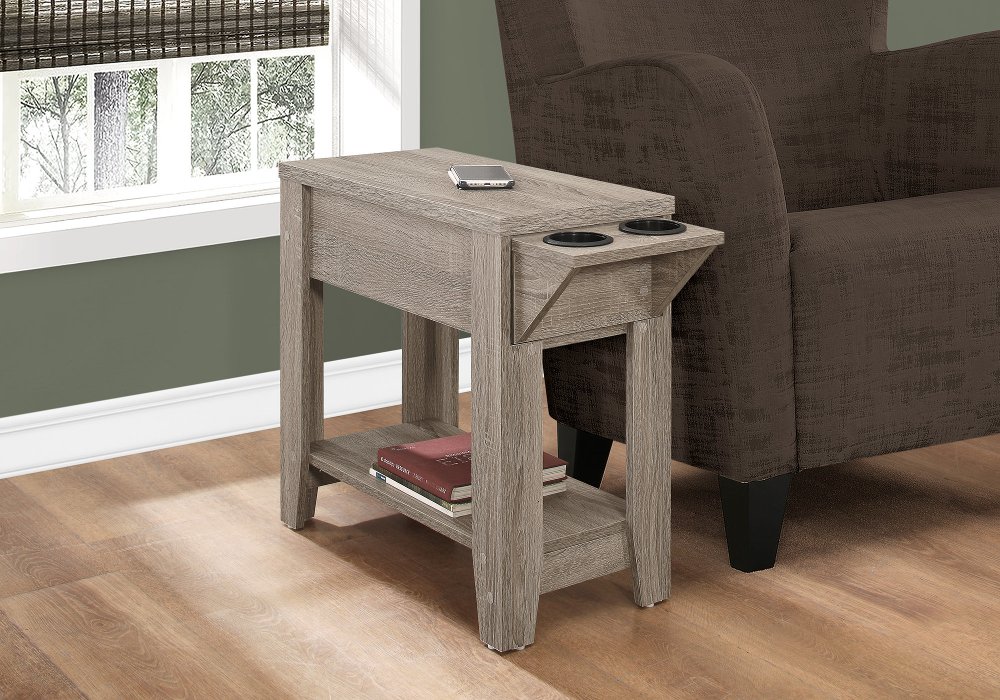
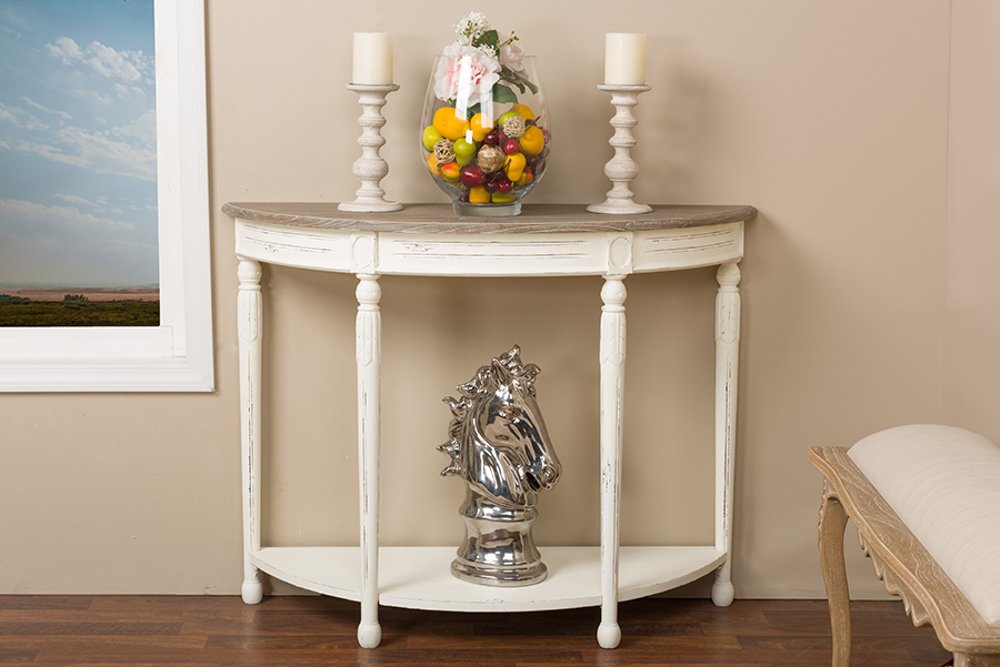
Stacking tables make it easier to give every seat a useful surface without filling your room with furniture. Often designed as coordinated tables that tuck beneath one another, they let you keep a compact arrangement beside a sofa and spread out extra surfaces when company arrives. A smaller table can hold a guest’s glass beside an accent chair, while the larger one keeps a lamp and a favorite book close to your usual spot. That flexibility works especially well in apartments, multipurpose living rooms, and sitting areas where the same floor space needs to serve several purposes. Some designs nest at staggered heights, leaving part of each tabletop visible; others are made to stack more directly. The distinction matters because it affects both the space they occupy when stored and how you’ll move them into place. Look for a design intended for the arrangement you have in mind rather than assuming any matching tables can safely sit on top of each other. Beyond their practical role, stacking tables can bring shape and texture to a room. Round tops soften a grouping of straight-lined seating, while square or rectangular tops can align neatly with a sofa arm or fit into a corner. A set with slim, open bases keeps a small seating area feeling airy. More substantial bases give the grouping a stronger visual presence and may complement a deep sofa or generously padded chairs. Matching finishes create an orderly look, but a mix of complementary tabletop materials can add interest without requiring several unrelated accent pieces. For someone furnishing a first home, these tables offer room to adjust as seating and routines change. They can also make a thoughtful housewarming gift when you know the recipient’s style and have a sense of the space. The appeal is straightforward: useful surfaces that can stay together for everyday living and move apart when there’s more happening in the room.
Materials help determine how stacking tables look, feel, and hold up to daily use. Solid wood brings natural grain and variation, along with a warm, substantial character that suits many decorating styles. Wood veneers can deliver a similarly expressive surface over an engineered core, and their durability depends on the quality of the construction, finish, and edges. Neither description alone tells the whole story, so pay attention to how the table is built and the care its surface requires. A painted or laminated top offers a different look, often with a more uniform color or pattern, while metal frames can provide a crisp outline without a bulky profile. Glass tops allow more of the floor and rug to remain visible, which can help a tightly furnished room feel less crowded, though fingerprints and smudges may need frequent attention. Stone and stone-look surfaces add visual weight and texture, but their care requirements vary considerably. Natural stone may need sealing or protection from acidic spills, while other materials have different limits for heat and cleaning products. Follow the manufacturer’s directions rather than treating every similar-looking finish the same way. For everyday use, coasters, prompt spill cleanup, and a soft cloth go a long way toward protecting a tabletop. Avoid dragging decorative bowls or rough-bottomed planters across the finish, and place a protective pad beneath objects that stay in one spot. The points where tables meet deserve attention, too: proper clearance and any supplied bumpers help keep tops, legs, and frames from rubbing as you nest them. If you expect to move the tables often, consider their weight as carefully as their appearance. A surface that feels satisfyingly substantial may be less convenient to carry across the room. Lift each table as directed instead of pulling it by the top, check fasteners periodically when applicable, and use floor protectors suited to your flooring. Those small habits help preserve both the furniture and the room around it.
A good fit starts with the full set of dimensions, not just the measurements of the largest table. Consider the width and depth of the tables when they’re tucked together, then picture the footprint when each one is in use. You’ll want room to reach a tabletop comfortably without blocking the path between the sofa, doorway, and nearby seating. Painter’s tape on the floor can help you visualize both arrangements before choosing a size. Height matters just as much: a table beside a sofa generally feels most convenient when its top sits close to the height of the arm, while a lower table may work better in front of seating. With staggered sets, each piece will offer a different reach, so think about where the smallest table will actually go. A low surface might suit a relaxed lounge chair but feel awkward beside an upright chair with high arms. Also notice how the bases interact with your room. Crossbars, wide feet, and curved supports can change where a table fits, even when the top looks small enough. Tables that slide smoothly on a hard floor may need a little more care on a thick rug, and each piece should sit level wherever you place it. For homes with children or pets, rounded corners may be worth considering, along with stable construction and an arrangement away from busy play areas. These are accent surfaces, not steps or extra seats; follow stated weight limits and keep heavier objects positioned securely. Styling can stay simple with a lamp on the largest table and enough open space to put down a cup or phone. When your layout calls for one continuous surface rather than several movable ones, long tables offer another shape to consider. Stacking tables are particularly useful when your needs change from seat to seat: a spot for a puzzle tray during a quiet evening, an extra surface for snacks with friends, or a convenient place to set reading glasses. Choose proportions and materials that support those ordinary moments, and the tables can feel like a natural part of the room rather than something you’re constantly working around.
Read More