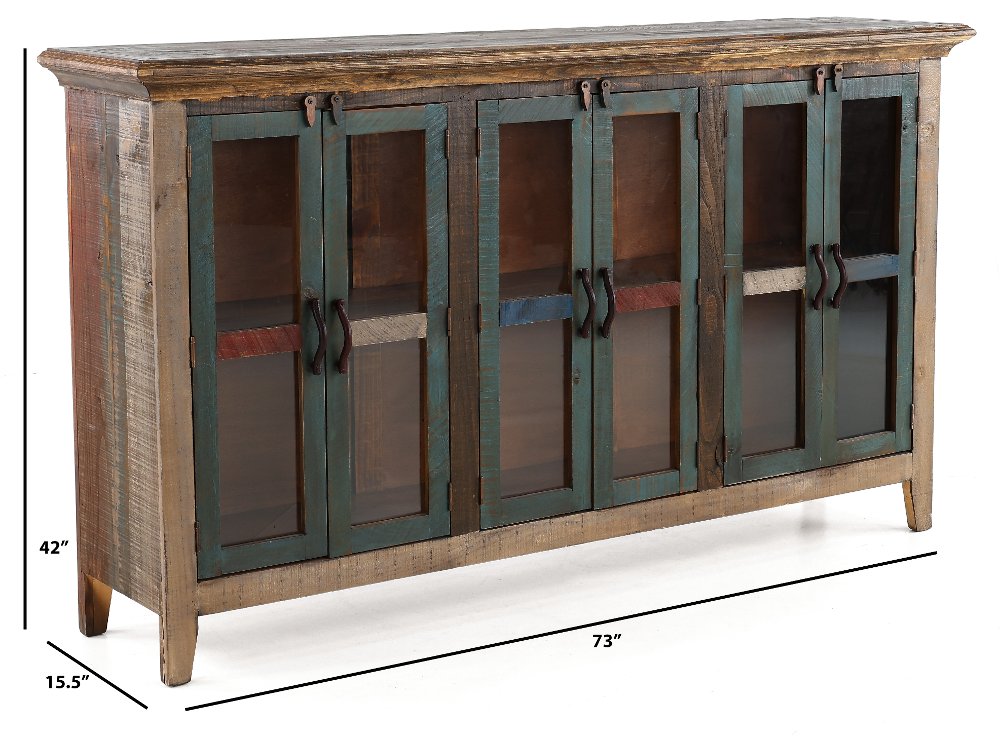
Statement console tables bring more than a place to set keys or display a lamp. They give an entryway, hallway, living room, or open-concept space a clear visual anchor. Unlike a purely practical sofa table that blends into the background, a statement console table is meant to be noticed. Its silhouette, finish, texture, or unusual base can define the mood of the room before the rest of the furniture has a chance to speak. Look for details that feel true to your home, whether that means a sculptural pedestal, a waterfall edge, a geometric framework, a ribbed surface, or a substantial top with the character of natural wood or stone. A bold console table can make a narrow hallway feel intentional instead of overlooked, or turn an empty wall behind a sofa into a finished vignette. In an entryway, it creates a welcoming landing spot for mail, a bowl for keys, and a small lamp that adds a warm glow as daylight fades during the cooler months. In a living room, it can sit behind a sofa to frame the seating area, provide space for books and collected objects, and add height without taking up the floor space of another cabinet. Before choosing a table, measure both the wall and the walking path around it. A console should leave comfortable room for people to pass, open nearby doors, and move furniture in and out without a squeeze. Check the table’s depth carefully, especially in a hallway or apartment where every inch matters, and consider the visual weight of the design as well as its measurements. A thick, monolithic base may feel beautifully grounded in a large room but overpower a smaller space, while an open metal or slender wood frame can provide the same artistic impact with a lighter appearance. If you’re drawn to dramatic pieces, let the table be the part of the room that makes the introduction, then support it with a few quieter furnishings.
The wall above a statement console table is part of the arrangement, so plan the two surfaces together. A large mirror can reflect light and make an entry feel more spacious, while oversized abstract art brings color and movement to a living room or dining area. A pair of framed prints, a textured wall hanging, or a round piece can also create a strong anchor when its proportions complement the table below. A useful rule is to let the art or mirror span a meaningful portion of the console’s width without extending so far that the arrangement feels crowded. From there, build the surface with contrasting heights. A tall sculptural vase or lamp can stand beside a low tray, a stack of books, or a small bowl, creating the relaxed rhythm that makes a display feel collected rather than arranged all at once. Keep enough of the tabletop visible to appreciate the table’s finish and distinctive structure. Statement furniture needs breathing room; covering every inch with accessories can hide the very details that made the piece appealing. Choose a small group of objects with different shapes and textures instead of many items that compete for attention. A stone-like vessel beside warm wood, a softly glowing lamp near polished metal, or a woven accent paired with smooth glass can add depth without making the space feel busy. Pay attention to daily life, too. An entry console may need a durable surface and easy-to-clean finish if it will hold grocery bags, school papers, or the steady stream of things that come through the door. A table behind a sofa should be stable and appropriately sized so lamps, décor, or charging accessories remain secure. If the console will support a television or electronics, confirm its weight capacity, cable-management options, and ventilation needs before making a decision. These practical details matter because the best-looking room is one that still works when the coats come off, the lights are turned on, and everyone settles in for the evening.
Statement console tables suit a wide range of homes and personal styles, from a clean modern interior that benefits from one expressive shape to a layered, traditional room that welcomes an unexpected material or dramatic finish. A darker table can add definition against a pale wall, and Black Console Tables can create a grounding contrast beneath bright artwork, warm wood tones, or soft upholstery. A natural finish may bring an organic note to a room filled with stone, glass, and metal, while a sculptural form can add personality to a space that feels a little too uniform. These tables are especially helpful in homes with open floor plans because they can visually separate areas without blocking light or conversation. Place one behind a sofa to distinguish the living room from a walkway, or use one along a broad dining room wall to display serving pieces and seasonal accents. During early fall and the cooler months, a console can hold a lamp, a bowl of pinecones, a vase of branches, or a few favorite objects that make coming home feel inviting without tying the room to a single holiday. It can also make a thoughtful housewarming or wedding gift when you know the recipient’s general style and available space; a well-chosen console is useful in a first apartment, a growing family home, or a newly refreshed guest room. Because statement designs carry so much presence, consider the recipient’s room size, color palette, and decorating habits before giving one as a gift. Whether you’re furnishing a new entryway, refreshing a living room, or adding a finishing layer to a hallway, choose a console that balances beauty with the way you actually move through your home. The right piece should catch the eye when guests arrive, offer practical support when the day gets busy, and still feel like it belongs when the room is quiet.
Read More