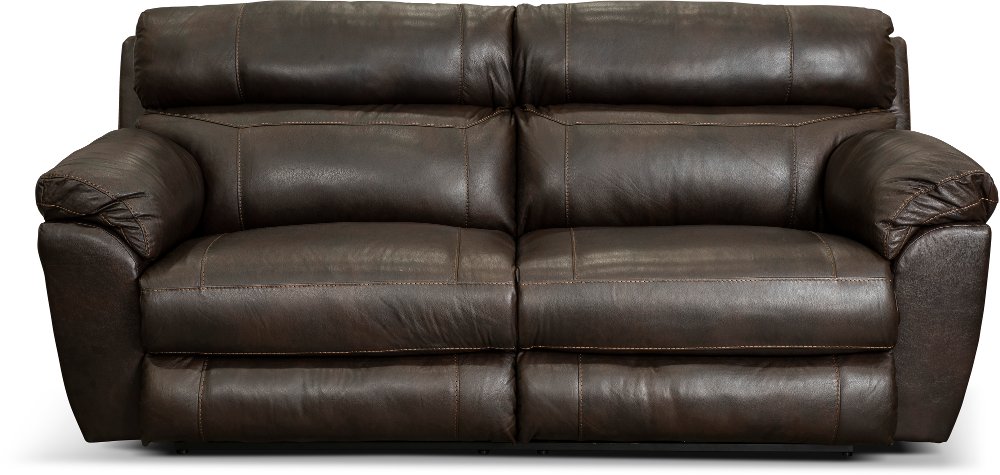
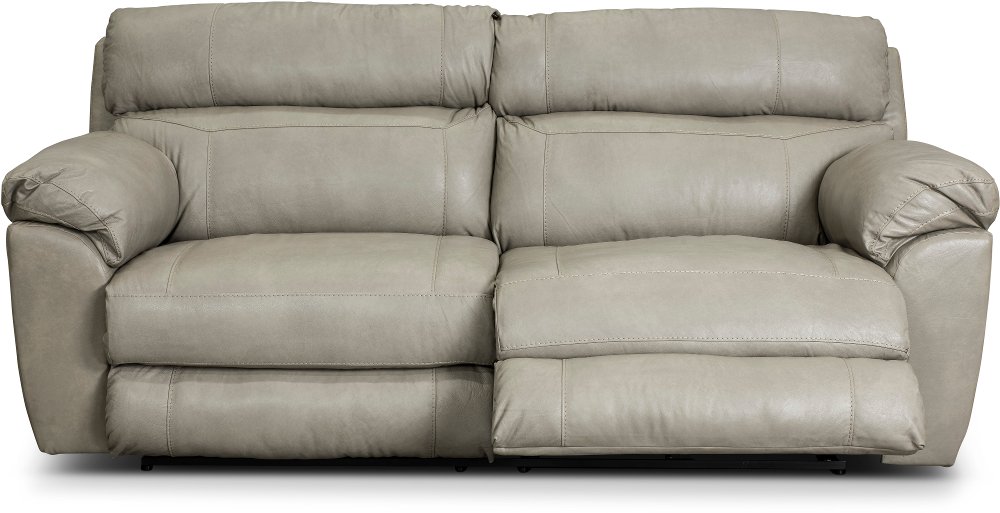
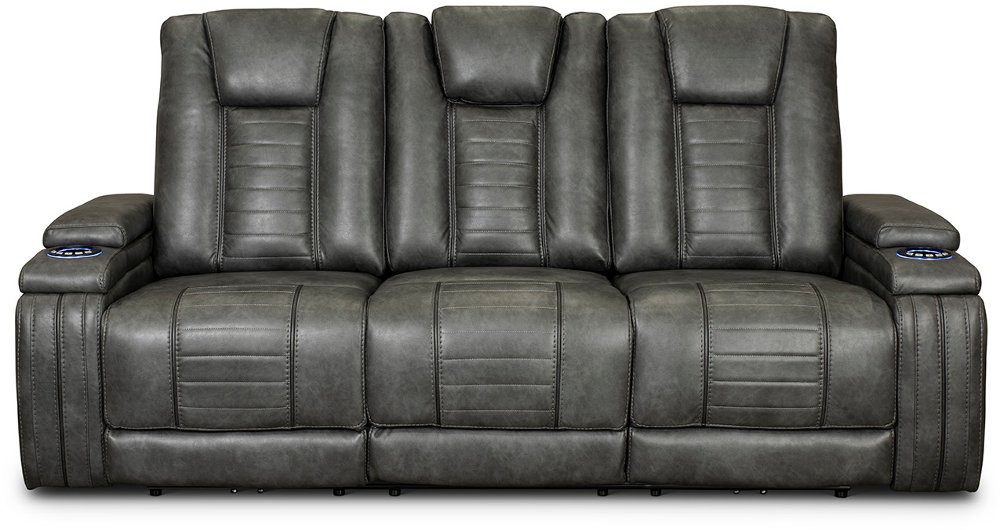
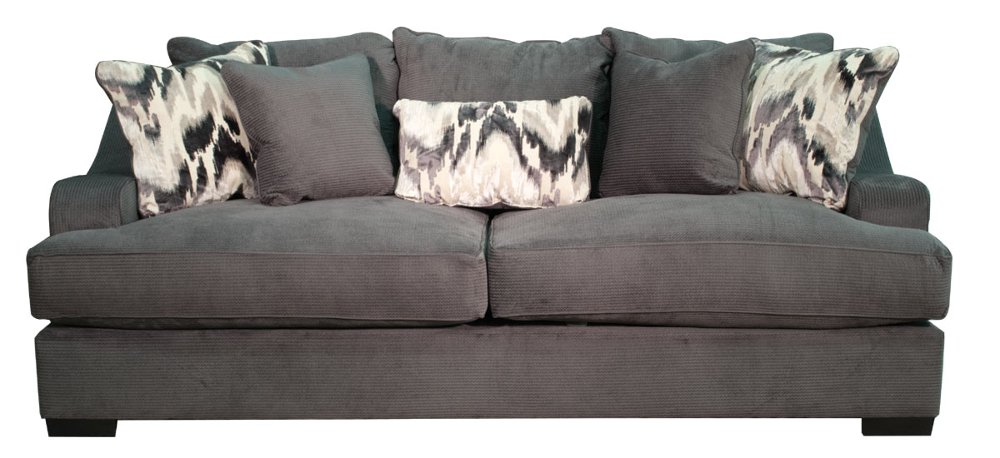
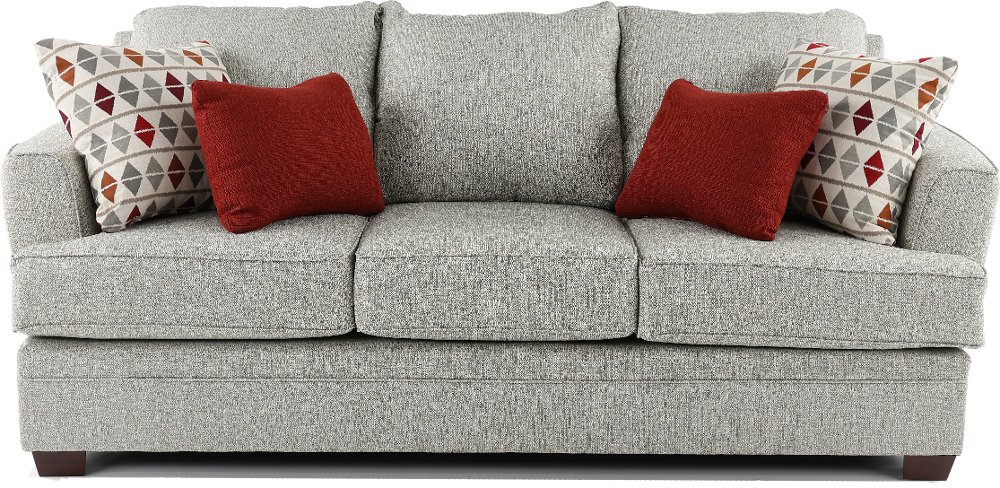
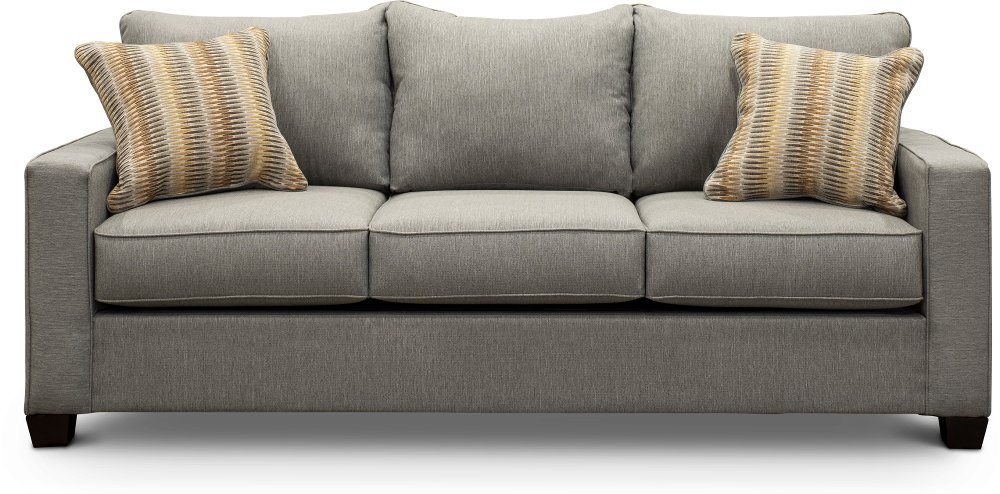
USB sofas are couches with built-in USB ports that let you charge compatible devices while you sit. They bring everyday charging closer to the places where you read, watch movies, catch up with family, or settle in after a long day. Instead of stretching a phone cable across the room, you can connect it to a port positioned near an armrest, reclining control panel, or console, depending on the design. That convenience works just as well for someone reading on a tablet as it does for a household sharing the sofa during a movie. A sofa with USB ports still serves the same purpose as any good couch: giving you a comfortable, welcoming place to relax. Charging is an added feature, not a substitute for supportive cushions, a useful seating layout, and upholstery that suits your routine. USB charging can appear in stationary sofas, power reclining sofas, compact loveseats, and larger sectionals, so built-in ports don’t necessarily mean the seats recline. A power reclining design uses a motor to adjust the seating position, while its USB connection supplies power to compatible electronics. Port type matters, too. USB-A and USB-C connections accommodate different cable ends, and a USB-C port alone doesn’t guarantee fast charging or enough output for a laptop. The sofa’s listed charging specifications and your device’s requirements determine compatibility and charging speed. Integrated charging generally needs a connection to a household electrical outlet, even when the sofa itself doesn’t recline. That makes outlet placement part of the room layout rather than an afterthought. A nearby outlet allows a tidier setup, with the furniture’s power cord kept out of walking paths and away from moving mechanisms. Where a room also needs charging access at a desk or side table, Usb Power Hubs can complement the sofa’s built-in connections. The goal is simple: a comfortable seat with convenient charging that fits naturally into the way you use your living space.
The right size and configuration make a USB sofa feel at home in the room rather than squeezed into it. A compact sofa or USB loveseat can suit an apartment, a reading area, or a smaller media room, while a full-size couch gives multiple people room to sit together. A sectional with USB ports offers a different kind of flexibility, with seating arranged around conversation, a television, or an open living area. Overall width tells only part of the story. Wide arms, deep backs, and center consoles take up space that might otherwise become seating, so usable seat width deserves attention alongside the outside dimensions. Seat depth also changes the experience. Deeper cushions leave room to curl up, while a shallower seat may feel more comfortable if you prefer sitting upright with your feet resting on the floor. For shared seating, seat height, back support, and cushion firmness matter as much as the number of places listed. A power reclining sofa adds another measurement: the space it needs when the footrests extend and the backs move. Even designs intended to sit closer to a wall have clearance requirements, and nearby coffee tables need enough separation for the seats to operate freely. Delivery access matters, too, especially through narrow doorways, stair landings, and hallways with tight turns. Beyond dimensions, the placement of the charging ports affects daily convenience. Ports near the outside arms may work well for people sitting at either end, but they may be less accessible to someone in the middle. Recessed connections can look discreet, while forward-facing ports may be easier to reach without shifting in the seat. Storage consoles, cupholders, and adjustable headrests are additional features found in some designs, not standard parts of every USB couch. For a household that spends long stretches watching shows together, those details may earn their space. In a conversation-focused living room, a simpler profile with accessible charging may be a more natural fit.
Upholstery, cushion construction, and frame quality shape how a USB sofa looks, feels, and holds up to regular use. Woven fabric can bring texture and a softer visual finish to a living room, whether the look is tailored and understated or casual and inviting. Tighter weaves may be worth considering in a busy household, though resistance to snagging, staining, and abrasion depends on the specific fabric rather than appearance alone. Performance upholstery can make sense around children, pets, and frequently used seating, but the term doesn’t mean every fabric handles every spill the same way. Leather develops character with use, and its finish influences both its feel and its care needs. Protected leather, more absorbent leather, and leather-look upholstery require different treatment, so the material description and care instructions matter more than a broad label. Cushion support deserves equal attention. Foam density, cushion layering, suspension, and frame construction all contribute to durability; a soft first impression doesn’t tell the whole story. Removable cushions can make cleaning easier, and reversible cushions, when included, allow wear to be distributed more evenly. Attached cushions offer a tidy appearance but need care around seams and crevices where crumbs collect. Routine maintenance for a sofa with USB charging includes both upholstery care and attention to its electrical components. Vacuuming with an appropriate attachment, blotting spills promptly, and following the upholstery’s cleaning code help protect the seating surface. Liquids and cleaning sprays should stay away from USB ports, switches, and power connections. Charging cables also need a clear route that won’t become pinched under a footrest or caught in a reclining mechanism. For households with young children or pets, keeping loose cords managed and following the furniture’s safety instructions are important parts of everyday use. Accessible connections, clear operating instructions, and documented coverage for electrical components can add confidence to the choice. With the right balance of fit, support, upholstery, and charging access, a USB sofa becomes a useful part of daily life—a place to finish a chapter, share a conversation, or recharge a phone without giving up a comfortable seat.
Read More