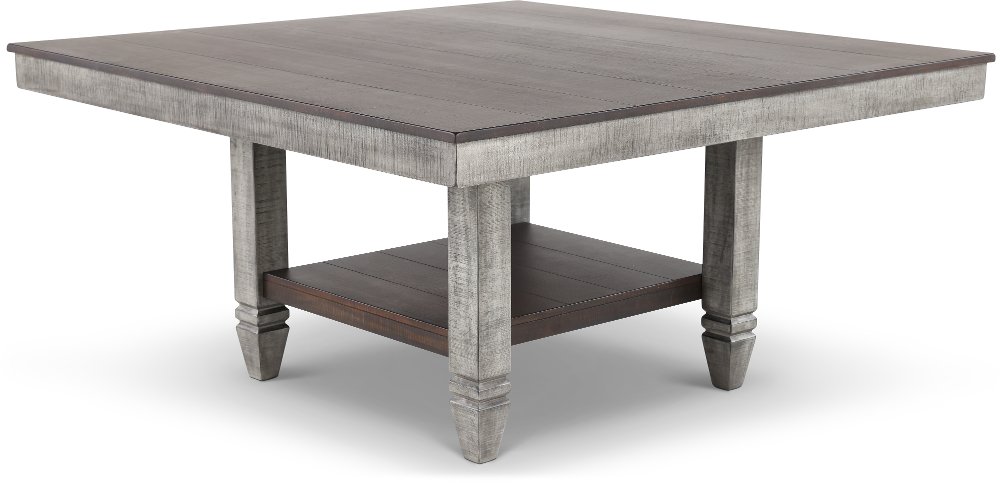
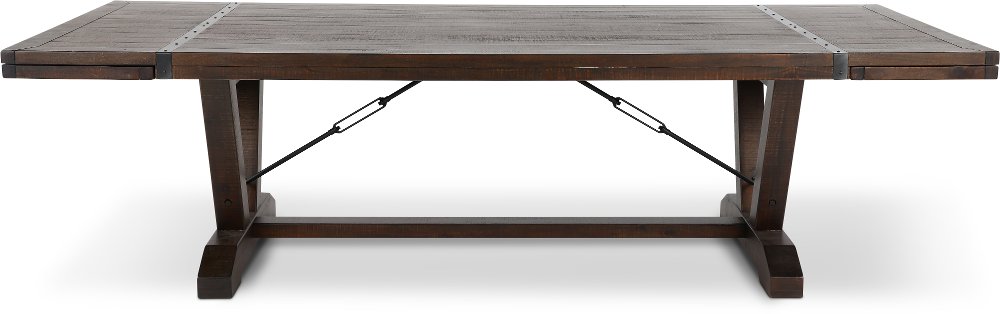
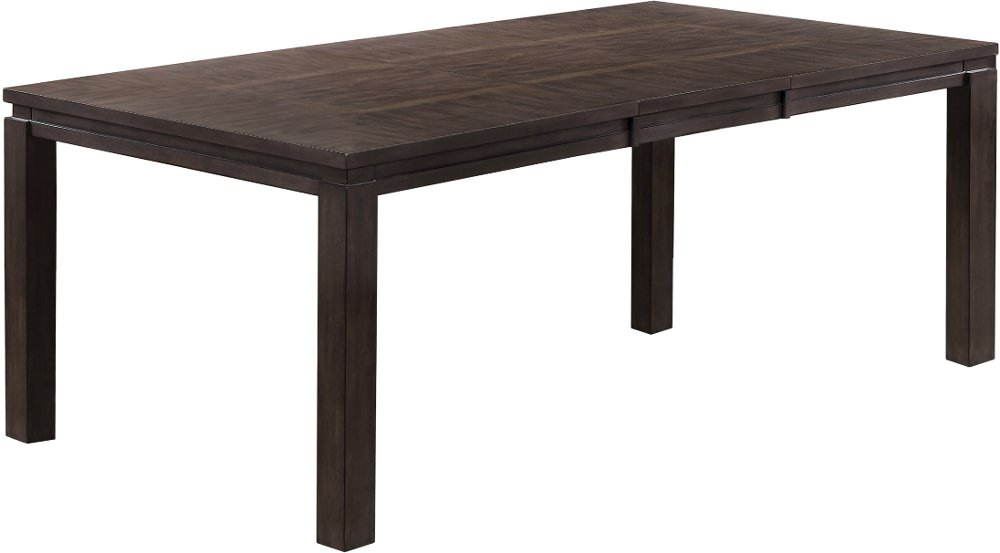
Weathered dining tables bring a relaxed, lived-in look to the place where meals, conversations, and everyday projects come together. Their appeal comes from the details: visible wood grain, softened color, subtle distressing, and finishes that suggest years of use without requiring an antique piece. A weathered finish is a design treatment rather than a single material or construction method, so tables with this look can differ in weight, texture, durability, and care needs. Some have pale, washed tones that let the grain show through; others lean toward driftwood gray, warm brown, or a deeper finish with lighter accents along the grain. Distressing may include shallow marks, gently worn-looking edges, or brushed surfaces that emphasize the wood’s natural pattern. These features give a dining room character without making it feel too formal for a quick breakfast or a takeout dinner. A weathered wood dining table can anchor a farmhouse setting, soften a room with metal lighting and clean-lined chairs, or add texture beside smooth cabinetry in an open dining area. The undertone matters as much as the amount of distressing. A gray finish with brown undertones can feel warmer than a silvery wash, while a natural oak tone may complement cream upholstery, woven seats, and earth-colored accents. When coordinating with existing furniture, aim for a shared undertone rather than an exact match across every wood surface. Matching every piece isn’t necessary for a pulled-together room. A lightly textured tabletop beside simple chairs often creates enough contrast on its own. For a closer look at this finish paired with oak’s distinctive grain, Weathered Oak Tables offer a related style to consider. Whether the table serves a dedicated dining room or a breakfast corner within sight of the kitchen, the right balance of color, texture, and scale helps it feel at home.
Materials and construction help determine how a weathered dining table handles daily life. Solid wood brings natural variation, and some solid wood surfaces can be refinished, depending on their finish and construction. Oak has pronounced grain and good resistance to everyday wear, while pine is softer and more likely to develop dents from dropped utensils or busy family use. Acacia can offer noticeable grain variation and contrasting tones, though its appearance depends on the finish applied. Reclaimed wood may include old nail holes, knots, and other marks from its previous use; a weathered appearance alone doesn’t mean a table contains reclaimed material. Wood veneer over an engineered wood core is another construction approach. It provides a real wood surface and can offer dimensional stability, but a thin veneer limits how much sanding or refinishing the top can tolerate. For a table that doubles as a homework station, craft surface, or occasional workspace, pay attention to how the top feels as well as how it looks. Deep brushing and open grooves add character, but they can catch crumbs or make handwriting on a single sheet of paper uneven. A smoother, sealed top may be more practical for frequent wiping and everyday projects. Finish protection also matters: a matte or faded appearance doesn’t tell you whether a surface resists moisture or stains. Visible grain and varied color may make small signs of wear less noticeable, but distressing doesn’t make a table scratchproof. Stable joinery, secure base connections, and a well-supported top matter more to long-term performance than a rugged appearance alone. Care should follow the manufacturer’s directions, with a soft cloth for routine cleaning and prompt attention to spills. Use coasters beneath drinks, trivets beneath hot dishes, and protective pads for activities that could leave marks. Avoid abrasive cleaners, and use polishes or conditioning products only when the care instructions recommend them. Extended direct sunlight and substantial changes in indoor humidity can affect wood and finishes, so placement and consistent indoor conditions help preserve the table’s appearance.
The best fit gives everyone room to settle in without making the dining area difficult to move through. Start with the table’s full dimensions, including any extensions, and consider the space occupied by chairs when someone is seated. About 36 inches between the table edge and a wall or nearby furniture is a useful starting point for pulling out chairs; closer to 42 to 48 inches can be more comfortable where people regularly walk behind seated diners. Allow roughly 24 inches of table edge per person as an initial seating estimate, then account for wider chairs, arms, and the position of the base. A rectangular weathered dining table often suits a long room and provides a familiar layout for shared dishes and larger gatherings. A round table can make conversation easy in a compact dining area, while an oval shape offers length with softer corners. Pedestal bases can reduce interference from corner legs, although the footprint of the pedestal still affects where feet can rest. Trestle bases create a substantial, farmhouse-inspired profile, but their supports and crossbars deserve a close look if someone will sit at either end. Four-leg designs offer a straightforward silhouette; check the distance between the legs to confirm that the intended chairs fit comfortably. Chair seat height, arm height, and the clearance beneath the tabletop or apron also affect comfort. An extension table can suit a household that usually seats a few people but occasionally hosts more, provided there’s room for the expanded table and a practical place to store removable leaves. For families, a stable base and a finish suited to frequent cleanup may take priority. For a smaller household, a modest round or rectangular table can leave valuable room for everyday movement. Upholstered chairs add softness for lingering over dinner, while wood or other easy-care seating may better suit a busy breakfast area. A weathered dining table earns its place through both appearance and usefulness: enough surface for the way you eat, enough clearance for the way you move, and a finish whose character feels comfortable in daily life.
Read More