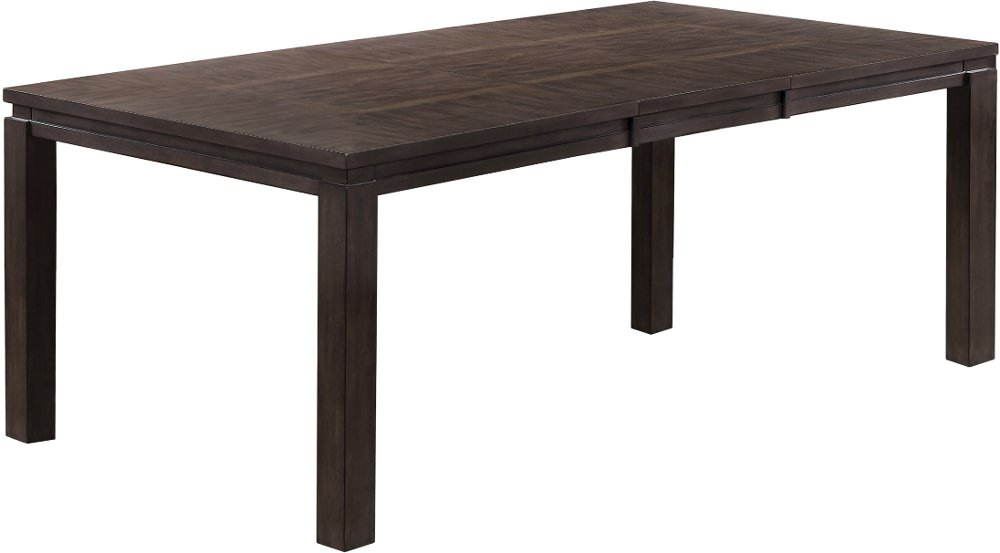
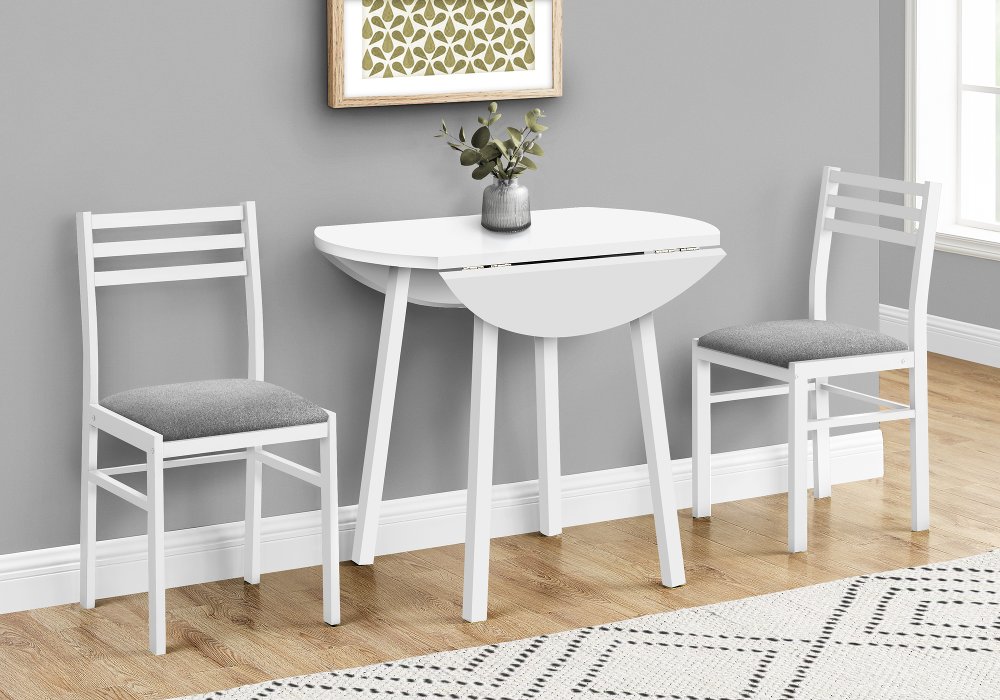
White extendable kitchen tables combine a bright, versatile finish with a tabletop that expands when you need more room. In an eat-in kitchen or breakfast nook, that flexibility lets you keep a smaller footprint for everyday meals and create extra seating for visiting friends, family dinners, or a shared project. The way a table expands makes a difference in how it fits your routine. A removable center leaf typically fits between two sections of the tabletop, while a butterfly leaf folds and stores within the table itself. Drop-leaf tables have hinged sections that lower along the sides, making them especially useful where a full-size tabletop would interrupt a walkway. Some extension designs let the top slide apart, while others use a moving end section; the best fit depends on how often you expect to expand the table and how much setup feels comfortable. For a couple who occasionally hosts dinner, a compact table with one extension may provide enough flexibility. A busy household that moves from breakfast to homework to dinner may appreciate a mechanism that’s easy to operate and a leaf that stays close at hand. Shape matters, too. Rectangular tables often fit naturally along the length of a kitchen, while square tables can feel balanced in a small, defined dining space. Round tables make conversation easy, and many round extension designs become oval when opened. If a curved silhouette suits your space, Round White Kitchen Tables offer another way to explore that look, with extension capability depending on the design. White finishes also vary more than a quick glance might suggest. A crisp white can complement simple cabinetry and stainless steel appliances, while a softer off-white may sit comfortably beside natural wood and warmer wall colors. An all-white table creates a consistent look from top to base; a white base paired with a wood-tone top adds contrast and can help connect the dining area to nearby flooring or shelving.
The most useful white extendable kitchen table is one that fits your room both closed and fully extended. Measure the space with the larger configuration in mind, including the chairs and the paths people take between the refrigerator, sink, and adjoining rooms. About 36 inches between the table edge and a wall or other obstruction is a common starting point for chair movement, with more room helpful wherever someone needs to walk behind a seated diner. Painter’s tape on the floor can make the difference between the closed and expanded footprints easier to picture. Allow roughly 24 inches of tabletop width per person as an initial seating estimate, then account for wider chairs, armrests, and the position of the table legs. An extension adds surface area, but it doesn’t automatically create comfortable seating for a specific number of guests. A pedestal can reduce corner-leg interference, although its base still needs to leave room for feet. A four-leg table offers a familiar arrangement, but the distance between those legs determines whether two chairs can tuck in side by side. Apron height matters if you’re pairing the table with upholstered armchairs, and a bench needs enough clearance to slide underneath if that’s part of your plan. In a narrow kitchen, a drop-leaf design may keep the everyday setup compact, but raised leaves still require open floor space and properly engaged supports. Think about the small tasks that happen around meals as well: setting down a serving bowl, pulling out a high chair, or leaving a laptop open while another person eats lunch. Storage deserves the same practical attention. A separate leaf needs a protected place where it can rest as the manufacturer recommends, away from bumps and moisture. A self-storing leaf avoids that extra storage task, though the mechanism may affect under-table clearance. Clear dimensions for the closed top, extended top, and base help you picture how the table will actually work rather than judging it by its silhouette alone.
Materials, finish quality, and construction all contribute to how a white extendable table handles daily use. Solid wood offers natural character and may allow for refinishing, depending on the construction and coating, but it can respond to changes in indoor humidity. Wood veneer places a thin layer of real wood over a supporting core; its durability depends on the core, edge treatment, and protective finish, and it requires care that respects the thin surface layer. Painted engineered wood can create a smooth, consistent white appearance, while laminate surfaces may offer straightforward cleanup and resistance to everyday wear, depending on their specifications. White describes the color, not the material or level of protection, so the care instructions and construction details matter more than the finish name alone. For a frequently used kitchen table, look for a stable base, secure fasteners, well-supported leaves, and an extension mechanism that aligns the tabletop sections without forcing them together. Seams are part of an extendable design, but the sections should meet evenly when assembled correctly. Keep fingers clear of moving parts, and secure any leaf supports or locks before placing dishes on the expanded surface. Day-to-day care is usually simple: wipe up spills promptly, use a soft cloth and a cleaner approved for the finish, and dry the surface rather than leaving moisture along seams or edges. Coasters, placemats, and trivets help protect against condensation, scratches, and heat; a serving dish straight from the oven needs more protection than a thin fabric runner. A protective mat is also useful when the kitchen table doubles as a spot for drawing, puzzles, or schoolwork. White surfaces can make food spills and scuffs easy to notice, which makes gentle, regular cleanup worthwhile. Avoid abrasive pads or harsh cleaners unless the manufacturer specifically permits them, and check hardware periodically as directed. With the right dimensions, a manageable extension system, and materials suited to your household, a white extendable kitchen table can support quick breakfasts and longer gatherings without asking you to dedicate the same amount of floor space to both.
Read More