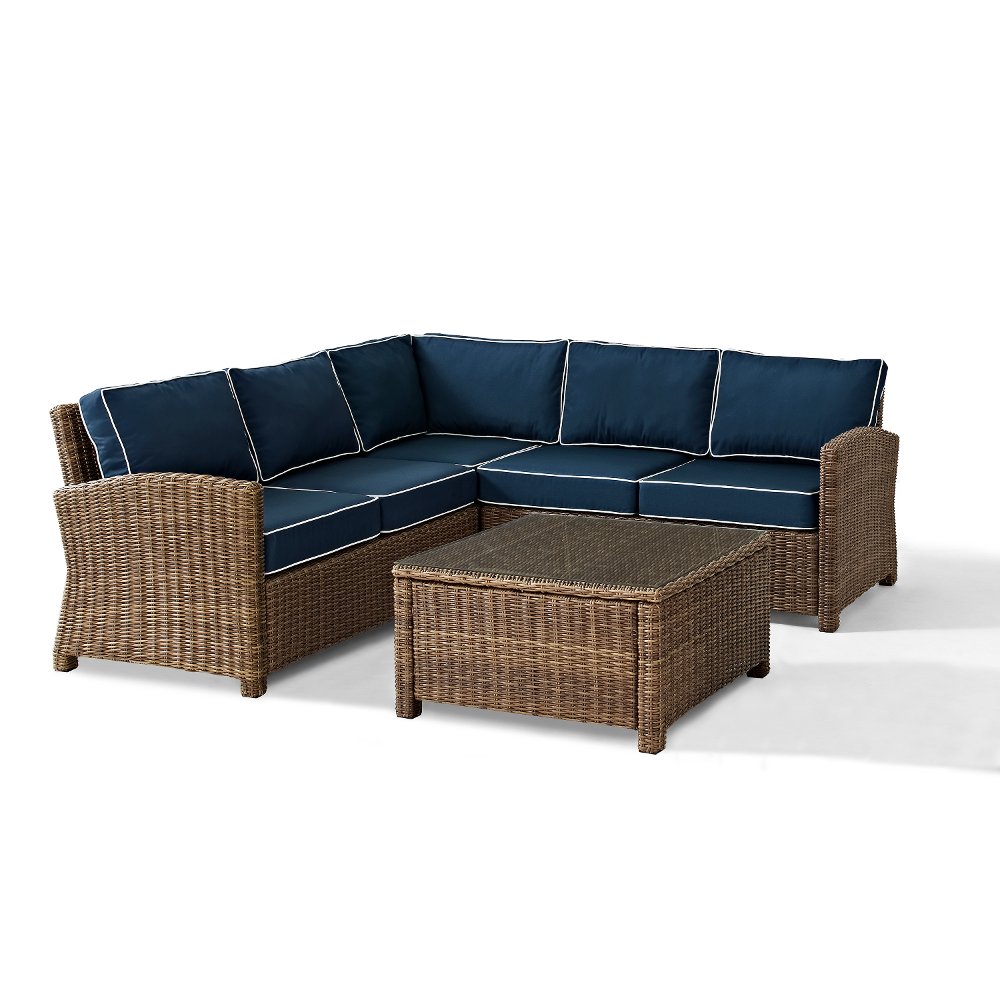
Wicker outdoor dining furniture pairs the relaxed look of woven seating with the practical structure of a table and chairs designed for meals outside. It brings texture to a patio, deck, or backyard dining area without making the space feel overly formal. A woven chair pulled up to a wood table can feel right at home beside garden beds, while charcoal wicker and a streamlined metal tabletop suit a courtyard with clean lines. Wicker describes the weaving technique, not a single material, so the fibers and supporting frame make a meaningful difference in how furniture performs. Natural wicker made from plant fibers generally belongs in sheltered settings unless the manufacturer specifies outdoor use. Synthetic resin wicker, often made from polyethylene, offers a similar woven appearance and is commonly used for outdoor dining chairs because it handles outdoor exposure better than untreated natural fibers. Materials labeled UV-resistant can help reduce fading and brittleness, although their performance depends on construction, exposure, and care. Beneath the weave, aluminum frames are relatively lightweight and resist rust, while steel frames provide sturdy support but need intact protective finishes to help prevent corrosion. Wood frames add warmth and may need periodic maintenance according to the manufacturer’s directions. The tabletop adds another layer of character and practicality. Glass creates a smooth, wipeable surface and keeps the woven base visible; wood brings natural grain and may require an outdoor finish; metal offers a streamlined look, though surface temperatures can change in direct sunlight. A firm, level tabletop is particularly useful for drinking glasses, serving bowls, and plates, unlike the more textured surface of an exposed weave. Together, these details make wicker patio dining furniture a comfortable fit for everyday breakfasts, family dinners, and evenings when a simple meal turns into a longer conversation.
The best fit for an outdoor dining area depends as much on the space around the furniture as on the number of seats at the table. A compact round or square table can give two people a comfortable place for coffee on a balcony, while a longer rectangular table creates room for family meals and shared dishes. Seating capacity varies with table dimensions and chair width, especially when chairs have generous arms, so the listed seat count is only part of the picture. Allowing about 36 inches between the table edge and a wall or other obstruction gives diners room to pull chairs back; a route that people regularly walk through may need more space. On a narrow deck, chairs that tuck beneath the tabletop can keep the arrangement feeling open when no one’s seated. Arm height, table aprons, and chair depth all affect that fit. Dining chairs also serve a different purpose from low lounge chairs: a more upright back and a seat height suited to the table help people sit comfortably through a meal. Cushions change the seated height, so table and chair proportions matter even when the pieces share a similar style. A woven back can provide airflow, while a well-shaped seat and supportive cushion make lingering over dessert more comfortable. Removable cushion covers simplify care when their labels permit washing, and secure ties or fasteners can help cushions stay in place. Outdoor-rated upholstery may resist fading and light moisture, but cushions still benefit from protection between uses. For a table positioned in an open area, an umbrella-compatible design can add shade when paired with the correct umbrella and base. Not every tabletop has an umbrella opening, and the table itself shouldn’t substitute for proper umbrella support. Households with children, frequent guests, or anyone who prefers extra support can also benefit from checking chair weight ratings, stability, armrests, and the ease of getting in and out of each seat.
Well-made wicker outdoor dining furniture can remain an inviting part of a patio with straightforward, consistent care. Synthetic wicker is often described as all-weather, but that term doesn’t mean every component is waterproof, fade-proof, or maintenance-free. The weave, frame, tabletop, cushions, and hardware each have their own care requirements. Dust, pollen, and crumbs can settle between woven strands, where a soft brush or vacuum brush attachment can help lift loose debris. For routine cleaning, mild soap, water, and a soft cloth are often suitable for resin wicker when the manufacturer allows them. A gentle rinse followed by thorough drying helps keep soap residue from collecting in the weave. Abrasive tools, harsh chemicals, and pressure washers can damage fibers or finishes, so a light touch is usually the better choice. Spilled sauce or a tipped drink is easier to manage before it dries, especially around cushion seams and textured chair arms. Let damp cushions dry fully before storing them, and follow their care labels rather than assuming every cover can go in the washing machine. Breathable, properly fitted furniture covers help limit exposure when the dining area isn’t in use; securing them and avoiding trapped moisture matters just as much as covering the furniture. Keeping drainage openings clear and checking fasteners periodically can help preserve stability, while lifting chairs instead of dragging them protects feet, frames, and deck surfaces. In areas with freezing conditions, follow storage recommendations for tabletops, cushions, and other components that may be vulnerable to moisture or ice. Coordinating the dining area with Wicker Patio Furniture can carry the woven texture into nearby seating without requiring every piece to match exactly. Similar wicker tones, complementary cushion colors, and enough open space between dining and lounging areas create a cohesive setting. The result is a place that supports the way people actually gather: a quiet lunch, a game at the table, or a full spread of food with room for everyone to settle in.
Read More