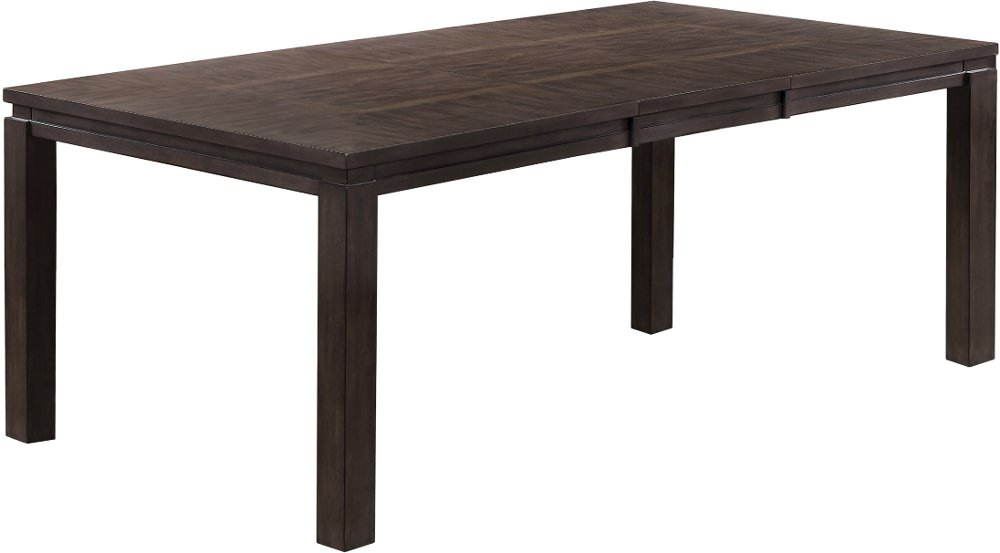
Solid wood round tables bring natural character to a room while giving everyday activities a comfortable place to land. Around a dining table, the curved edge keeps everyone facing one another, whether the meal involves two people sharing takeout or a family passing bowls across the center. In a breakfast nook, a round top can soften the straight lines of cabinets, windows, and built-in seating. Smaller round tables work beside an armchair, between a pair of lounge chairs, or near an entry where a lamp and a catchall tray make coming home a little easier. The appeal goes beyond shape. Real wood has variations in grain, color, and texture that give each surface its own personality. Oak often shows pronounced grain, maple generally has a finer, more understated appearance, and walnut is known for its rich brown tones. The stain and finish also influence the final look, so the wood species alone won’t tell the whole story. A light finish can keep a dining corner feeling open and relaxed, while a deeper finish adds visual weight alongside upholstered chairs or a patterned rug. Visible knots and textured surfaces suit a more rustic setting; smooth tops and clean edges fit easily into contemporary spaces. Solid wood describes the underlying material, not necessarily a single slab: many durable tabletops use several solid boards joined together. Check construction details for the top, base, and any extensions, since different parts may use different materials. Wood veneer over a core is a separate construction method, even when the surface displays genuine wood grain. Understanding that distinction helps you choose a table with the appearance and long-term care needs you want. For a first apartment, an established household, or a smaller home with a multipurpose dining area, the right round table balances a welcoming shape with a surface that’s ready for regular use.
A good fit starts with the space around the table, not just the diameter of its top. For a dining area, aim for roughly 36 inches between the table edge and nearby walls or furniture so chairs can pull out comfortably. A frequently used walkway behind seated diners usually needs more room, with 42 to 48 inches offering a more comfortable starting point. These are planning guidelines rather than guarantees; chair size, room layout, and individual mobility needs all matter. Marking the tabletop’s outline on the floor with painter’s tape can help you picture the footprint, but place a chair beside that outline, too. The space that looks generous with chairs tucked in may feel very different when someone stands up with a plate in hand. A round dining table around 36 to 44 inches across often works for two to four people, while a table around 48 to 54 inches may accommodate four to six, depending on the base and seating. Allow roughly 24 inches of table edge per person as an initial estimate, then consider wider chairs, elbow room, and serving dishes. A pedestal can leave more freedom to position chairs around the perimeter, though a broad pedestal foot may compete with diners’ feet. Tables with individual legs create a different look and feel; check that chairs slide between the legs without crowding. Apron depth matters as well, especially with armchairs or taller seat cushions. For occasional guests, an extension design may offer flexibility, but a round table often becomes oval when its leaves are installed. Measure that expanded footprint before deciding where it belongs. Scale matters just as much outside the dining room. A round side table should put a drink within easy reach without blocking a path. In a living room, solid wood coffee tables offer another way to carry natural grain into the seating area. A round coffee table generally works best when its height stays close to the sofa’s seat height, with enough clearance for knees and comfortable movement.
Durability depends on more than the word “solid.” Wood species, joinery, base design, finish, and everyday habits all influence how a table holds up. A sturdy base and well-made connections help keep a dining table steady through meals, homework, and an evening board game. Harder woods may resist dents better than softer species, but any wood surface can show marks from dropped objects, dragging dishes, or writing directly on the top. A round edge removes sharp corners from the layout, which can be helpful along a busy route through the room, but the table should still sit securely and suit the household’s needs. For families with young children, a stable base and a finish with straightforward care instructions can matter more than decorative detailing. For someone who uses the dining table as a daytime workspace, enough surface area for a laptop and a protective writing pad makes the transition back to dinner easier. Keep placemats, coasters, and trivets close by rather than relying on the finish to handle every spill or hot dish. Wipe up liquids promptly with a soft cloth, and follow the manufacturer’s cleaning directions; a lightly damp cloth followed by drying may be appropriate for some finishes, while others need different treatment. Avoid abrasive cleaners and use oils, waxes, or polish only when recommended for that particular surface. Solid wood naturally responds to changes in indoor humidity, so consistent conditions and placement away from heating vents or strong direct sunlight help support its long-term appearance. If an extension table includes removable leaves, store them as directed to protect their edges and finish. Some solid wood surfaces can be refinished later, but that possibility depends on their construction, texture, and existing finish. With a sensible fit and consistent care, a round wood table can earn its place through the small routines that make a room feel lived in: coffee beside a favorite chair, a puzzle left out between meals, or dinner with everyone comfortably gathered around.
Read More