Bedding Quilts

Browse bedding quilts for a decorative bed covering to layer over sheets or pair with your existing bedding. As you compare options, check dimensions for your preferred coverage and review care instructions to choose a quilt that suits your bedroom and everyday routine.

Read More
Sort by:

Bedding Quilts

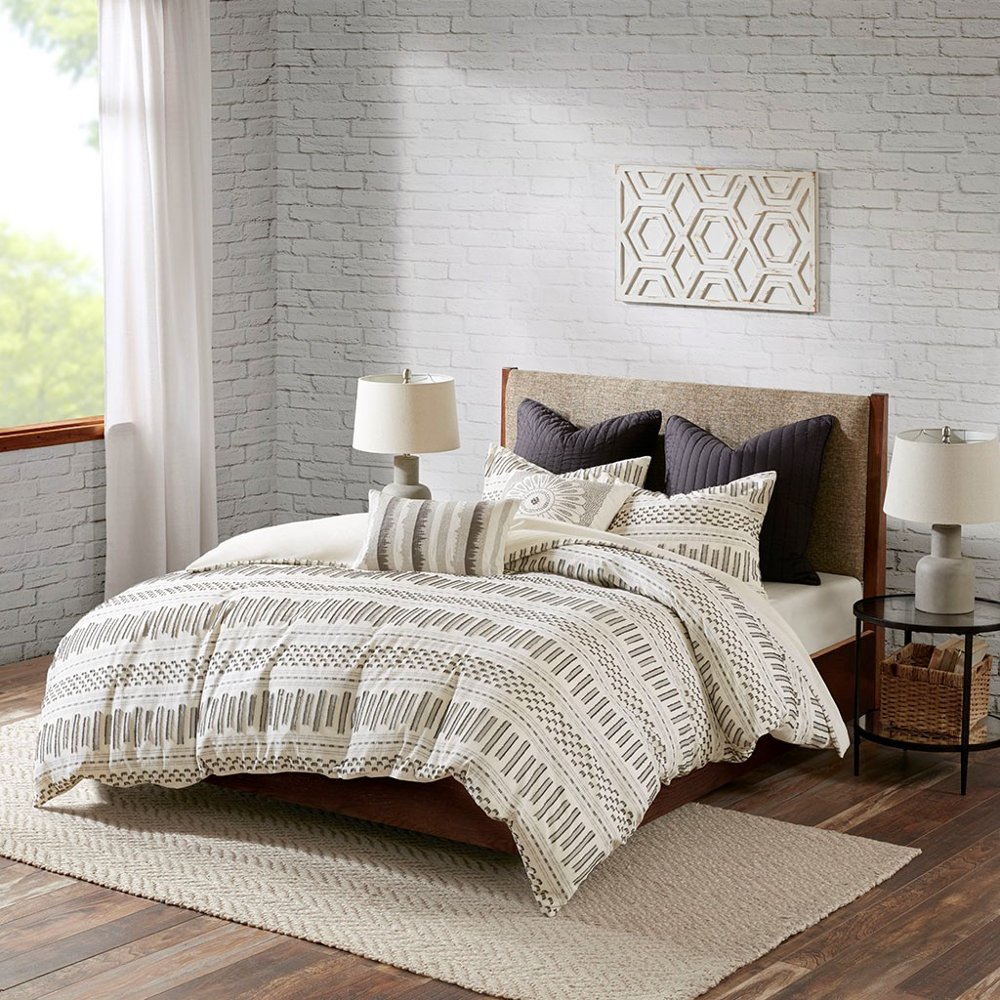
Bedding quilts are stitched bed covers made with three layers: a decorative fabric top, an inner layer of batting, and a fabric backing. Stitching holds the layers together and adds texture, whether the design features simple parallel lines, small geometric shapes, or detailed patterns. Quilts generally have a flatter, less lofty profile than comforters, making them a good fit for beds that look inviting without a bulky top layer. A quilt can serve as the main bed covering or sit over other bedding for a layered look. The fabric and filling both influence how it feels, drapes, and holds up to everyday use. Cotton quilt covers often have a familiar, soft hand and a relaxed appearance, while polyester and microfiber options can offer a smooth surface with good wrinkle resistance. Linen brings a more textured finish, and fabric blends combine characteristics that vary with their fiber content. Inside, cotton batting tends to create a flatter drape, while polyester batting can add a little more loft without the fullness of a typical comforter. These are general differences rather than guarantees; fabric construction, finishing, and fill weight also matter. A densely stitched quilt may feel more structured, while a design with wider spaces between stitching can have a softer, puffier appearance. Patchwork tops bring together separate pieces of fabric, while whole-cloth quilts use a continuous surface that lets the stitching take center stage. Printed designs can offer the look of intricate patterning without pieced construction. Reversible quilts add another useful detail, giving you two finished sides to work with when making the bed. For a bedroom that sees daily use, the best match comes down to the feel you enjoy, the coverage your mattress needs, and the amount of upkeep that fits your routine. A beautiful pattern matters, but so does a quilt that settles comfortably across the bed and feels pleasant when you pull it into place.

Size and drape have a big effect on how bedding quilts look once the bed is made. Size names provide a starting point, but the listed dimensions tell you more about actual coverage. Two quilts labeled for the same mattress size can have different widths and lengths, especially when a label combines full and queen sizes. Mattress depth matters, too: a thick mattress or added topper uses more of the quilt’s width, leaving less fabric to hang over the sides. A low platform bed may look balanced with a shorter drop, while a taller bed can benefit from more generous coverage. For a shared bed, enough width helps both sleepers keep a comfortable share of the covering. An oversized quilt can create a flowing look, though extra fabric may bunch against a footboard or brush the floor on a lower frame. Checking the distance from the mattress surface to your preferred stopping point helps make the finished look easier to picture. Color and pattern shape that look just as much as dimensions do. A solid quilt with visible stitching brings quiet texture to a room with patterned curtains or an upholstered headboard. Small-scale prints add detail without taking over the space, while broad stripes, patchwork blocks, and larger motifs can become the bed’s main design feature. A reversible style gives you another way to coordinate with sheets and pillowcases already in the linen closet. Quilts also fit naturally into Casual Bedding, where approachable fabrics and easygoing layers help a bedroom feel lived in rather than overly arranged. Matching shams can give the bed a coordinated finish, while mixed pillow covers keep it more relaxed. When comparing a quilt with a quilt set, check what the set includes; shams are decorative covers, and pillow inserts may be separate. The goal is a bed that suits the room and feels straightforward to use every day.

Care requirements deserve the same attention as color and size, particularly for quilts used in children’s rooms, guest bedrooms, or homes with pets. Many everyday quilts are machine washable, but the care label is the best source for washing methods, detergent restrictions, and drying instructions. Fiber content alone doesn’t tell the whole story, since dyes, stitching, decorative trims, and construction can affect what a quilt can handle. A large quilt needs enough room to move through the wash; crowding it into a small drum can interfere with cleaning and rinsing. Thorough drying matters before a quilt goes back on the bed or into storage, and the recommended drying method can help limit shrinkage and protect its shape. For spills, prompt attention using a label-approved method is usually gentler than repeated heavy washing. Strong stitching, secure edges, and neatly finished seams are useful signs of construction quality, especially on a quilt that will be washed often. Closely inspect textured details if pets share the bed, since claws can catch on loose threads or raised embellishments. A printed pattern or subtle texture may make everyday lint less noticeable than a very smooth, solid surface, although no fabric eliminates the need for regular care. When storing an extra quilt, choose a clean, dry space and avoid packing it away while damp. Refolding it occasionally can keep the same creases from staying under pressure for long periods. Practical details like these make quilts useful for more than the primary bedroom. A washable quilt can help keep a guest bed ready between visits, give a child’s room a finished look, or make a college bedroom feel more familiar when the dimensions match the mattress. Quilts can also be thoughtful housewarming or wedding gifts when the recipient’s bed size and style are known. A familiar color palette, manageable care routine, and comfortable fabric make the gift easier to enjoy long after the bed is first made.
Read More

Frequently Asked Questions

Filter By