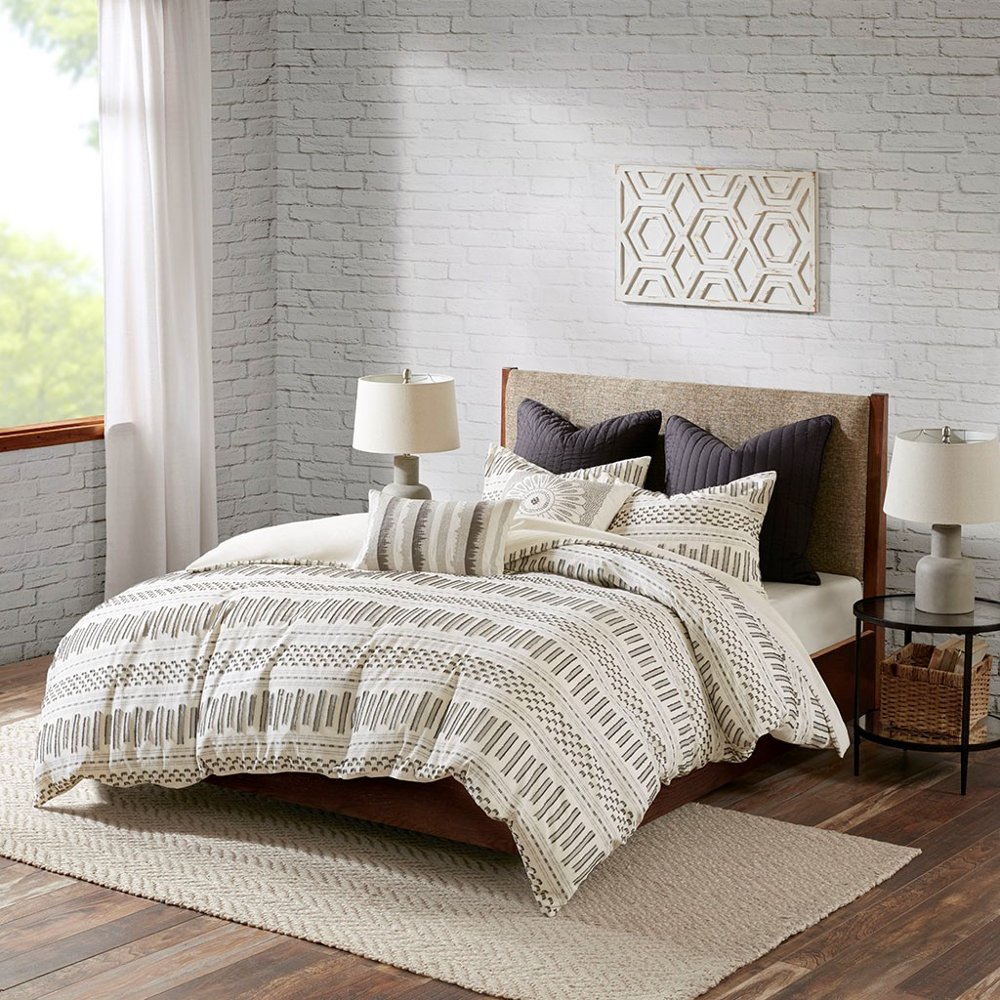
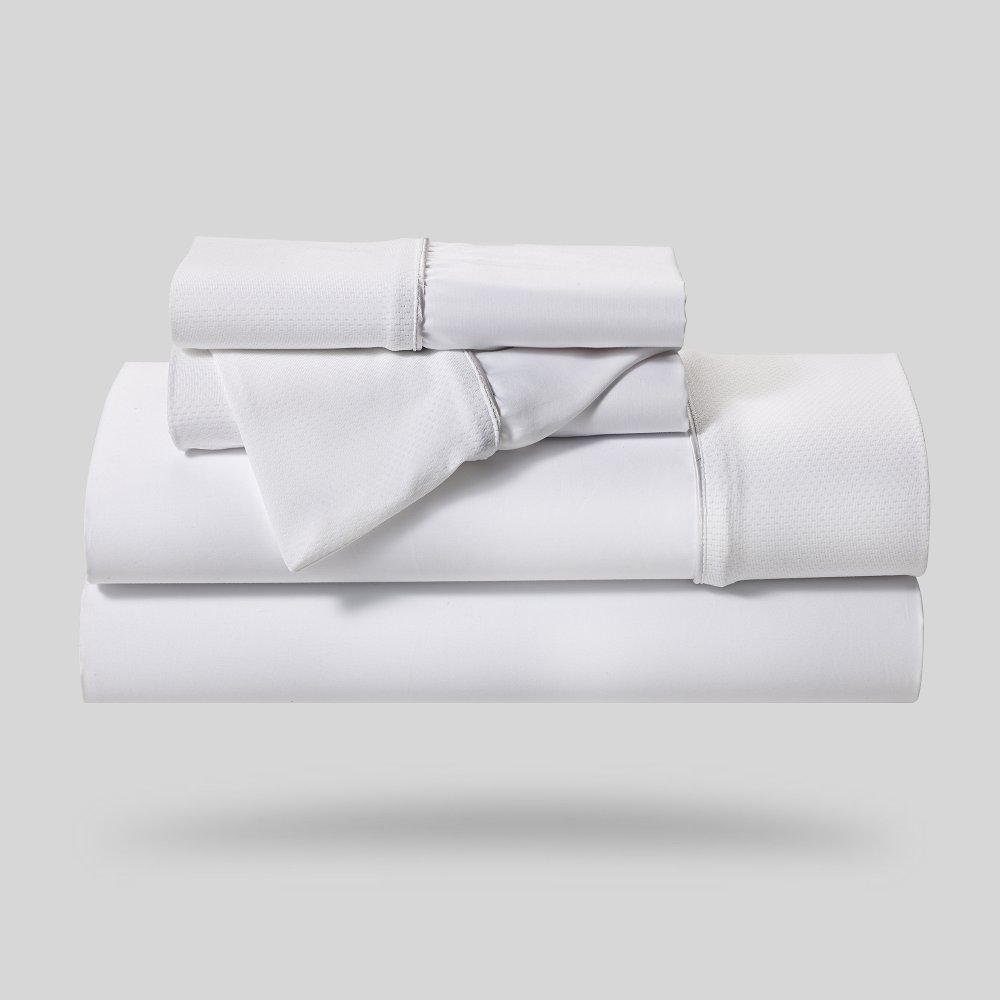
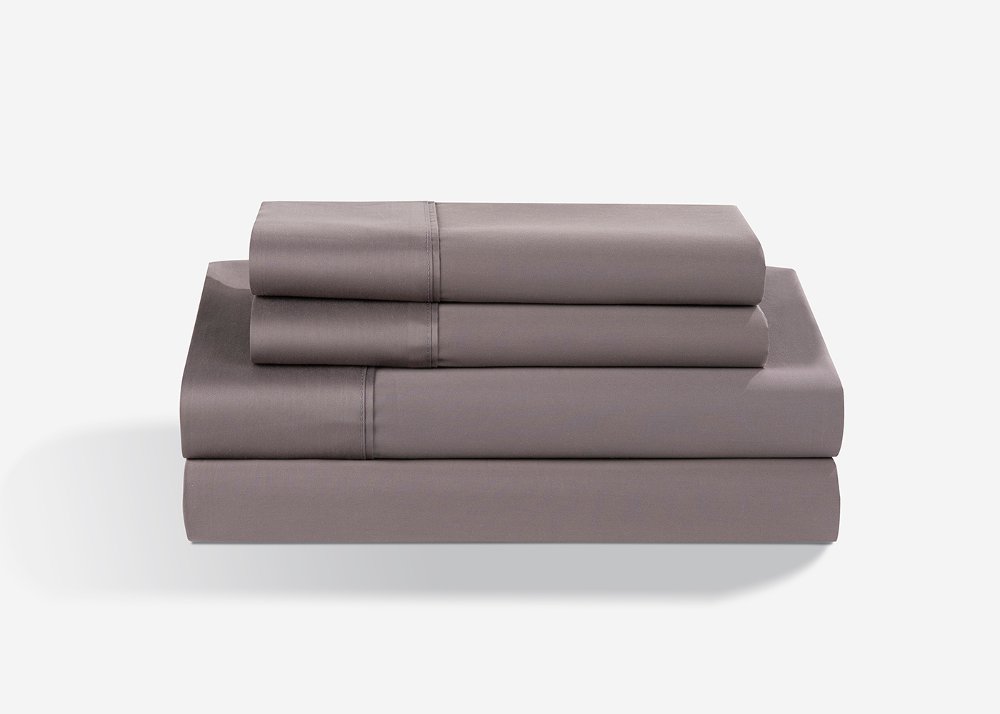
Casual bedding brings together soft fabrics, relaxed textures, and uncomplicated patterns for a bedroom that feels comfortable rather than carefully staged. The look is easy to recognize: a softly rumpled quilt, a comforter with a little loft, or subtle stripes that sit comfortably beside a favorite reading chair. Unlike more formal bedding, casual styles don’t depend on elaborate folds, perfectly matched accessories, or a bed piled high with decorative pillows. Their appeal comes from everyday comfort and a lived-in appearance that still feels pulled together. Cotton, linen blends, washed microfiber, and textured woven fabrics can all suit this approach, though each feels different against the skin. Cotton is often a good starting point for people who prefer a breathable, familiar fabric. Linen has a more pronounced texture and a naturally relaxed drape, while linen-cotton blends combine qualities of both fibers. Washed microfiber typically has a soft, smooth surface; its warmth and breathability depend on the fabric’s construction, so a lightweight feel doesn’t necessarily mean a cooler night’s sleep. Waffle weaves, seersucker, and subtle stitched details add dimension without relying on a bold print. That makes them especially useful in a small bedroom, where texture can bring interest without making the space feel busy. Soft white, oatmeal, gray, and muted blue create a calm foundation, while earthy green or warm rust can add color without changing the room’s easygoing character. Narrow stripes and small-scale checks offer a similar balance, giving the bed definition while leaving room for patterned curtains or a favorite piece of art. Casual bedding works just as well in a primary bedroom as it does in a teen’s room, a college bedroom, or a guest space. It’s an approachable choice for anyone who wants the bed to look inviting after a quick morning straightening, with enough versatility to feel at home beside painted furniture, natural wood, or upholstered pieces.
Comfort starts with choosing the right kind of bedding for the way the bed gets used. A comforter combines an outer fabric and insulating fill in one piece, making it convenient for a simple daily routine. A duvet cover slips over a separate insert, allowing the outer layer to be changed or washed independently; corner ties or other attachment points can help keep a compatible insert from shifting. Quilts and coverlets generally offer a flatter profile than lofty comforters and can serve as lighter top layers or add warmth over other bedding. Their weight varies, so consider the actual construction rather than assuming every quilt will feel light. For someone who sleeps warm, a breathable sheet paired with a lighter top layer may feel more comfortable than a thick comforter, even during the cooler months. Someone who gets chilly may prefer an insulating layer with a blanket folded at the foot of the bed for extra warmth within reach. Partners with different temperature preferences can also benefit from a shared lighter covering and an additional blanket on one side. Fit deserves just as much attention as fabric. Size names are a useful starting point, but actual dimensions vary, particularly with bedding labeled to fit both full and queen beds. Compare the covering’s measurements with the mattress width, length, and height, then consider how far it should hang over each side. A thick mattress or added topper can leave a standard-size covering looking shorter than expected. Fitted sheets need pockets deep enough to accommodate the mattress and topper together, while duvet covers should closely match their inserts to limit empty corners or bunching. Check pillow measurements and set contents, too, since decorative shams aren’t always the same size as sleeping pillows, and a bedding set doesn’t necessarily include sheets. These details matter for gifts as well. Casual bedding can be a thoughtful housewarming or college move-in gift when the recipient’s mattress size, preferred colors, and laundry setup are known. A restrained pattern or gentle texture is often easier to work into an existing room than a large, dominant print.
Easy care is part of the appeal of casual bedding, but a relaxed look doesn’t automatically mean every fabric can follow the same wash routine. Check the care label for washing temperature, drying instructions, and any restrictions before deciding what fits your household. Many cotton and microfiber bedding pieces are machine washable, while certain textures, trims, fills, and blends need different treatment. A large comforter also needs enough room in the washer to move freely; if it’s packed tightly into the drum, a larger-capacity machine may be necessary. Dry bedding completely before putting it back on the bed or into storage, following the label’s heat recommendations to help protect fibers and fill. Promptly removing suitable pieces from the dryer and smoothing them by hand can reduce wrinkles without chasing a pressed finish that doesn’t suit the style. Durability depends on more than softness at first touch. Even stitching, secure hems, and quilting that helps hold fill in place are useful construction details to consider. Raised loops, fringe, and loose decorative threads may need extra attention in a room shared with pets, while a smoother surface can be simpler to maintain when the bed doubles as a spot for reading or watching a movie. For a frequently used guest room, washable layers make it easier to refresh the bed between visits and offer different levels of warmth. Keep the overall arrangement practical: sleeping pillows, a comfortable top layer, and perhaps one accent pillow are enough to give the room a finished look without creating a nightly chore. A folded throw adds another texture and a convenient layer for cool mornings. If there’s room at the foot of the bed, casual benches can provide a spot for that folded blanket or a place to sit while putting on socks; leave comfortable walking space around the furniture. The most satisfying casual bedroom isn’t the one with the most layers. It’s the one where the fabrics feel good, the bedding fits properly, and everyday care fits naturally into the way you live.
Read More