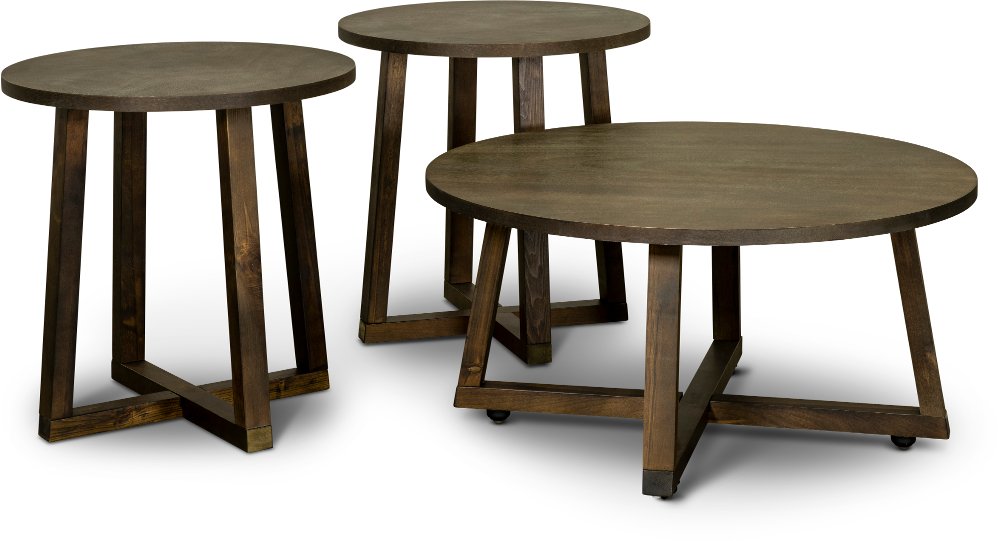
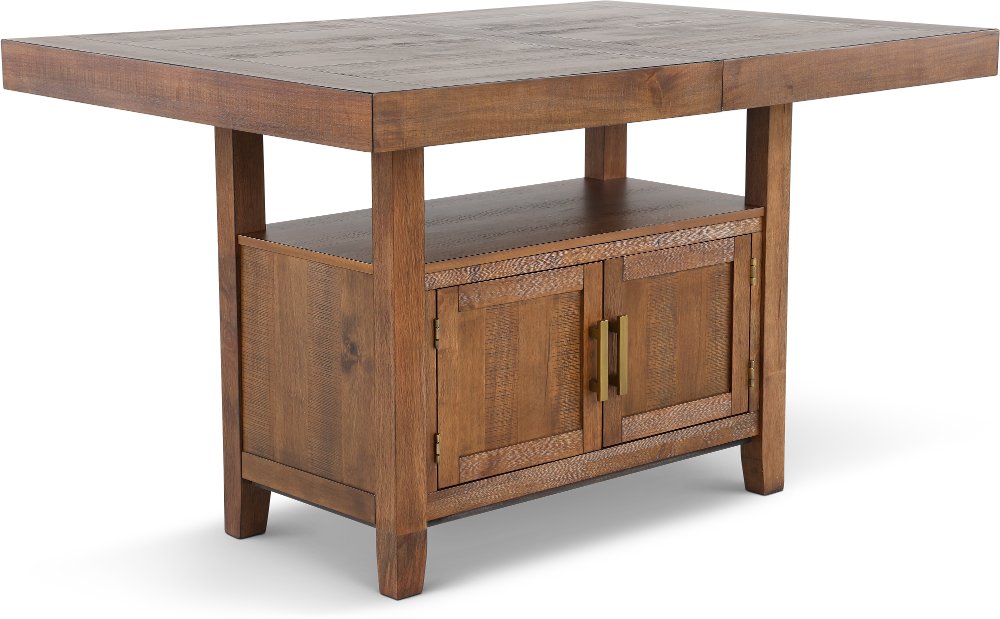
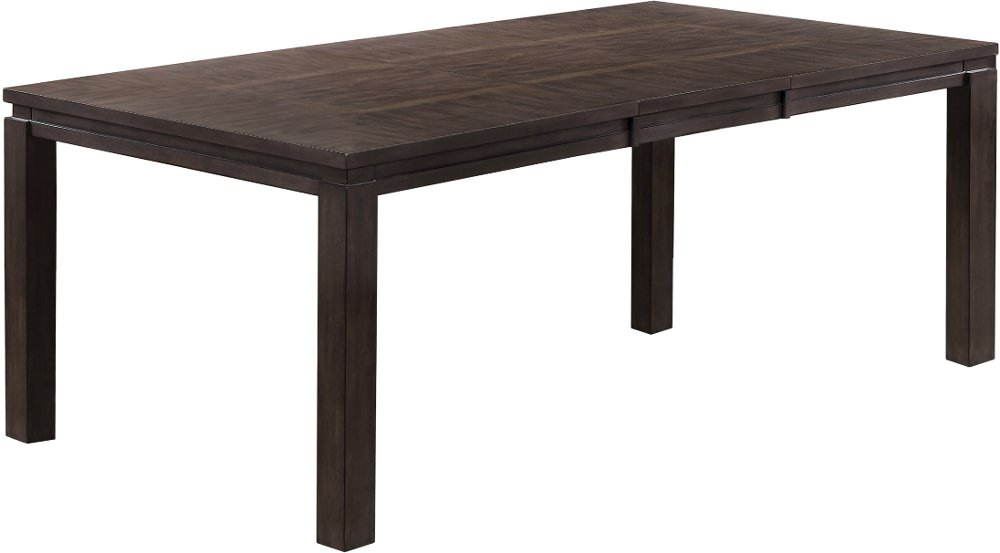
A breakfast table gives everyday meals a comfortable place to land, from toast before school to a slow weekend breakfast with a second cup of coffee. Usually intended for a kitchen, breakfast area, or smaller dining space, these tables bring seating close to where meals come together. They can serve as your main dining table in an apartment or offer a casual alternative to a separate dining room in a larger home. The best fit starts with how you actually move through the room. A table beside a sunny window might feel inviting, but you’ll also want space to pull out a chair, open the refrigerator, and walk past someone who’s seated. As a general starting point, allow about 36 inches between the table edge and a wall or nearby furniture, with more room along busy walkways. Measure with cabinet doors, drawers, and appliances in mind rather than relying on floor space alone. Shape makes a difference, too. A round breakfast table can soften a room full of straight cabinet lines and make conversation easy, while a square table creates a compact setting for one or two people. Rectangular tables often suit narrow rooms, and oval shapes offer a longer surface with curved ends. A pedestal base may give chairs more flexibility, although its footprint still needs to leave room for feet. Four-legged designs provide a familiar look, but check the distance between the legs if you plan to tuck in wider chairs. Drop-leaf and extension designs can adapt to changing needs, provided there’s enough room to use them when fully opened. For seating that makes use of a corner, Breakfast Nooks offer another way to think about the layout. Whether your space holds two chairs or a bench and several seats, leave enough tabletop room for plates, drinking glasses, and elbows. Around 24 inches of table edge per person is a useful starting point, with extra space for larger chairs or serving dishes.
Materials influence both the look of a breakfast table and how it handles daily life. Solid wood brings natural grain and variation that feel at home with everything from simple painted cabinets to richly textured flooring. It can develop character over time, but its response to moisture and temperature means a steady indoor environment and prompt spill cleanup matter. Wood veneer offers a real wood surface over a supporting core; its durability depends on the construction, finish, and care, and it shouldn’t be treated as a surface that can always be sanded deeply or repeatedly refinished. Laminate surfaces can be practical for busy kitchens because many wipe clean easily, though hot cookware, standing water at seams, and abrasive cleaners can still cause damage. Glass tops keep a small eating area feeling visually open and let an interesting base stand out. They also tend to show fingerprints and crumbs, so regular wiping is part of the routine. Stone surfaces bring their own variations in color and texture, but care requirements differ substantially between natural stone and manufactured materials. Some require sealing, and acidic spills may mark certain surfaces. Check the recommended care before deciding what belongs beside your morning orange juice. Metal bases can lend a clean-lined or relaxed industrial feel, while their finish determines how they should be cleaned and protected from scratches. Whatever the material, lasting satisfaction depends on more than the tabletop alone. Secure joints, a stable base, and extension hardware that operates smoothly all contribute to everyday durability. Follow the manufacturer’s cleaning directions, use trivets beneath hot dishes, and choose placemats or other protection suited to the finish. A soft cloth and quick attention to spills often do more good than an aggressive cleaner. If your table sits near a bright window or heating vent, consider how direct sunlight and concentrated heat may affect its surface over time. Felt pads under the feet can help protect flooring, while occasional hardware checks can keep an assembled table feeling steady.
Comfort deserves as much attention as appearance, especially when breakfast turns into homework, a video call, or an hour of catching up with a friend. Standard dining-height tables are generally about 28 to 30 inches tall and pair with chairs designed for that height. Counter-height tables typically stand around 34 to 36 inches tall and need appropriately sized stools or chairs. Compare the seat height with the underside of the table, including any apron, rather than matching by the tabletop measurement alone. Roughly 10 to 12 inches between the seat and tabletop is a common starting point, but an apron can reduce usable thigh space. Armchairs need clearance to slide underneath, and taller seating is more comfortable when feet have dependable support. For young children or anyone who finds climbing onto a stool awkward, standard-height seating may make daily meals easier. Rounded edges can also be worth considering in a closely traveled kitchen, though thoughtful placement still matters. Once the proportions work, color and finish help the table feel connected to your home. Light wood and pale finishes can keep a compact breakfast area feeling airy; deeper tones can add definition against light cabinetry. A painted base with a wood-look or wood top can bridge different finishes without requiring every chair and cabinet to match. Keep the room’s existing textures in mind: a strongly patterned floor may pair comfortably with a quieter tabletop, while a simple kitchen can carry more visible grain or a distinctive base. Your daily habits should have the final say. A couple sharing quick meals may need only a compact surface, while a household juggling cereal bowls, lunch boxes, and school papers benefits from a little more room. If the table doubles as a work spot, leave space to set a laptop aside when food arrives and protect the surface during craft projects. Even a small breakfast table can become a well-used part of your home when its size, seating, and care requirements suit the way you live.
Read More