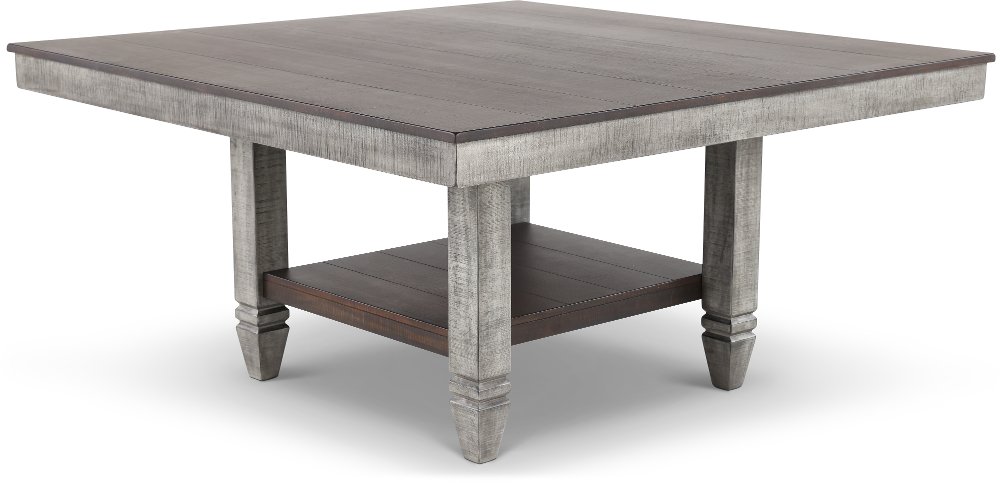
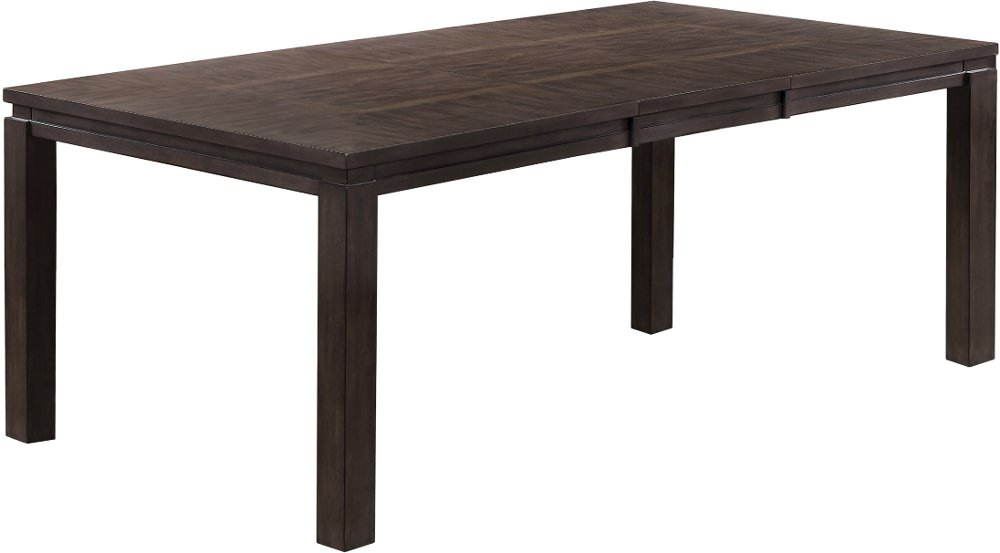
Dinner tables give people a place to share meals, settle into conversation, and spend time together without needing a special occasion. As the main surface in a dining room, kitchen, or open living area, a dinner table needs to suit both the space and the way your household uses it. A table for two might hold breakfast and a laptop before becoming a comfortable spot for dinner, while a larger dining table can accommodate family meals, school projects, and friends who stay for another round of conversation. Shape makes a noticeable difference in how that space works. Rectangular dinner tables fit naturally in long rooms and offer a familiar arrangement for seating along both sides and at the ends. Round tables keep everyone facing one another, and a central pedestal can make chair placement more flexible than a base with four corner legs. Square tables suit balanced rooms and smaller groups, while oval tables offer the length of a rectangle with rounded ends that soften the outline. Comfortable seating depends on more than the tabletop’s dimensions. Allowing about 24 inches of table edge per person is a useful starting point, with more room for wide chairs or generous place settings. Around the table, approximately 36 inches between the edge and a wall or other furniture usually provides room to pull out a chair. A frequently used walkway may need 42 to 48 inches, particularly when someone needs to pass behind a seated guest. Nearby cabinet doors, doorways, and serving furniture also affect the fit. In a compact dining area, a smaller footprint can make everyday movement easier; in a larger room, a substantial table can give the seating area a sense of purpose. The most comfortable arrangement leaves space for people to sit down, get up, and carry a full plate without having to turn sideways.
Materials influence a dinner table’s appearance, weight, upkeep, and long-term wear. Solid wood brings natural grain and variation, with each surface showing its own character. Depending on the construction and finish, a solid wood tabletop may be repairable or refinishable, although its care requirements still matter. Wood veneer uses a thin layer of real wood over a supporting core, allowing attractive grain patterns and a consistent surface; deep scratches can be harder to repair because that decorative layer has limited thickness. Engineered wood surfaces vary in construction and finish, so the protective coating deserves as much attention as the material underneath. Laminate can be practical for busy eating areas because many finishes wipe clean easily, but seams and edges still benefit from prompt attention to spills. Glass tabletops keep sightlines open and let the base become part of the design, making them visually lighter in a small room. They also tend to show fingerprints, crumbs, and streaks, which can mean more frequent wiping. Stone and ceramic surfaces offer distinctive patterns and textures, but their care needs differ. Some natural stone requires sealing and protection from acidic foods, while ceramic surfaces should still be protected from hard impacts along vulnerable edges. Metal bases can add a slim, sturdy framework or a more substantial industrial look, depending on their shape and finish. Whatever the combination, secure connections, a stable base, and a well-supported top contribute to a dependable table. Everyday care is usually straightforward when it follows the manufacturer’s directions: wipe up spills promptly, use coasters and trivets, and avoid dragging rough-bottomed dishes across the surface. A soft cloth and an approved cleaner help preserve the finish without unnecessary abrasion. For households where meals share space with crayons, puzzles, and homework, a forgiving finish may matter more than a perfectly uniform appearance. Natural grain or a textured finish can make small signs of use less noticeable, though neither replaces careful handling.
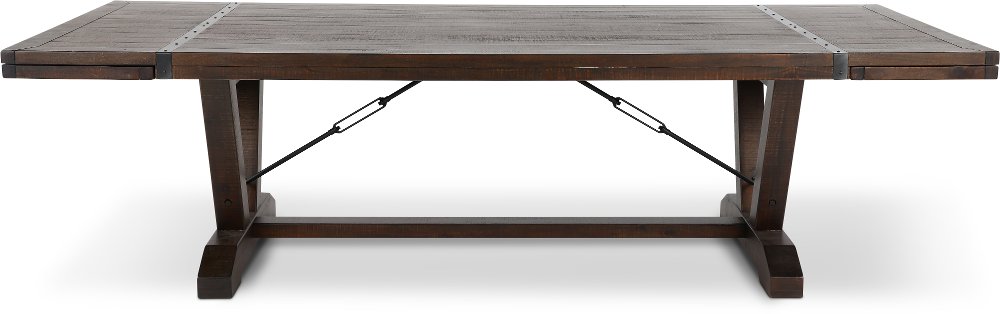
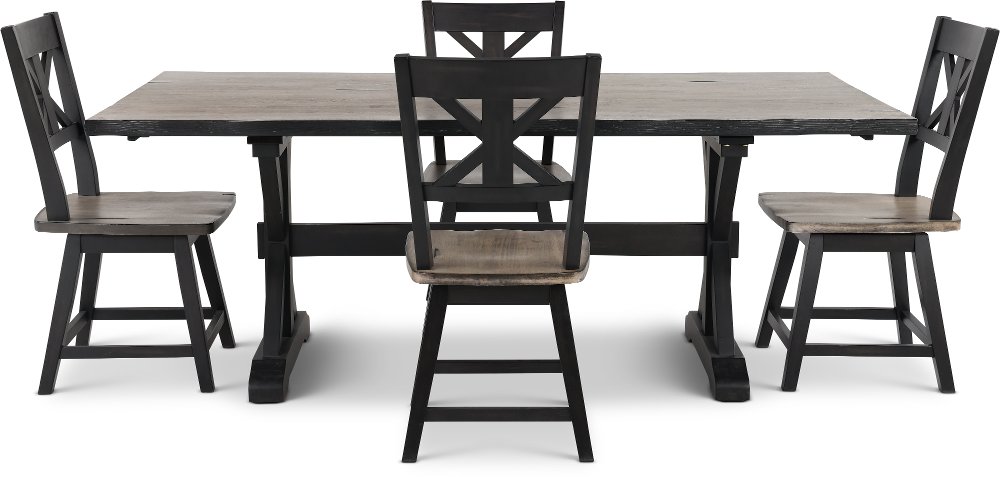
A dinner table also needs to work with the seats around it and the routines that happen there. Standard dining-height tables are generally about 28 to 30 inches tall, while counter-height tables are typically about 34 to 36 inches tall. Matching chair or stool height to the table helps keep meals comfortable; roughly 10 to 12 inches between the seat and the underside of the tabletop is a common starting point, though an apron beneath the top can reduce usable legroom. Armchairs need enough clearance to slide underneath, and a bench needs both the right height and sufficient space between the table legs if it will tuck away. Pedestal and trestle bases create different seating arrangements, so a base that looks open from one angle may still affect knee or foot space at certain seats. Extendable dinner tables suit households that want a manageable everyday size with room for additional guests. A removable leaf needs a safe storage spot, while a self-storing design keeps its extension within the table; either arrangement needs enough surrounding floor space when fully opened. Drop-leaf designs offer another way to adjust the usable surface in a smaller eating area. For a separate spot dedicated to quick meals, Breakfast Tables offer a related option for kitchens and casual dining nooks. Appearance can connect these practical choices to the rest of your home. Warm wood tones and visible grain bring a relaxed feel, painted finishes can coordinate with cabinetry, and streamlined bases keep a room feeling uncluttered. A dining table doesn’t have to match every nearby piece to feel at home; repeating a wood tone, finish, or curved detail can create a comfortable connection. For a first apartment, a growing household, or a dedicated dining room, the most useful dinner tables balance everyday seating, occasional company, and manageable care. That balance makes room for the familiar details of home: a serving bowl within reach, chairs pulled close, and enough space to linger after the plates are cleared.
Read More