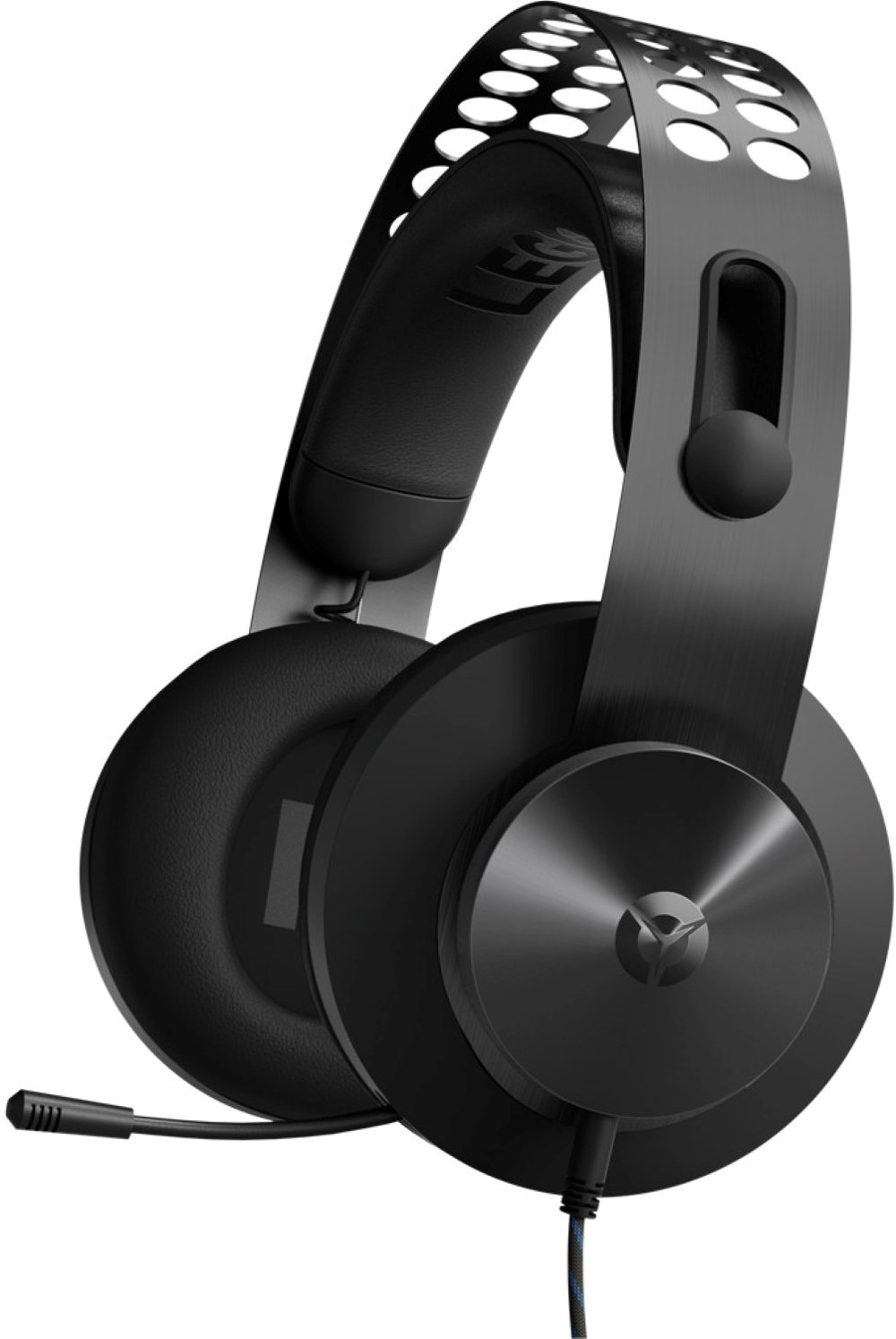
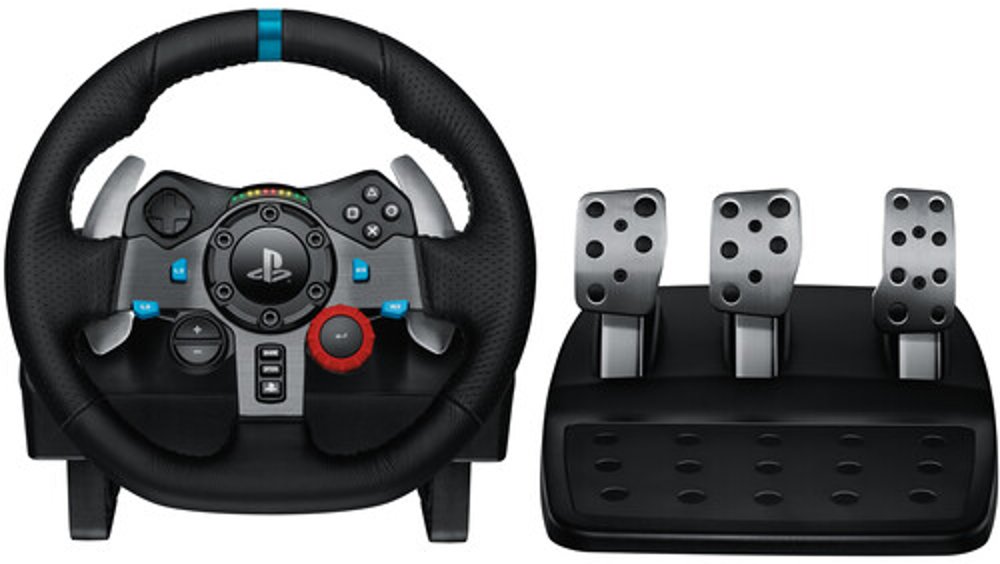
High performance gaming brings your favorite worlds to life with sharper detail, smoother motion, faster response, and the headroom to handle demanding games for years to come. A strong gaming setup starts with the computer’s core components. The graphics processing unit, or GPU, does much of the work behind image quality and frame rates, making it especially important for players who want fluid action at 1440p or 4K resolution. More graphics memory, often listed as VRAM, helps a system manage detailed textures, expansive environments, and higher resolutions. For especially demanding games, 16GB of VRAM or more can provide useful room to grow, although the best choice depends on the games you play, the display you use, and the visual settings you prefer. The central processing unit, or CPU, handles game logic, physics, artificial intelligence, background tasks, and communication between components. A modern multi-core processor with strong single-core performance can help reduce latency and keep gameplay responsive, particularly in competitive games where a split-second reaction matters. Memory, or RAM, supports the operating system, game software, voice chat, browsers, recording tools, and other programs running together. For a high performance gaming computer, 32GB of fast DDR5 memory is a practical target for demanding current titles and multitasking, while additional capacity may benefit streamers, creators, and anyone who likes to keep several applications open. Solid-state storage can shorten startup and loading times, helping you move from the desktop to the opening scene with less waiting. Capacity matters, too: large games can quickly fill a smaller drive, so choosing enough storage for your library can save the hassle of uninstalling a favorite title whenever a new one arrives. When comparing systems, look beyond one headline component and consider how the parts work as a complete setup. Balanced performance, dependable cooling, a capable power supply, and a case with sensible airflow all contribute to a computer that can stay steady through a long session. A bright, detailed display with a high refresh rate can make fast movement feel more natural, while a responsive keyboard, precise mouse, comfortable headset, and supportive chair help complete the experience. You can explore the full selection of Gaming Desktop Computers to find a setup that matches your resolution, favorite genres, play style, and available space.
The right high performance gaming computer looks different for every player. A competitive player who spends evenings in fast multiplayer matches may value a high refresh rate, low input latency, consistent frame rates, and a responsive wired connection. Someone who prefers visually rich role-playing, open-world, racing, or simulation games may place greater emphasis on graphics power, 4K support, generous storage, and quiet cooling during extended play. A creator who streams gameplay or edits video can benefit from a powerful multi-core processor, ample memory, and fast storage that keeps recording, broadcasting, and editing tasks moving together. High performance systems can also serve as versatile home computers for schoolwork, remote work, digital art, music production, and everyday entertainment, making them a thoughtful gift for a student, longtime enthusiast, or family member building a first serious setup. If you’re shopping for someone else, it helps to consider more than the games they mention. Their monitor resolution, desk size, preferred accessories, operating system familiarity, and plans for future upgrades can all shape a better choice. A compact system may suit a tidy bedroom or apartment workspace, while a larger tower can offer additional room for storage, cooling, and component upgrades. During the cooler months, a well-ventilated gaming area can feel especially inviting, with the soft glow of the display, a warm drink nearby, and a game ready to load after the day winds down. Still, the computer should be comfortable and dependable in every season, so look for sturdy construction, accessible ports, practical cable management, and cooling designed for sustained use. Before purchasing, check the recommended requirements for the games you play and compare them with the computer’s GPU, CPU, RAM, storage, and supported resolution. Meeting the minimum requirements may let a game run, but stronger hardware can provide smoother performance and more flexibility with visual settings. A system designed around your real habits helps you spend less time adjusting settings and more time enjoying the experience, whether that means exploring a quiet digital landscape, competing with friends across the country, or settling into a weekend campaign with the room lights low and the action filling the screen.
Read More