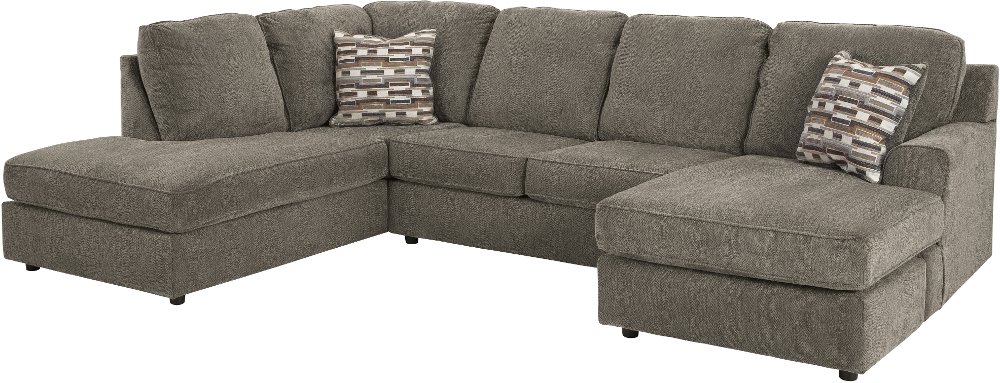
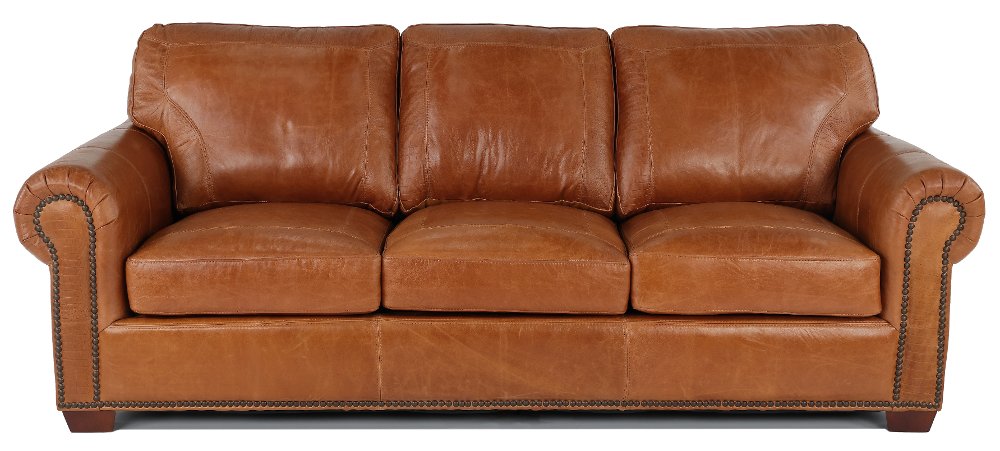
Leather Chaise Sofas

Leather chaise sofas combine everyday seating with extra room to stretch out. As you browse, compare overall dimensions, chaise placement, and upholstery details to find a sofa that suits your living room layout while leaving space for walkways and nearby furniture.

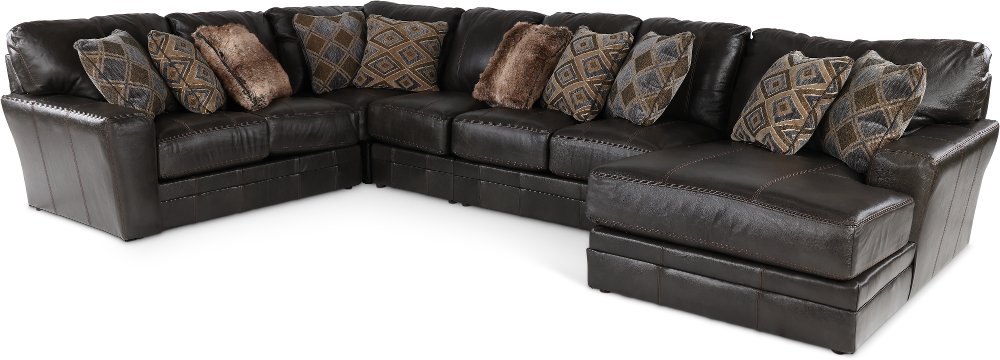
Leather Chaise Sofas

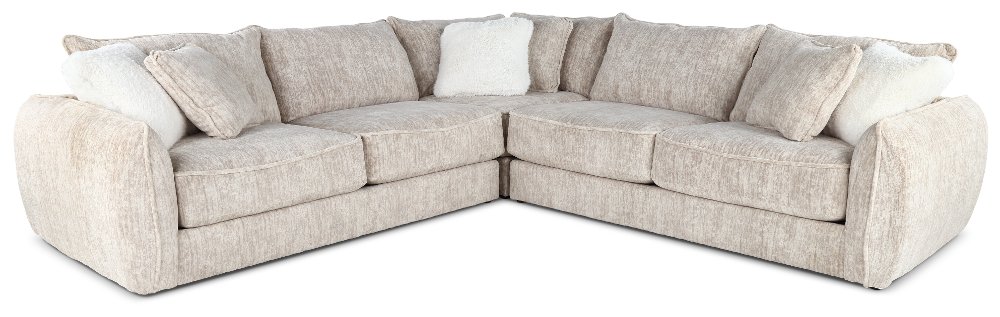
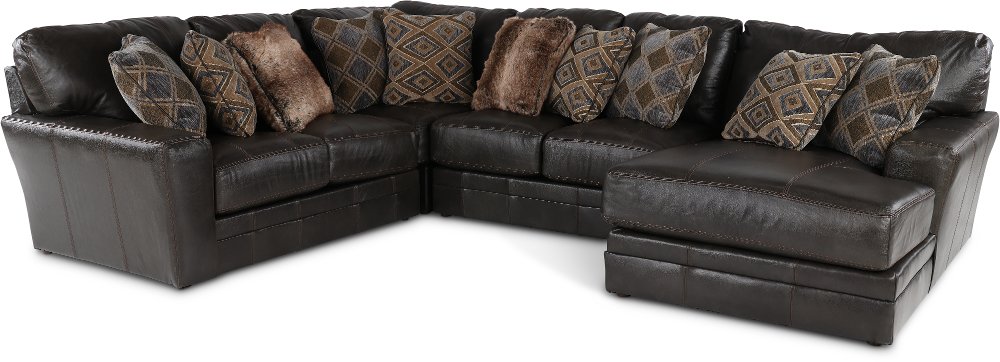
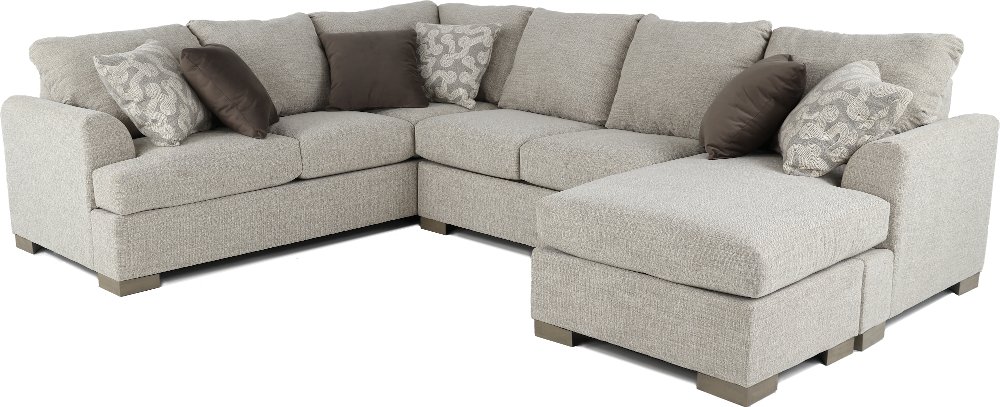
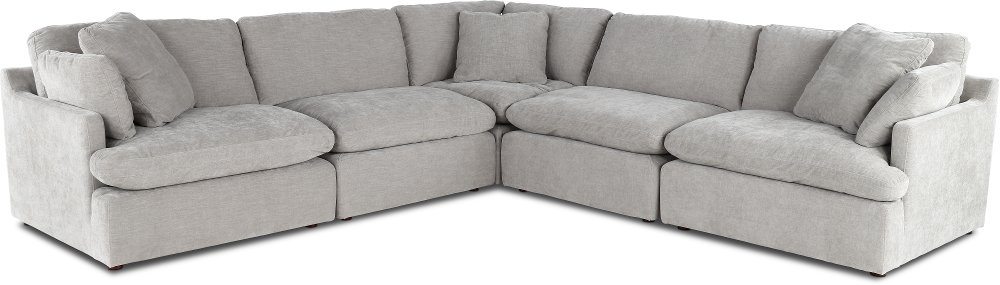
A leather chaise sofa combines standard sofa seating with an extended lounge seat, giving you room to stretch out without adding a separate ottoman. The chaise typically sits at one end, creating an L-shaped footprint that can define a seating area while keeping conversation comfortable. It’s a natural fit for a living room where someone likes to read with their feet up, a family room built around movie nights, or an apartment that needs both everyday seating and a favorite lounging spot. Unlike a reclining sofa, a fixed chaise provides leg support without a mechanism or a moving footrest, although some designs combine chaise seating with reclining features elsewhere. That distinction matters when you’re picturing how the furniture will work throughout the day. An extended cushion offers a comfortable place to settle in, but it doesn’t necessarily provide another upright seat with a backrest. The sofa’s shape also influences how the room feels. A chaise tucked along a wall can leave the center open, while one extending into the room can gently separate the seating area from a dining space. Orientation deserves close attention: left-facing and right-facing descriptions can vary, so the layout diagram is more useful than the name alone. Picture the chaise beside the window, across from the television, or away from the main walkway before choosing its position. Leather adds another layer of character, from the relaxed look of a softly cushioned silhouette to the tailored lines of narrow arms and exposed legs. Warm brown upholstery pairs easily with wood furniture and woven textures, while black, gray, and lighter neutral tones can support a cleaner, more understated room. Stitching, cushion shapes, and the height of the back often influence the overall look as much as color does. A low profile keeps sightlines open, while a taller back creates a more substantial presence and may offer additional support.

The right fit depends on more than the sofa’s overall width. A leather sofa with a chaise needs enough floor space for its full depth, especially where the extended seat reaches toward a coffee table or an adjoining doorway. Marking that footprint with painter’s tape can make the difference between a layout that looks comfortable on paper and one that works during a busy evening. Around 30 to 36 inches is a useful starting point for a main walking path, with additional space where household needs or accessibility call for it. Coffee tables should remain within comfortable reach without crowding knees or blocking the route around the chaise. Delivery access matters just as much as the final placement: door openings, hallway turns, stairs, and elevator dimensions can affect whether a sofa reaches its intended room. Removable legs or separate sections may help with access, but those details depend on the design. Seat dimensions deserve the same attention. A deep seat can feel inviting for curling up, while a shallower seat may make it easier to sit upright with feet resting on the floor. Seat height, arm height, and back support all affect everyday comfort, particularly for someone who finds low furniture difficult to get out of. On the chaise itself, usable cushion length matters more than the outside measurement alone. Someone tall may want generous legroom, while another person may prefer a shorter lounge section that leaves more open floor space. Cushion construction changes the experience, too. Foam can provide a more structured feel, while fiber or feather blends may offer a softer surface that needs regular reshaping. Supportive suspension, secure frame joints, and well-finished seams contribute to long-term performance. In a shared family room, consistent support and easy upkeep may matter most; in a quieter sitting room, a softer feel or a particular silhouette may take priority.

Leather upholstery varies in appearance, maintenance needs, and how it responds to daily use. Full-grain leather retains the natural grain surface and may show markings that give each piece its own character. Top-grain leather has had its outer surface refined to varying degrees, so its feel and finish can differ considerably. Neither term alone tells the whole story about stain resistance or care. Aniline leather has little protective coating and can develop a rich patina, but it’s also more susceptible to spills and changes in appearance. Pigmented or protected leather generally offers more resistance to everyday marks, making the finish worth considering in a room shared with children or frequent guests. Leather-match upholstery combines genuine leather on specified areas with another material elsewhere; checking the upholstery description helps clarify exactly which surfaces are leather. For a similar visual style in a different material, Leather Like Sofas offer another option to consider, with care requirements and performance that depend on their composition. Whatever the upholstery type, durability comes from the combination of material, construction, use, and maintenance rather than appearance alone. Pet claws, sharp objects, and abrasive clothing hardware can scratch leather, and no finish makes a sofa immune to damage. A washable throw over a favorite pet’s resting spot can add a practical layer of protection. Regular dusting with a soft, dry cloth helps keep grit from collecting along seams, and spills deserve prompt blotting with a clean, absorbent cloth rather than vigorous rubbing. Follow the manufacturer’s instructions for cleaning and conditioning, since a treatment suited to one leather finish may harm another. Household solvents, excessive water, and unapproved cleaners can alter the surface. Placement away from direct sunlight and heat sources also helps preserve the upholstery. With a suitable finish, comfortable proportions, and thoughtful care, a leather chaise sofa can become the seat that supports everything from an afternoon book to an evening spent together.

Frequently Asked Questions

Filter By