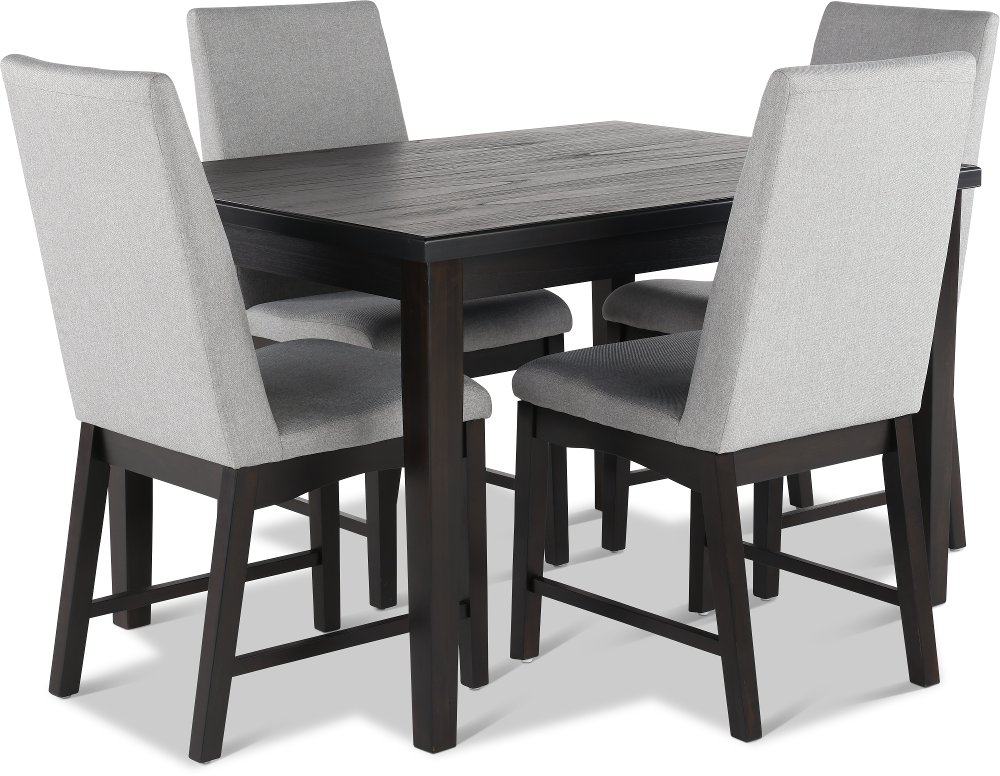
Narrow dining tables make room for shared meals without taking over the space around them. Their slim proportions work especially well in apartment dining areas, galley-style kitchens, breakfast nooks, and long, rectangular rooms where a wider table would interrupt the walkway. Many narrow dining tables measure about 30 to 36 inches wide, giving people seated across from each other room for place settings while keeping the tabletop within easy reach. Extra-slim designs around 15 to 26 inches wide serve a different purpose: they’re often better suited to seating along one side, quick breakfasts, or a dining surface against a wall than to full meals with chairs on both sides. Width alone doesn’t determine how many people can sit comfortably. Table length, leg placement, chair size, and space at each end all matter. Allowing roughly 24 inches of table edge per person is a useful starting point, with more room for broad chairs or generous elbow space. A table around 48 inches long may accommodate four people, while a 72-inch table may suit six, provided its base and the surrounding room allow comfortable seating. For a couple who eats together most evenings but occasionally hosts friends, a slim rectangular table can balance everyday convenience with room to gather. For a household that uses the dining area for homework, puzzles, or working from home, the same shape creates a practical shared surface without dominating the room. A narrow table isn’t necessarily a small table; some offer substantial length while preserving floor space along the sides. If both length and width need to stay compact, Small Dining Tables offer another way to think about the room’s proportions. The most comfortable fit leaves enough tabletop for daily routines and enough open floor for everyone to move naturally, whether someone’s carrying dinner from the kitchen or getting up for another glass of water.
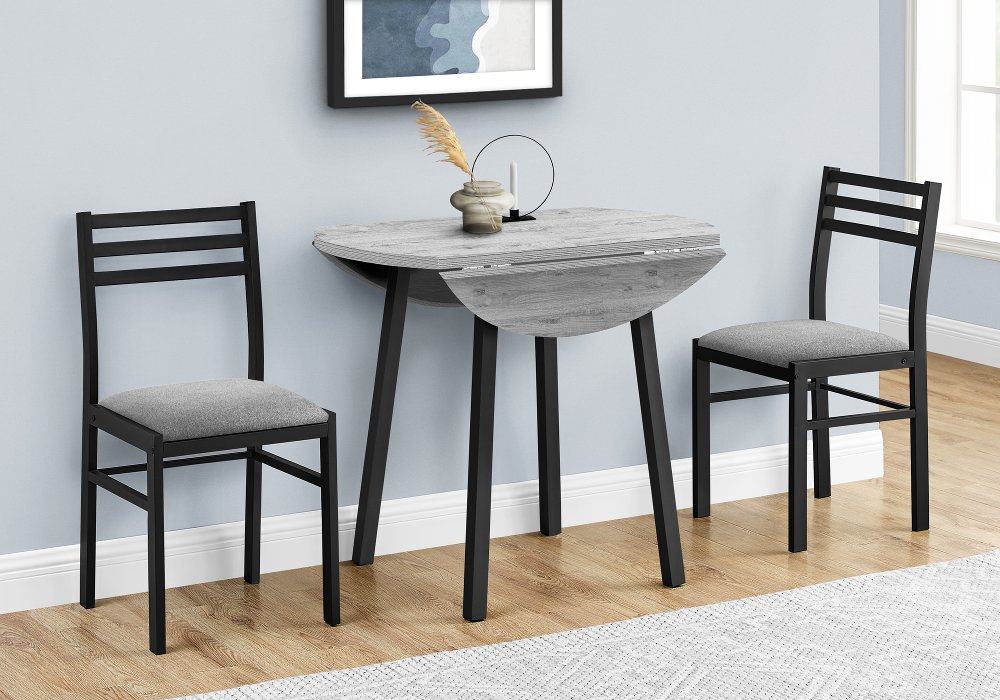
The fit of a narrow kitchen or dining table depends as much on what happens around it as on the tabletop itself. About 36 inches between the table edge and a wall or nearby furniture is a common starting point for pulling out chairs and sitting down; closer to 42 to 48 inches is helpful where people regularly walk behind occupied seats. These measurements deserve particular attention beside a kitchen island, near a refrigerator, or along the route to a patio door. Marking the table’s footprint on the floor with painter’s tape can make the dimensions easier to picture, especially with a chair pulled into its usual dining position. Rectangular tables make efficient use of elongated rooms, while narrow oval tables soften the corners along nearby walking paths. Rounded edges can also make a compact dining area feel less boxy, although the curved ends may provide less usable surface for place settings. The base changes the experience, too. A pedestal can eliminate corner legs and allow more flexible chair placement, but its footprint may still compete with feet beneath the table. Trestle bases bring a substantial look and can leave the corners open, though end supports and lower stretchers may limit where guests sit. Four-leg designs keep the center underneath relatively clear; the important measurement is the distance between the legs, not just the overall table length. Slim, armless chairs often tuck in more neatly than wide upholstered seats, and a backless bench can slide underneath when its dimensions clear the table’s supports. Standard dining tables are generally about 28 to 30 inches high, while counter-height tables are typically around 34 to 36 inches and require appropriately sized stools or chairs. Seat-to-apron clearance matters with either height. Drop leaves can reduce the footprint between meals, while extension leaves add surface for company, but the expanded table still needs adequate clearance. On particularly narrow tops, serving food from a nearby counter or sideboard keeps the middle open for drinks and lets everyone enjoy a full place setting without squeezing around serving bowls.
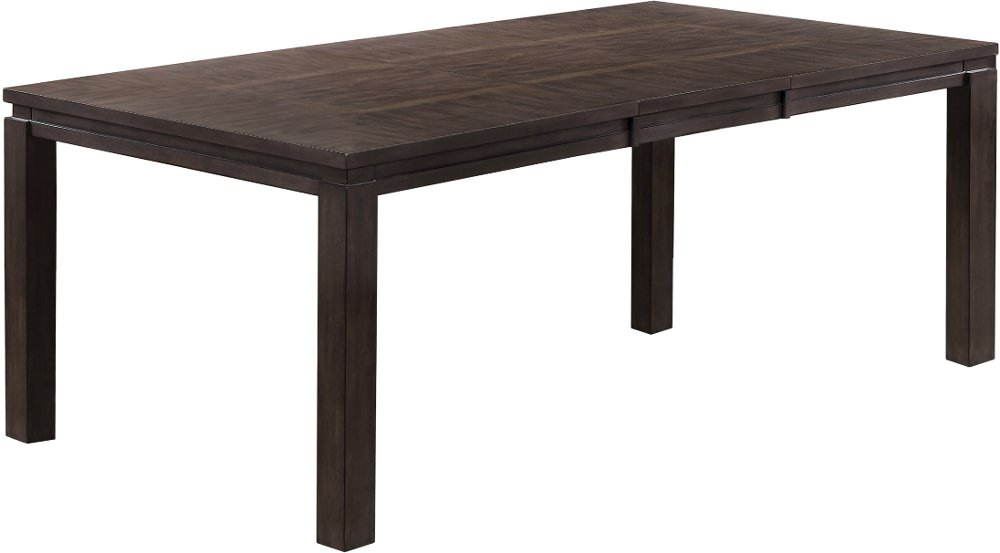
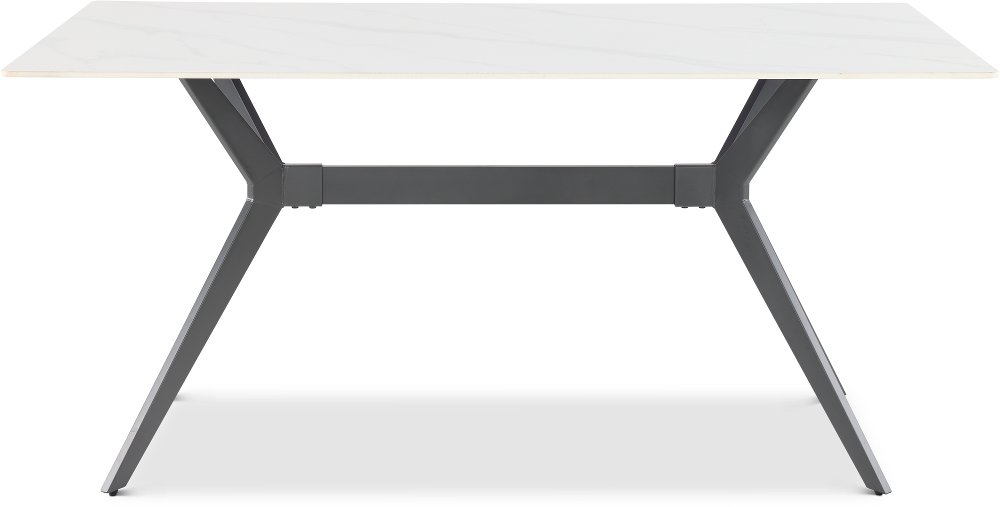
Materials and construction help determine how a narrow dining table looks, feels, and holds up to everyday use. Solid wood brings natural grain and character, with finishes ranging from pale and understated to deep and richly textured. It can develop small marks over time, and some solid wood surfaces can be refinished, depending on their construction and finish. Wood veneer offers a real-wood surface over a supporting core and can create a consistent appearance, though its thinner top layer requires care because deep sanding may damage it. Laminate surfaces are often practical for frequent meals and busy work sessions because they’re generally easy to wipe clean, but heat resistance and scratch resistance vary. Glass tops keep sightlines open in a compact room and let an interesting base show through; fingerprints, crumbs, and smudges may be more noticeable, and edges need protection from hard impacts. Metal bases can provide a clean-lined or industrial look, while stone tops add visual weight and distinctive pattern. Natural stone may need sealing, and both natural and engineered surfaces have material-specific care requirements. For any table, stable joinery, secure legs, and properly supported leaves matter more than a heavy appearance alone. A narrow table used daily should feel steady when someone cuts food, writes a note, or rests their forearms on the edge. Following the manufacturer’s care directions, wiping spills promptly, and using coasters and trivets help protect the surface. Placemats can reduce everyday wear, provided their backing is suitable for the finish. Style choices can stay just as practical: a light finish and slender legs create an airy impression, while darker wood and a substantial base give a slim table a stronger presence. A simple silhouette can sit comfortably beside existing cabinets, mixed dining chairs, or a favorite piece of wall art. Whether the table supports solo lunches, family dinners, or an evening with a few friends, its lasting value comes from a comfortable fit, dependable construction, and a surface that suits the way the space gets used.
Read More