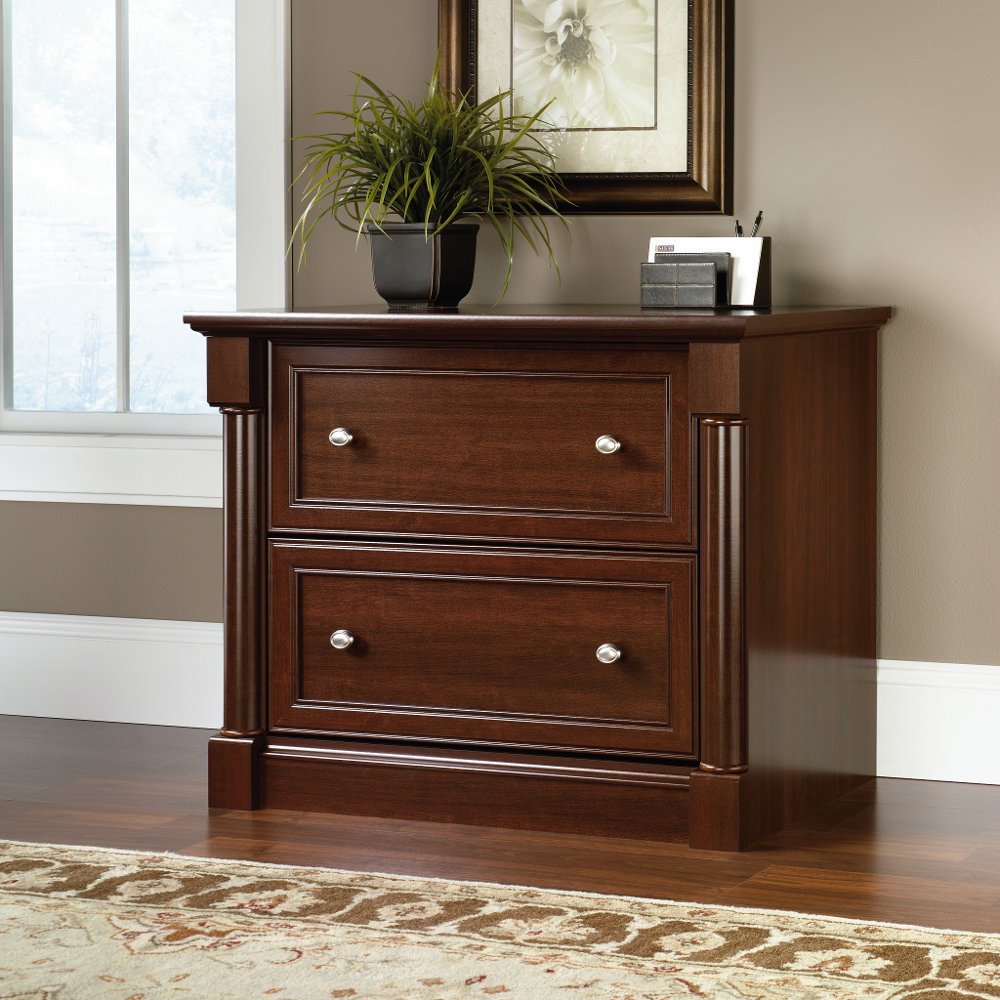
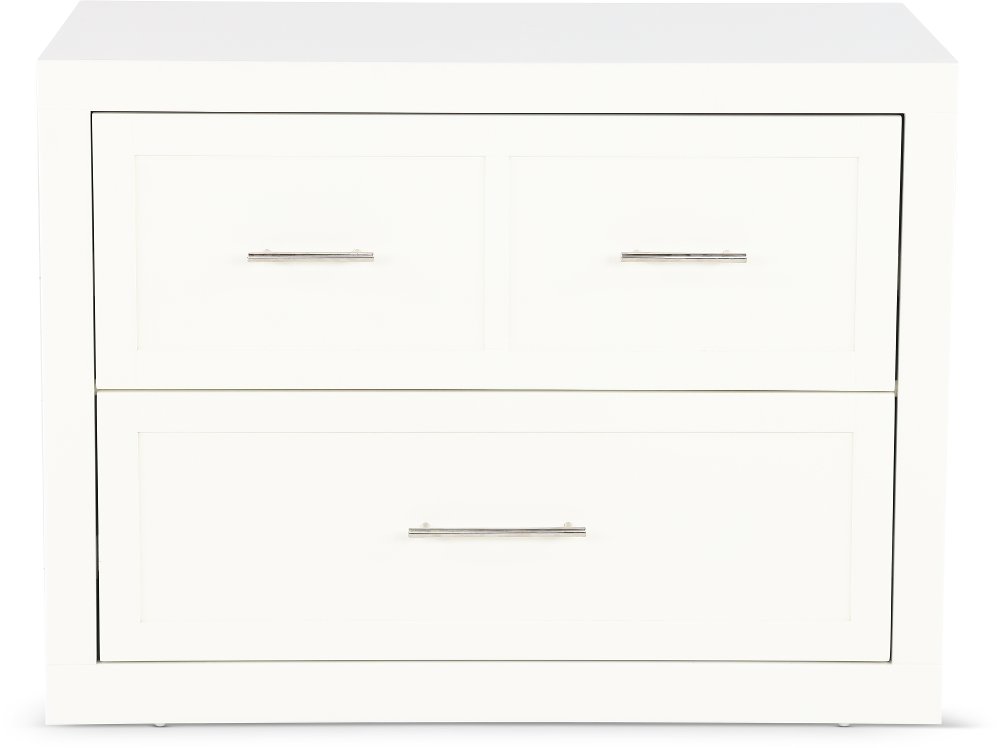
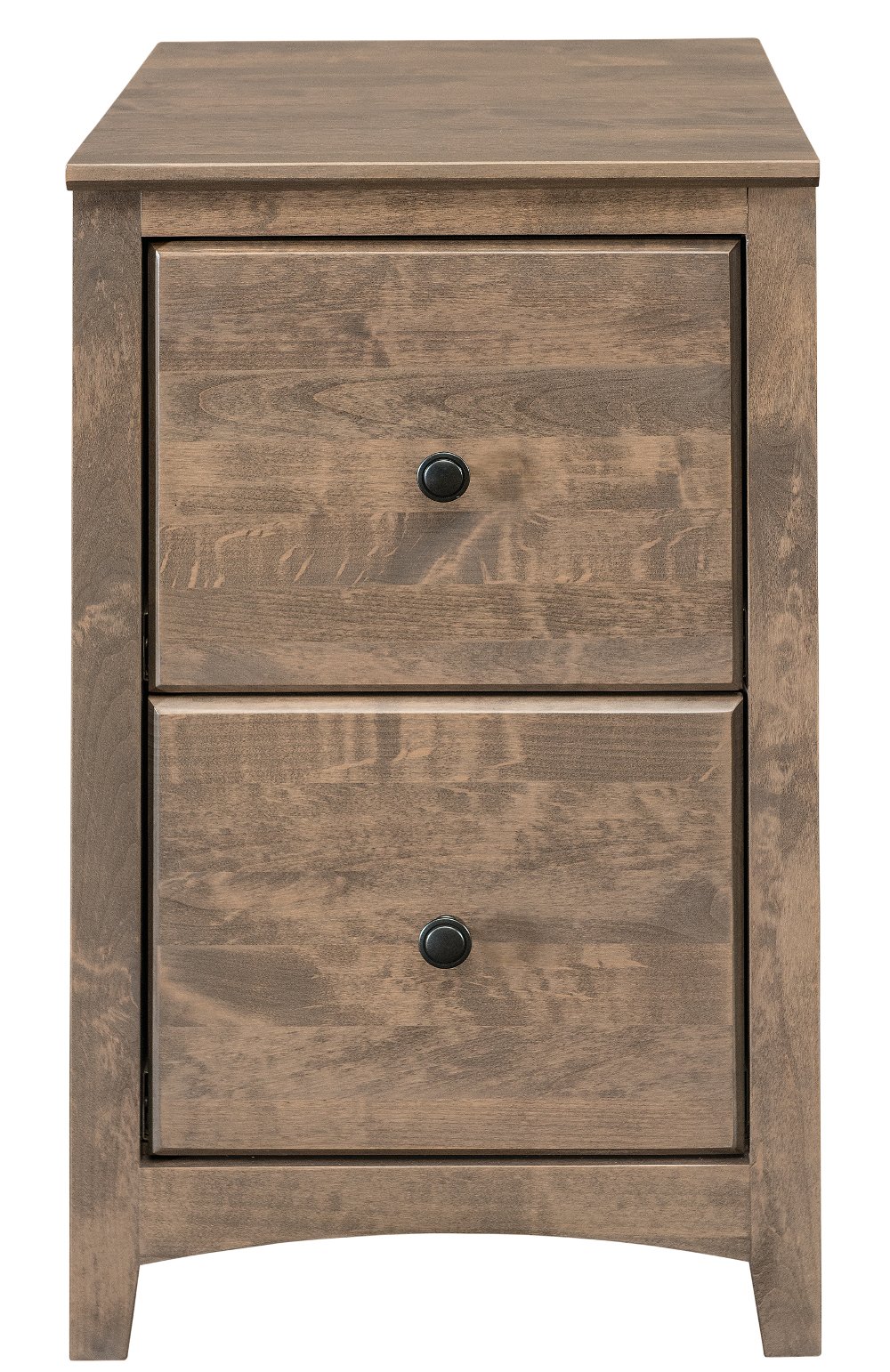
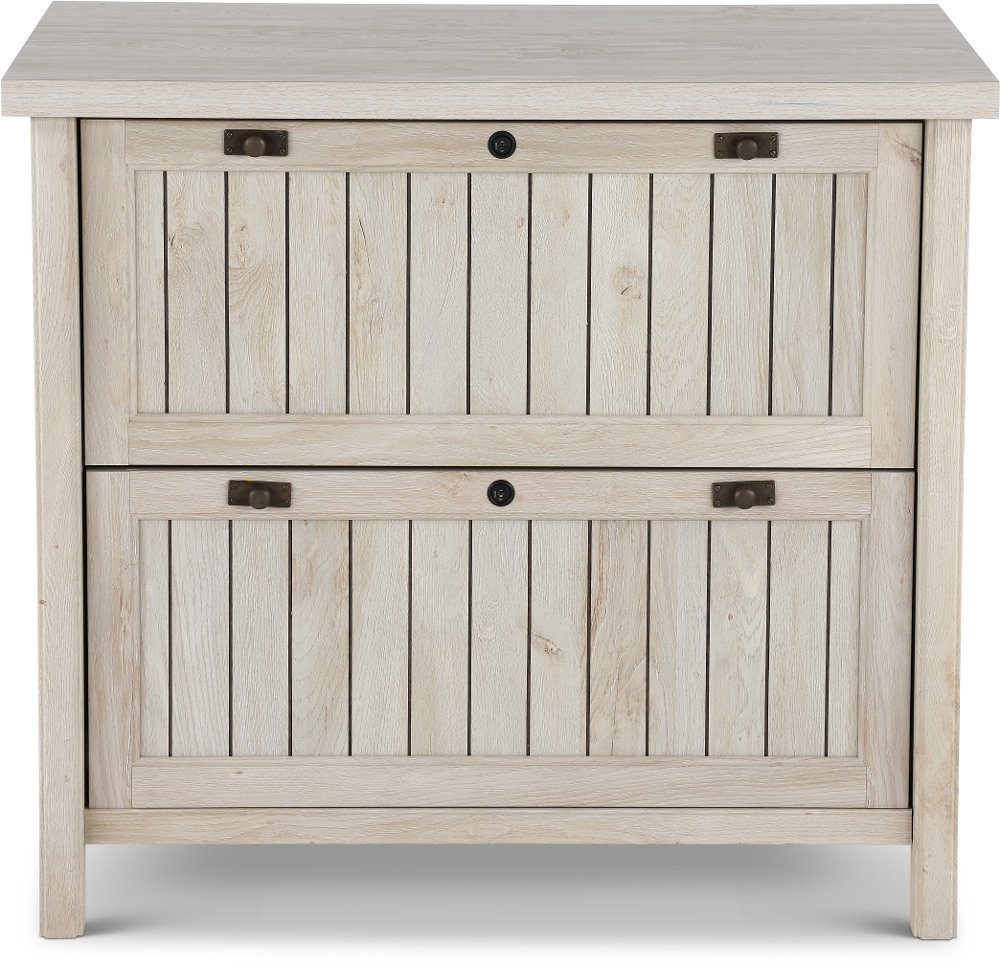
Quality file cabinets combine durable construction, smooth drawer operation, and practical storage that keeps important paperwork easy to find. Whether you’re organizing household records, managing a home business, or furnishing a shared office, the right cabinet gives every document a dependable place to land. A well-built file cabinet feels steady during everyday use, supports the weight of its contents, and allows drawers to open and close without catching or excessive wobbling. Steel file cabinets offer a straightforward, hardworking look and can stand up well to frequent handling, especially when their protective finish remains intact. Wood file cabinets bring the warmth of furniture into a workspace, making them a natural fit beside a traditional desk or in a room that doubles as a living area. Solid wood, wood veneer, and laminate each offer different benefits; construction quality, edge protection, and the finish matter as much as the material name. Veneer adds a real wood surface over a supporting core, while laminate can provide an easy-care surface suited to everyday office activity. Neither material alone determines how long a cabinet will last. Drawer joinery, reinforced components, secure hardware, and well-supported bottoms all contribute to dependable performance. Ball-bearing slides can help drawers move smoothly, and full-extension designs improve access to folders at the back. Actual load ratings matter, particularly when drawers will hold dense stacks of paper rather than a few lightweight supplies. A cabinet’s appearance deserves attention, too, especially when it sits in view throughout the day. Warm wood tones can soften a work area, dark finishes can complement substantial office furniture, and white file cabinets can coordinate easily with light desks and simple shelving. Handles, drawer fronts, and the cabinet’s overall proportions help it feel like part of the room rather than an afterthought. The strongest choice balances that visual fit with construction suited to the way you’ll actually use it.
File cabinet size and layout shape how comfortably your workspace functions. Vertical file cabinets generally provide deep, front-to-back storage within a narrower footprint, making them useful beside a desk or along a short section of wall. Lateral file cabinets use a wider profile and may support side-to-side filing, depending on the drawer configuration and included rails. Their lower, broader shape can work well along an office wall, although the top should hold equipment only when the manufacturer’s weight limits and use instructions permit it. A compact mobile file cabinet can keep daily paperwork close without committing an entire wall to storage. For an under-desk arrangement, the cabinet needs to fit beneath the desktop and any support rails while leaving comfortable room for your legs and chair. Casters add height, so the overall measurement matters more than the cabinet body alone. Locking casters help limit unwanted movement when the cabinet is in position. Drawer clearance is just as important as the closed dimensions: a cabinet that fits neatly beside a doorway may still interrupt traffic when fully open. Letter-size documents are common for household and office records, while legal-size files need a compatible drawer or an adjustable filing system designed to accommodate them. Some cabinets accept both sizes, but that flexibility depends on the interior dimensions and rail arrangement. Storage needs also vary beyond paper size. A dedicated file drawer keeps hanging folders upright, while smaller utility drawers can separate pens, stamps, chargers, and other supplies from important records. In a household workspace, that combination can give school forms, insurance papers, and appliance warranties distinct homes. In a business setting, separate drawers can organize client files or active projects. Room for future paperwork is useful, but an oversized cabinet can crowd a small office unnecessarily. A thoughtful fit leaves enough storage for your routine without sacrificing the space you need to work comfortably.
Long-term satisfaction comes from the details you notice after a cabinet becomes part of your daily routine. A drawer that opens smoothly when empty should also perform within its stated capacity once folders are loaded. Evenly distributed contents, properly seated hanging rails, and drawers that close completely help keep filing manageable. Lockable file cabinets add a layer of access control for personal records, business documents, or shared workspaces, but a standard drawer lock isn’t the same as a high-security safe. Fire resistance and water protection are separate features that require explicit manufacturer ratings; a metal exterior or locking mechanism alone doesn’t establish either. For sensitive paperwork, the cabinet’s security features should match the level of protection the documents need. Stability matters just as much as security. Loaded drawers shift weight forward when opened, so follow the manufacturer’s loading guidance, open one drawer at a time, and install any supplied anti-tip hardware as directed. Some cabinets include interlocking drawers that limit how many can open at once, but that feature doesn’t replace proper placement or anchoring instructions. A level surface helps drawers operate as intended, and heavier contents generally belong in lower drawers, consistent with the manufacturer’s directions. Routine care can stay simple. A soft cloth removes dust from drawer fronts and handles, while spills deserve prompt attention to help protect finishes and edges. Wood and veneer surfaces benefit from cleaners approved for their finish rather than harsh household chemicals. Laminate edges and seams also need protection from standing moisture. Steel cabinets should stay dry, especially around scratches where exposed metal may be vulnerable to corrosion. Drawer slides and locks need only the maintenance specified by the manufacturer; extra oil or spray can attract dust or affect nearby finishes. With suitable construction, sensible loading, and regular care, a quality file cabinet can remain a useful part of your workspace through changing projects and everyday paperwork, helping keep the documents you need close at hand.
Read More