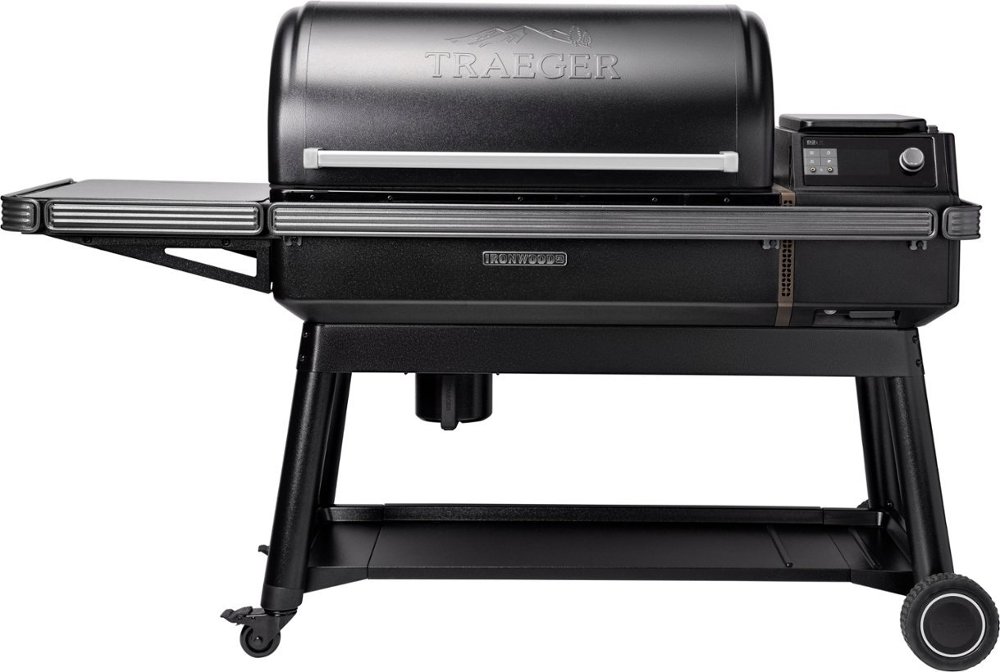
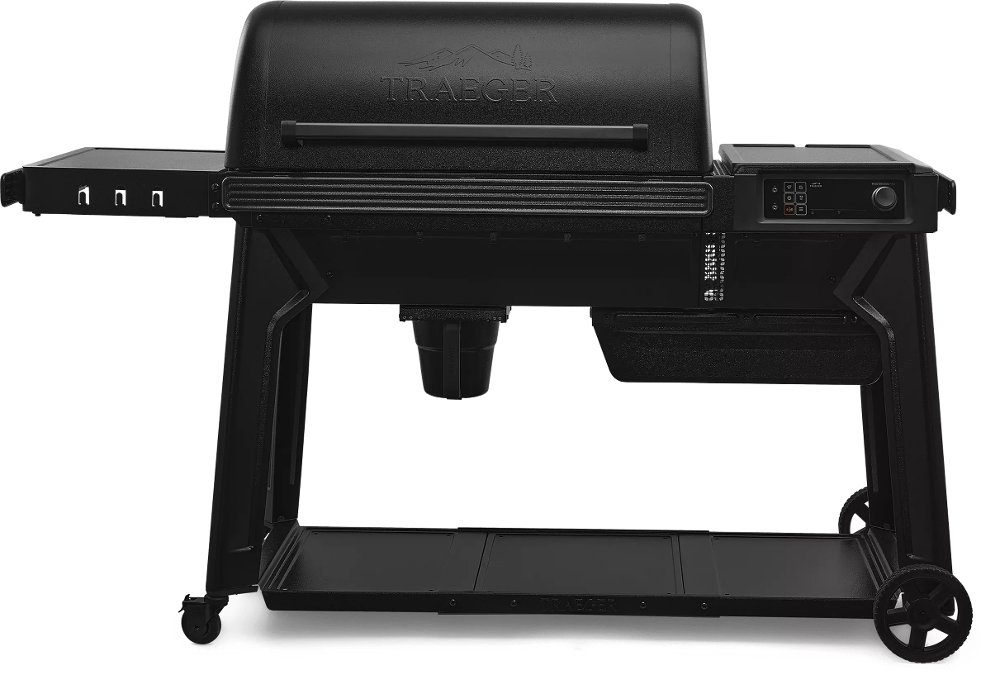
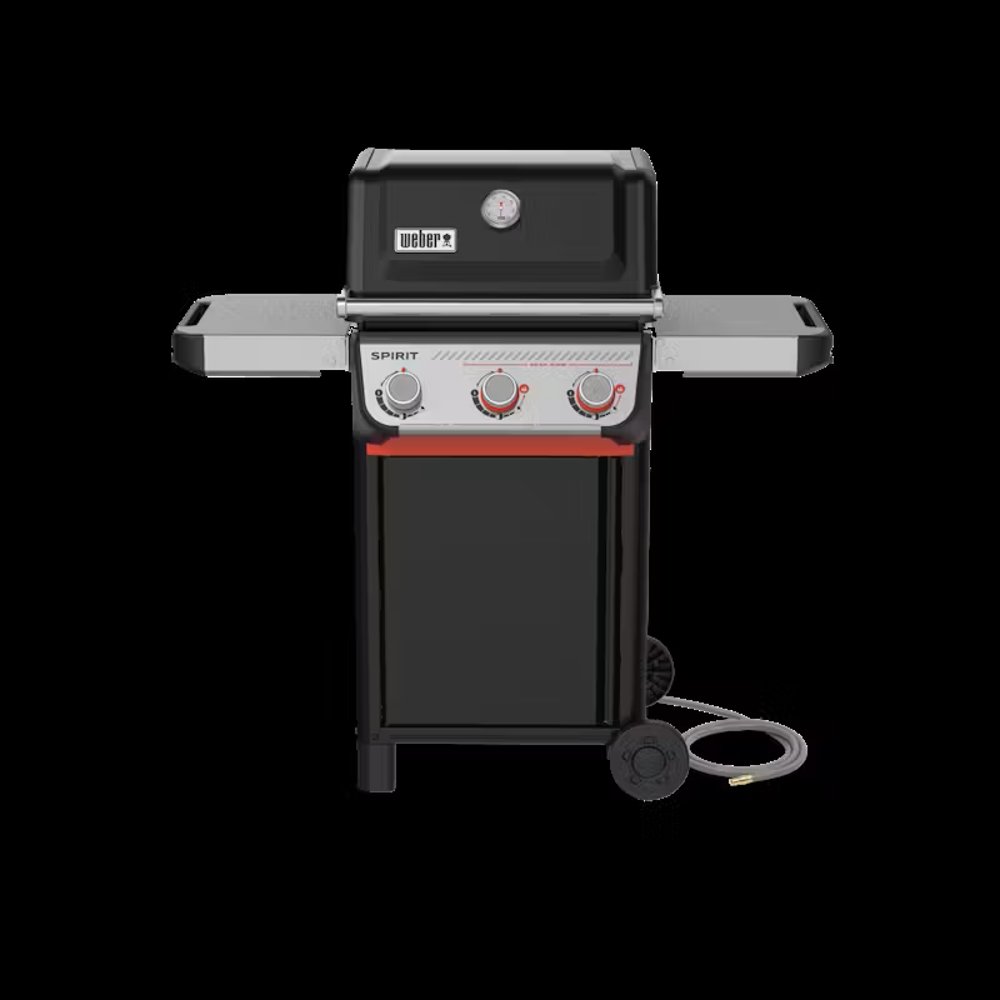
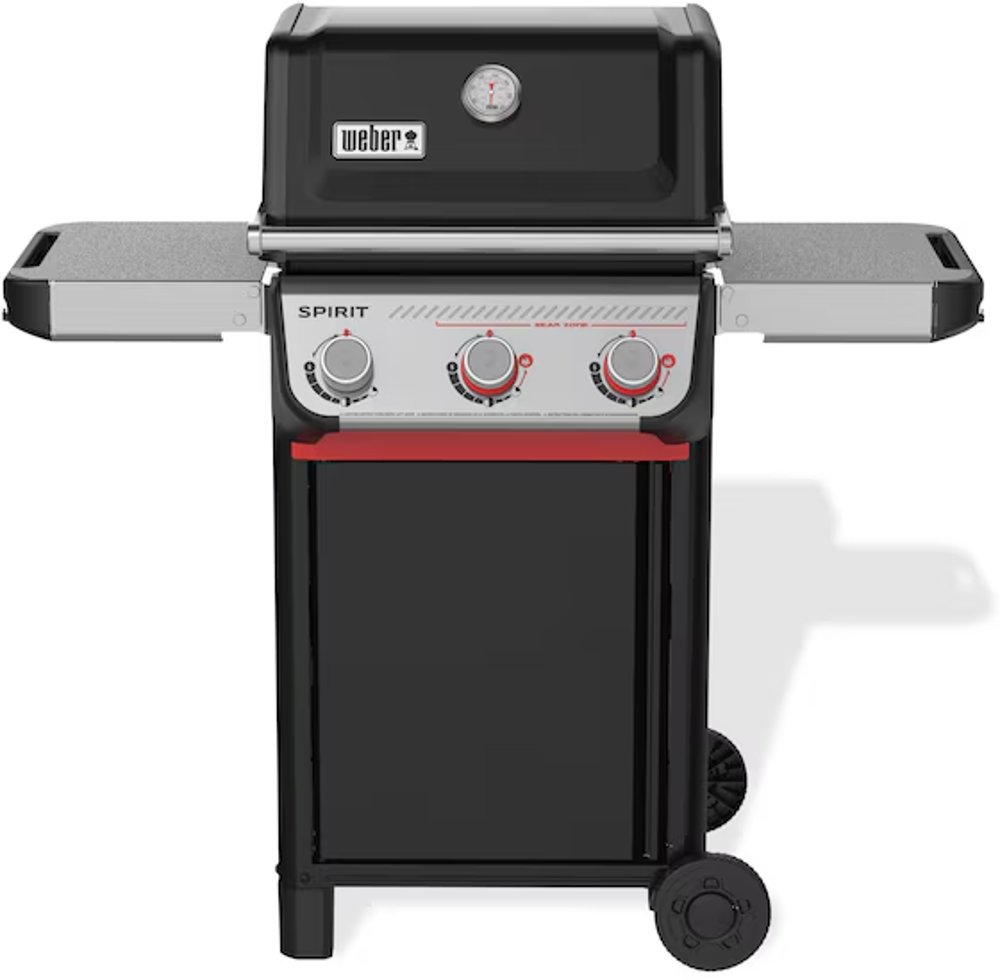
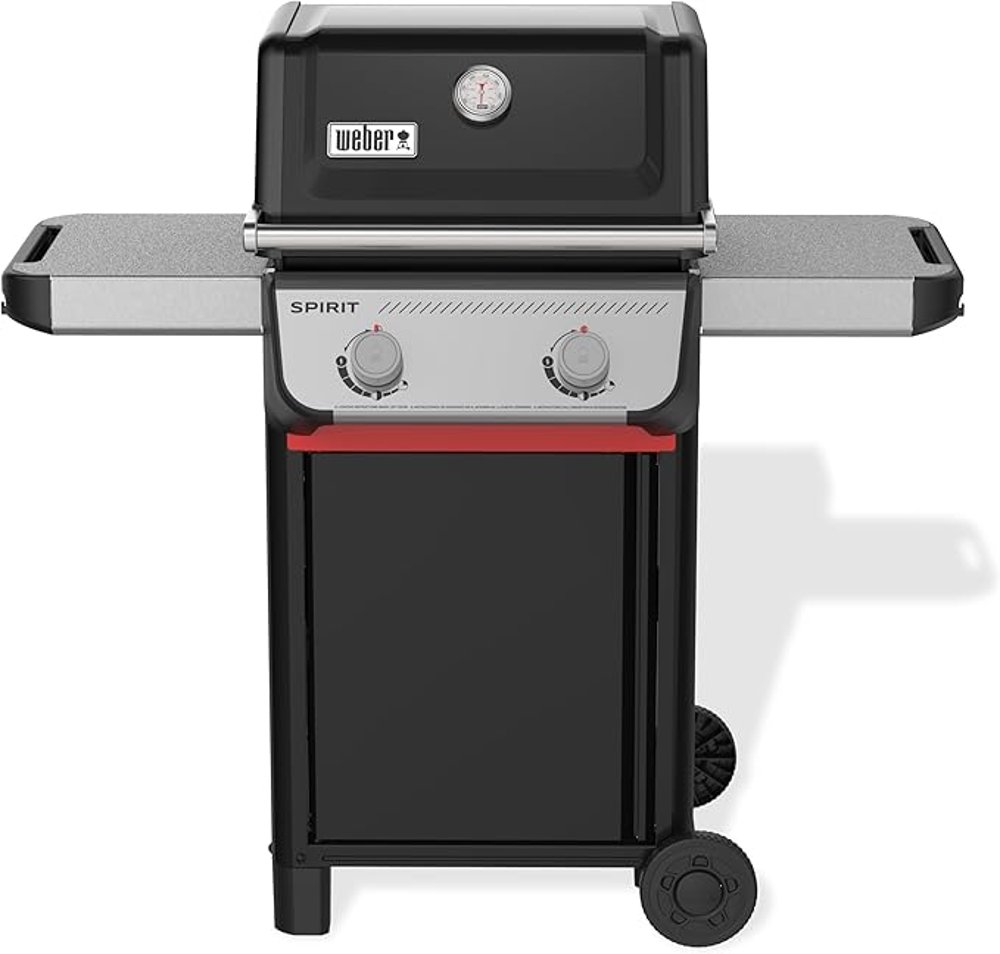
Roasting grills bring a special kind of cooking outdoors, combining the steady heat of a grill with the slow, even rotation of a rotisserie. Often called spit roasters or rotisserie grills, these setups are designed to hold food on a sturdy spit while a motor turns it gradually over charcoal, gas, or another outdoor heat source. As the food rotates, its juices move across the surface, helping create tender interiors, browned edges, and the rich roasted flavor that makes a shared meal feel memorable. A roasting grill can be a practical choice for preparing whole poultry, large roasts, pork shoulders, beef cuts, or other substantial foods for family dinners and gatherings. Some models are made for smaller meals and everyday use, while larger freestanding units can accommodate heavier loads for backyard celebrations, neighborhood cookouts, and special occasions. When you browse roasting grills, consider the meals you usually prepare, the number of people you serve, and the space available on your patio or outdoor cooking area. A compact setup may suit a couple or a small household, while a larger spit roaster gives an enthusiastic host room to prepare generous portions for a crowd. During the cooler months, the sight and aroma of a roast turning over glowing coals can make an outdoor gathering feel warm and inviting, especially when the cooking becomes part of the occasion rather than something hidden away in the kitchen.
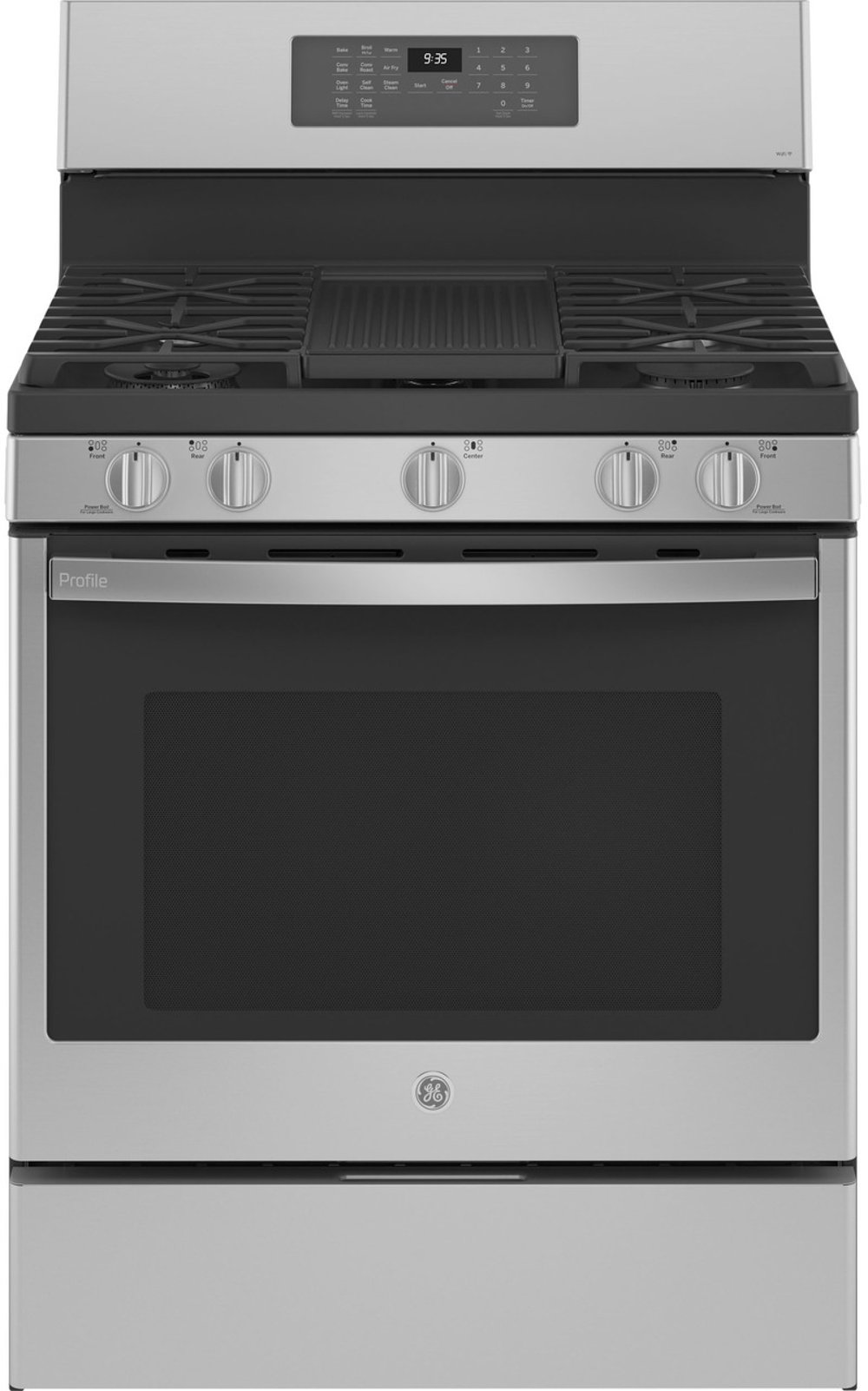
A few construction and performance details can make a meaningful difference in how comfortably you use a roasting grill. Start with the cooking capacity and weight rating, then compare those measurements with the foods you plan to roast. A smaller poultry roast may need only modest support, while a large turkey, multiple chickens, or a whole-animal preparation requires a longer spit, strong forks, and a frame built to handle the load securely. Motor strength matters, too. A motor in the approximate 25- to 38-watt range is commonly suited to rotating substantial food smoothly, although the right choice depends on the spit assembly, balance of the load, and manufacturer’s stated capacity. The food should rotate steadily without tilting, dragging, or stopping, so look for a dependable motor and hardware that feels solid in your hands. Adjustable height settings give you better control over the cooking process by letting you position the food closer to or farther from the heat. That flexibility is especially useful when a roast needs time to cook through without over-browning its exterior. A hood or wind protection can help maintain more consistent heat, while durable metal construction, heat-resistant handles, removable components, and easy-to-clean surfaces make the experience more convenient from preparation through cleanup. Check the available footprint before ordering, including room for the spit to extend beyond the cooking body and clearance from walls, railings, overhead coverings, and other outdoor furnishings. If you prefer a more traditional setup, a grill with a rotisserie attachment may fit naturally into an existing outdoor kitchen. For a straightforward roasting surface or a complementary indoor cooking option, explore Stove Grills alongside outdoor roasting equipment.
Roasting grills are a natural fit for home cooks who enjoy feeding people, experimenting with slow cooking, or turning a familiar recipe into a centerpiece. They can be especially useful for someone who hosts during the cooler seasons, when hearty meals and lingering conversations often go hand in hand. A roasting grill also makes a thoughtful gift for a new homeowner, an outdoor cooking enthusiast, or the friend who always volunteers to prepare the main dish. Before cooking, allow frozen food to thaw completely, secure it evenly on the spit, and balance the weight so the motor can rotate it without unnecessary strain. Tie loose portions of poultry or meat with heat-safe kitchen twine, keep the food centered, and use a drip pan when the design allows. Starting with a moderate heat level gives larger cuts time to cook evenly, while occasional temperature checks help you avoid relying on appearance alone. A reliable meat thermometer is a valuable companion because safe serving temperatures depend on the type and size of the food. Keep a clear area around the grill, use long-handled tools, and follow the care instructions for the motor, spit, grates, and fuel system. After the meal, let the equipment cool fully before cleaning away grease and food residue; regular maintenance helps preserve performance and keeps the next cookout simpler. Whether you are preparing a golden bird for a family table, slowly roasting a seasoned cut of beef, or serving generous portions at an outdoor gathering, the right roasting grill gives you a practical way to create tender food, welcoming aromas, and the kind of meal people remember long after the last serving is gone.
Read More