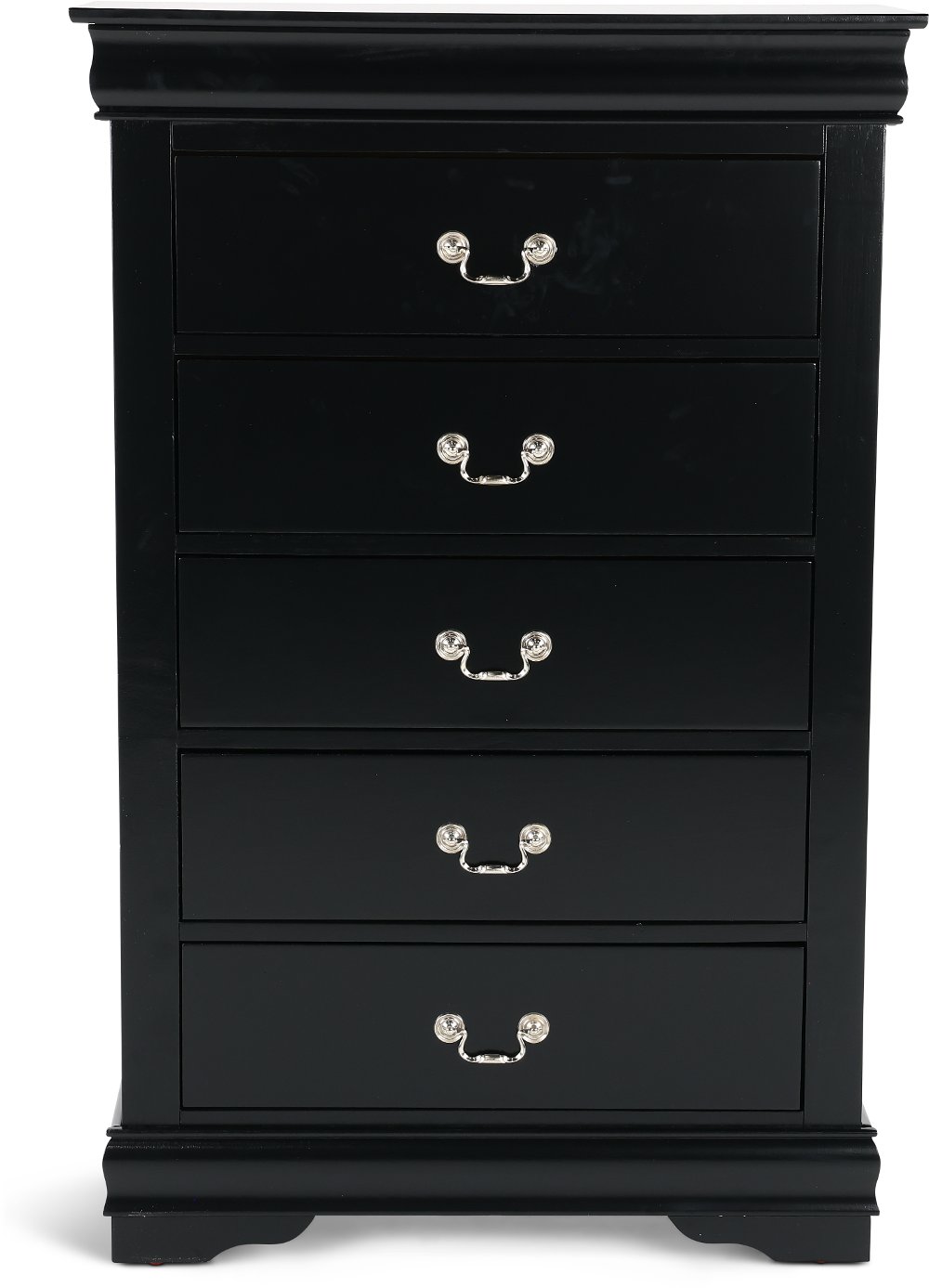
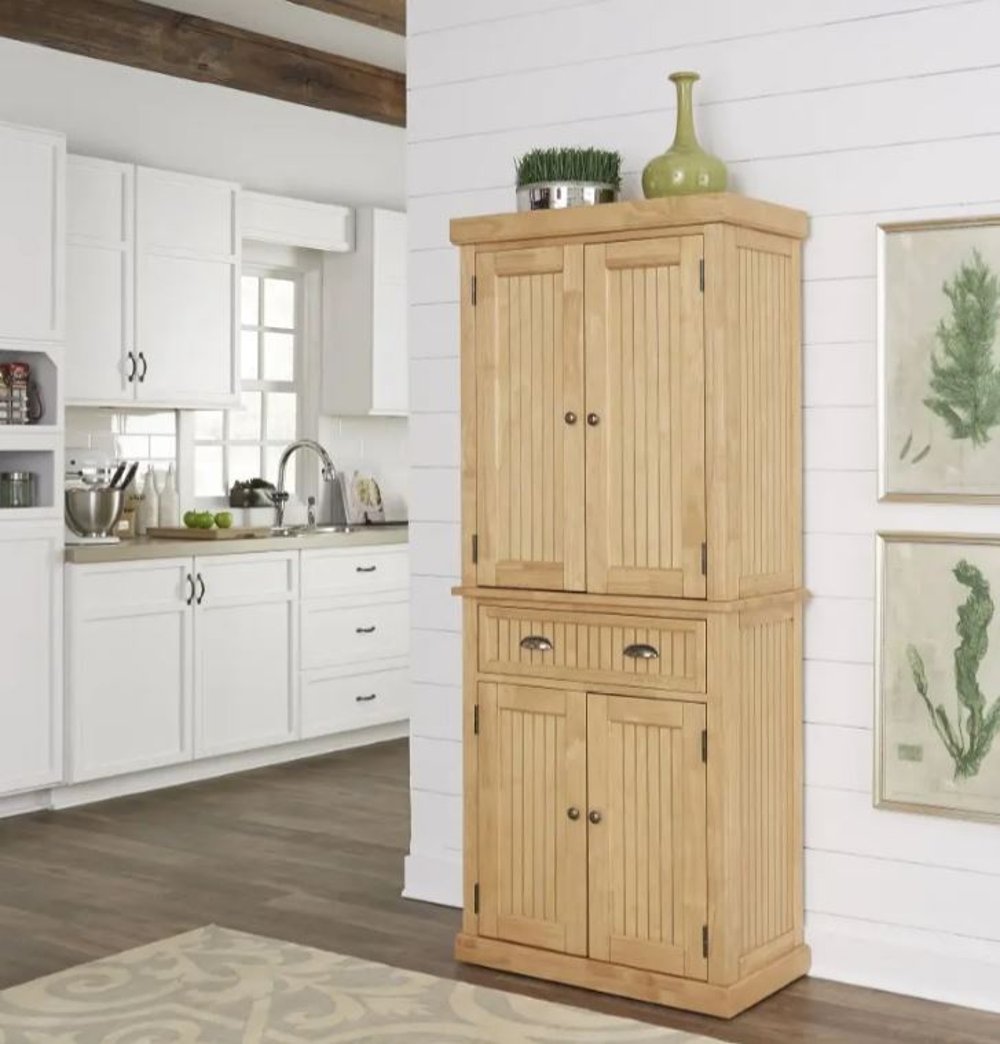
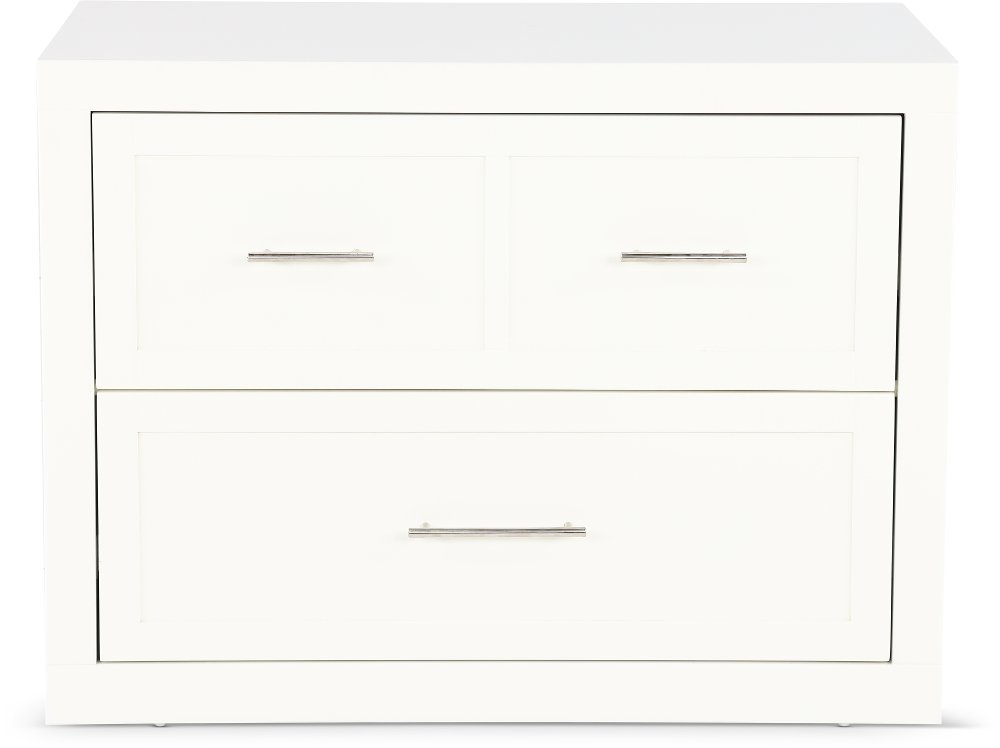
Interior drawers, sometimes called internal drawers or hidden inner drawers, add useful storage behind a cabinet door or a tall exterior drawer front. Instead of placing every item in view, this arrangement creates a second layer of organization inside the cabinet while keeping the room’s exterior lines clean and uncomplicated. A shallow interior drawer can hold cutlery, cooking utensils, measuring tools, or small serving pieces, while a deeper drawer can organize pantry staples, cookware, linens, or other household essentials. The result is a practical balance between accessibility and a streamlined appearance: everyday clutter stays tucked away, and the full height of a cabinet becomes easier to use. If you’re comparing this style with more traditional storage, explore our selection of Drawer Cabinets for additional ways to arrange belongings throughout your home.
Interior drawers work especially well in kitchens where storage needs to do several jobs at once. A shallow drawer positioned above a deeper compartment can separate flatware from pots and pans, keeping smaller pieces from disappearing beneath heavier items. In a pantry, stacked inner drawers can group breakfast foods, baking supplies, snacks, and packaged ingredients so each category has a defined place. Pulling one drawer forward gives you a clearer view than reaching into the back of a deep shelf, which can make it easier to use what you already have and keep an inventory of household staples. They can also be useful in a closet or wardrobe for socks, folded accessories, ties, scarves, belts, and jewelry. Families often appreciate this layered storage because children can reach assigned items without disturbing the rest of a cabinet, while adults can keep delicate or less frequently used belongings protected behind a closed front. During the cooler months, interior drawers can help keep seasonal accessories, extra table linens, and entertaining supplies together without adding visual busyness to a room. They’re also a thoughtful choice for someone settling into a new home, refreshing a kitchen, or creating a more orderly dressing area, although the best fit depends on the person’s space, habits, and storage goals.
Before choosing interior drawers, consider how the cabinet will be used every day and how much room remains when the drawer is fully open. Hidden storage preserves a neat exterior, but it does add an extra step: you’ll open the main door or outer drawer first, then access the inner drawer. That arrangement is ideal for items used regularly but not constantly, such as baking tools, serving pieces, pantry ingredients, or wardrobe accessories. For something reached several times during meal preparation, a directly accessible drawer may feel more convenient. Measure the available width, depth, and height carefully, including door swings, hinges, handles, shelves, and nearby appliances. Pay attention to the drawer’s intended load as well; lightweight organizers suit utensils and accessories, while cookware and larger pantry containers need sturdy construction and smooth-running hardware. Full-extension movement can make items at the back easier to see, and soft-close features can help protect contents from shifting when the drawer closes. A retrofit installation may work well when the cabinet has enough clear space and a compatible structure, while new cabinetry offers more freedom to plan drawer heights, spacing, and placement from the beginning. Think through the order of use as you organize: place the items you reach for most often toward the front, group related pieces together, and leave enough clearance for handles and hands. A well-planned interior drawer should make a familiar routine feel calmer, whether that means finding a favorite utensil before breakfast, gathering snacks for the household, or putting away everyday accessories at the end of the day.
Read More