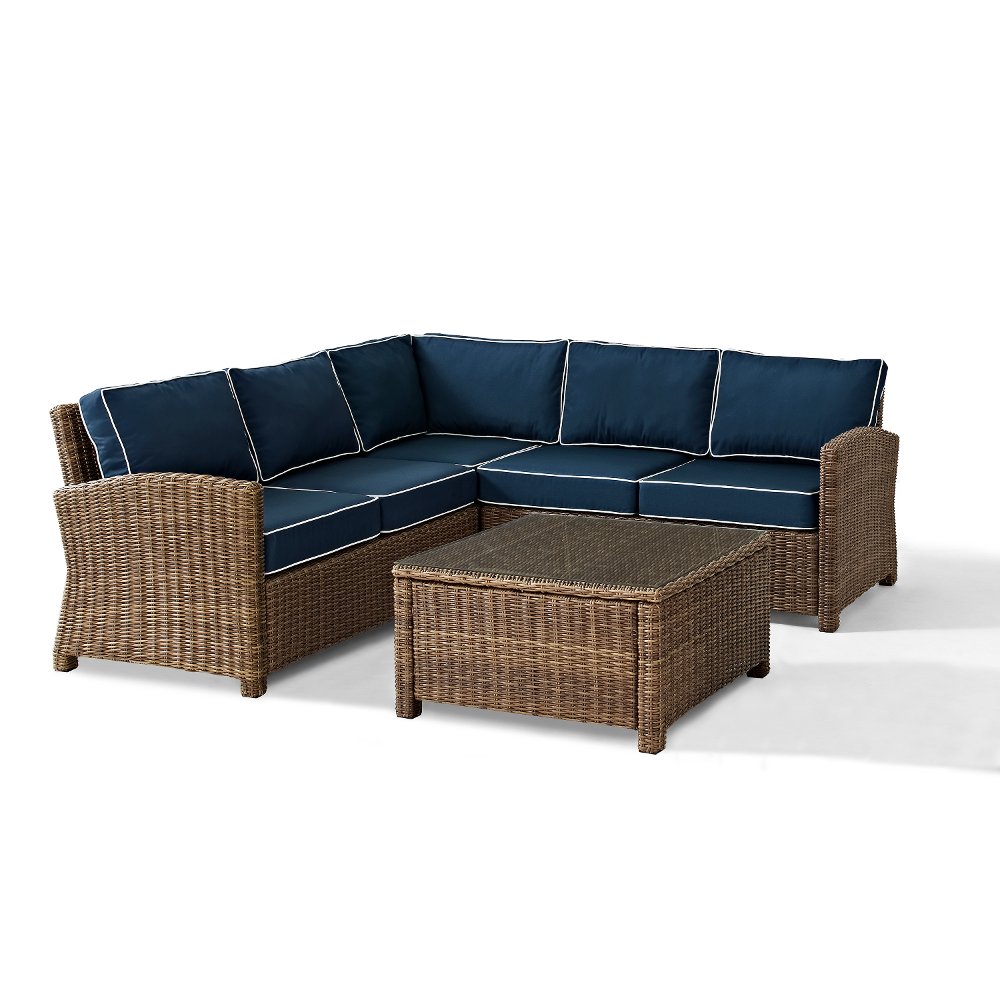
Wicker seating brings woven texture and an easygoing feel to a room, porch, or patio. The word wicker describes a weaving technique rather than a single material, so a wicker chair may feature natural rattan, other plant fibers, or synthetic resin woven over a supporting frame. Rattan is a natural climbing palm valued for its flexibility and strength; polyethylene, often called PE wicker, is a synthetic material commonly used for outdoor seating. That distinction matters because two chairs with a similar appearance can have different care needs and intended uses. Natural wicker generally belongs indoors or in a protected setting approved by the manufacturer, while outdoor-rated resin wicker is designed to tolerate exposure better. Neither the woven appearance nor the word wicker alone establishes whether a piece is suitable for outdoor use. Indoors, a wicker accent chair can soften a room filled with smooth wood, glass, or metal surfaces without adding another bulky upholstered piece. An open weave lets the background show through, which can help a small sitting area feel less crowded. A tighter weave creates a more substantial look, while braided edges and rounded arms add detail that feels comfortable alongside linen curtains, a simple bookcase, or a favorite reading lamp. Natural-looking finishes work easily with coastal, cottage, and relaxed contemporary spaces, but darker finishes can bring the same texture to a more tailored room. The color and shape of the frame, along with the cushion fabric, often influence the overall style as much as the weave itself. Wicker seating also works beyond a matching furniture set: a single chair beside a bedroom window, a pair facing a living room sofa, or a woven bench in a generous entryway can give an unused corner a clear purpose. For someone furnishing a first home or refreshing a familiar room, that combination of texture and practical seating offers plenty of flexibility.
The right type of wicker seating depends on what you want to do once you sit down. Wicker dining chairs typically support a more upright posture and need to fit comfortably beneath the table, including enough clearance for any arms. Lounge chairs usually have deeper seats and more relaxed backs, making them better suited to conversation, reading, or stretching out with an ottoman. A wicker loveseat provides a shared place to settle in without the footprint of a full sofa, while a wider sectional can define a gathering area where family and friends have room to spread out. Rocking and swivel designs add movement, but they also need clearance around the base so they can operate freely. Before choosing a shape, compare the furniture’s full dimensions with the space it will occupy, not just the width of the seat. Curved arms, angled backs, and extended legs can take up more room than they appear to in a photo. A chair tucked beside a sofa should leave a comfortable walking path; seating near a doorway needs enough space for the door to open without hitting the frame. Seat height and depth deserve equal attention. A deep cushion can feel inviting for someone who likes to curl up, but a shallower seat may offer better support for a person who prefers to keep both feet on the floor. Firm cushions, supportive backs, and stable armrests can make getting seated and standing up more comfortable. Check the stated weight capacity rather than judging strength by appearance, especially when seating will serve guests with different needs. Cushions also affect everyday use: removable covers simplify cleanup, ties or other fasteners help keep cushions positioned, and replaceable inserts can extend the useful life of a favorite chair. In homes with children or pets, closely woven surfaces and fewer projecting decorative details may be more practical than an intricate, open pattern that invites snagging.
Durability comes from the complete construction, not simply the outer weave. A well-supported seat, secure joints, evenly tensioned strands, and a frame suited to the intended location all contribute to how wicker seating performs over time. Aluminum frames are often relatively lightweight and resist rust, while steel frames can provide substantial support but need intact protective finishes to help guard against corrosion. Natural wicker needs protection from prolonged dampness and harsh exposure, which can weaken fibers or damage finishes. For patios and other outdoor spaces, look for manufacturer details about UV resistance, outdoor-rated construction, and cushion care. Resin wicker can handle outdoor use better than natural fibers, but its quality varies, and prolonged exposure can still cause fading or deterioration. Cushion performance is a separate consideration: a water-resistant cover doesn't necessarily mean the cushion beneath it can remain wet without consequences. Breathable storage, prompt drying, and suitable furniture covers help protect seating when it isn't in use. If you're coordinating chairs with a dining table, sofa, or occasional tables, wicker patio furniture can help establish a consistent woven look across an outdoor seating area. Matching every piece isn't essential; similar finishes, compatible seat heights, and repeating cushion colors can bring different shapes together. Routine care is usually straightforward, though the manufacturer's instructions should always take priority. A soft brush or vacuum brush attachment lifts dust and crumbs from the weave before they settle into narrow gaps. Many resin surfaces can be cleaned with mild soap and water, followed by rinsing and thorough drying, while natural wicker generally calls for gentler cleaning with minimal moisture. Avoid abrasive tools, strong cleaners, and pressure washing unless the manufacturer specifically allows them, since these can damage strands or finishes. Periodically check for loose fasteners, broken fibers, and rough edges, and address small problems before they affect comfort or stability. With materials matched to the setting and a little regular attention, wicker chairs, benches, and sofas can provide a welcoming place for everything from a quiet cup of coffee to a full table of conversation.
Read More