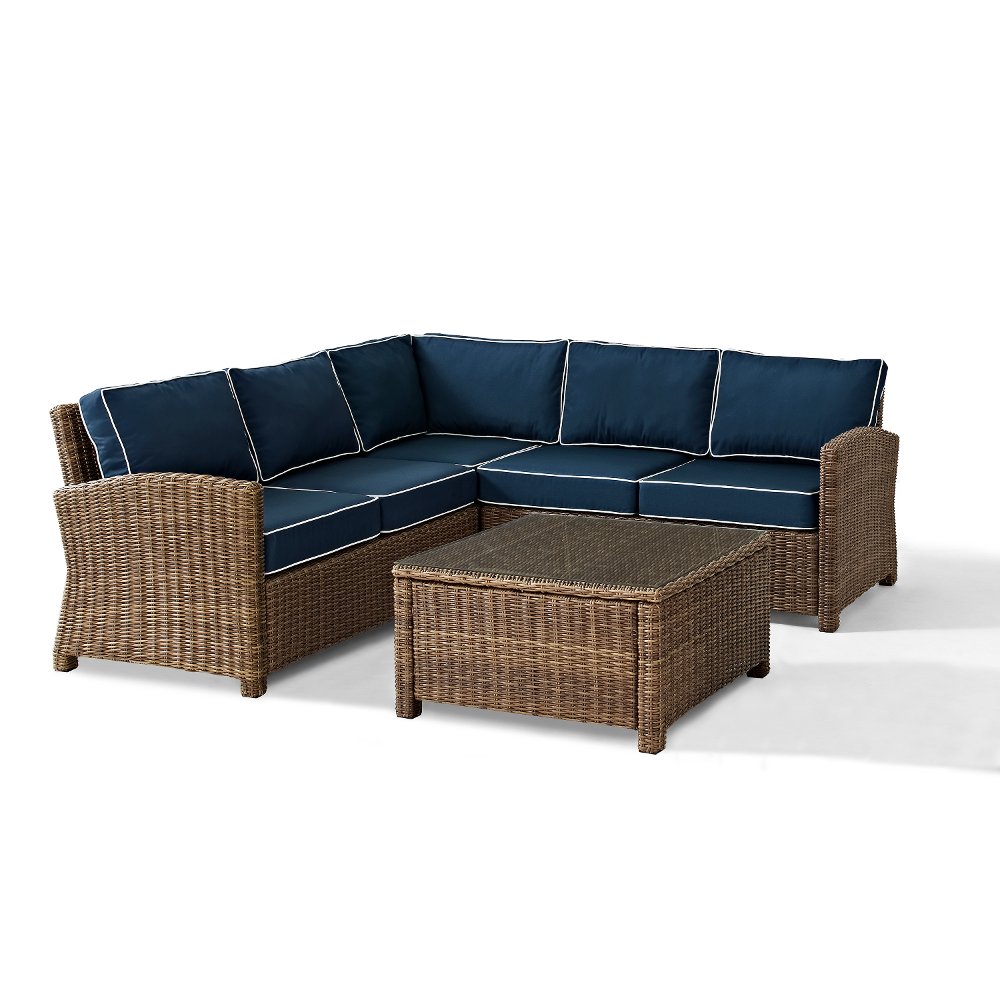
A wicker bench brings useful seating and woven texture into the same piece, giving an entryway, bedroom, or sitting area a comfortable, lived-in feel. The appeal starts with the weave: crossing strands create depth and small variations in the surface, softening the look of straight walls, smooth floors, and solid wood furniture. Depending on its shape and finish, a woven bench can feel relaxed and coastal, clean and contemporary, or right at home among traditional pieces. A pale natural finish pairs easily with linen upholstery and light wood, while a darker finish adds contrast against neutral walls. The silhouette matters just as much as the color. A backless bench keeps sightlines open and can sit neatly beneath a window without visually filling the wall. A bench with a back and arms creates a more defined place to settle in, whether that means reading a few pages or chatting while someone gets ready to leave. In an entry, wicker benches offer a practical spot to tie shoes or set a handbag while finding keys. At the foot of a bed, they provide a place to sit while dressing and help anchor the room without the bulk of another upholstered piece. A bench in a spacious hallway can turn an otherwise unused stretch of wall into an intentional seating area, especially with artwork above it. For a larger arrangement, coordinating Wicker Seating can carry the woven detail across nearby seats without requiring every piece to match exactly. Repeating a similar finish or cushion color usually creates enough connection. The best choice is one that suits the way the space actually gets used: a quick stopping place near the door calls for different support and proportions than a bench where guests might linger over conversation.
Understanding the materials helps you choose a wicker bench that fits that daily routine. Wicker describes a weaving technique rather than a single material, so two benches with a similar appearance can have different care requirements and intended uses. Natural wicker may use rattan, willow, or other plant fibers, while synthetic wicker typically uses resin strands designed to resemble those materials. Natural fibers offer distinctive texture and subtle variations that work especially well indoors. Synthetic wicker may be suitable for outdoor spaces, but that depends on the construction and the manufacturer’s stated use; a woven appearance alone doesn’t establish outdoor durability. For a porch or patio, look for a bench explicitly rated for outdoor use, and check the frame, finish, hardware, and cushions along with the weave. Resistance to moisture and UV exposure varies, and an outdoor-rated seat still benefits from appropriate protection and care. Beneath the woven surface, the frame provides the structure. Wood, steel, and aluminum each bring different characteristics, with overall performance depending on material quality, joinery, protective finishes, and maintenance. Aluminum is generally lighter and resists rust, while steel can provide substantial support but needs an intact protective finish to help prevent corrosion. A wood frame’s care needs depend on the species and finish. Pay attention to the details that make everyday seating feel dependable: an evenly tensioned weave, securely finished edges, stable legs, and firm connections between the seat, back, and arms. Check the stated weight capacity and intended number of occupants rather than estimating strength from appearance. Cushions also change the experience considerably. A firm seat cushion can make a woven surface more comfortable for extended sitting, while ties or another attachment method help it stay in place. Removable covers can simplify maintenance when their care instructions allow cleaning, but removable doesn’t automatically mean machine washable. For households with children or pets, accessible seams, practical fabric care, and a weave without sharp or loose ends deserve particular attention.
Getting the fit right makes a wicker bench feel like part of the room rather than an obstacle to move around. Start with the full outside dimensions, including any curved arms or angled back, and mark the footprint on the floor before choosing a size. In a busy entryway, leave enough room for doors to swing and for someone to walk past while another person sits to put on shoes. At the end of a bed, consider the remaining path to a dresser or closet, not just how the bench looks against the bed frame. If it will sit beneath a window, compare the back height with the sill and check that curtains can hang freely. Seat height and depth matter for comfort, too. A lower, deeper bench encourages lounging, while a more upright seat can be easier for dressing or brief visits. Someone who appreciates extra support may prefer arms and a supportive back, though a lightweight decorative bench shouldn’t serve as a mobility aid. If a bench will accompany a dining table, verify the seat-to-table clearance with the cushion in place and make sure the arms fit where needed. Storage deserves a closer look when it’s part of the design: check the usable interior dimensions, how the lid opens, and whether stored belongings need protection from dust or moisture. Once the bench is in place, simple, consistent care helps preserve its texture and finish. Use a soft brush or a vacuum’s brush attachment to lift dust from the weave, following the manufacturer’s recommendations. Wipe spills promptly, avoid soaking natural fibers, and let any damp-cleaned surface dry fully before replacing cushions. Harsh cleaners and abrasive tools can damage strands or finishes, so use only approved cleaning methods. Check connections periodically and address loose weaving before it catches on clothing. Lift the bench when moving it rather than dragging its legs, and use suitable floor protectors indoors. With proportions that suit the room and materials that suit the setting, a wicker bench adds more than texture: it creates a useful place to pause, get ready, and make everyday routines a little easier.
Read More